
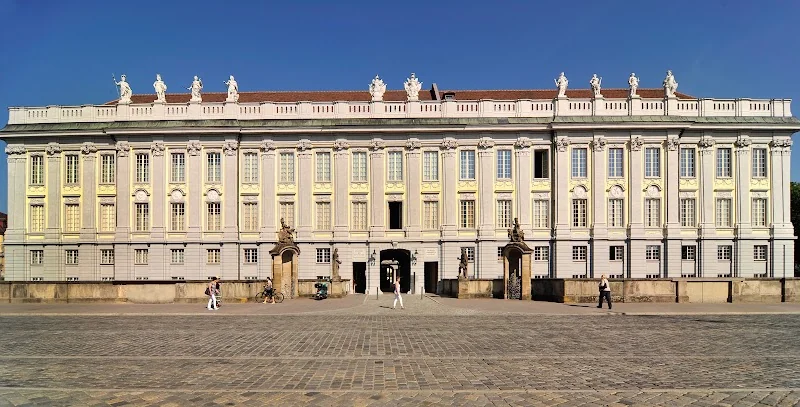
Ansbach
Promenade 27, 91522 Ansbach, Deutschland
Residenz Ansbach | Parking & Tickets
The Residenz Ansbach is one of the most impressive historical residences in Franconia and is much more than just a beautiful castle. Evolving from a medieval complex, it transformed into a modern residence between 1705 and 1730, and the interior design we see today was primarily created between 1734 and 1745 under the artistic direction of Leopoldo Retti. The fact that the last Margrave of Brandenburg-Ansbach abdicated in 1791 made the later condition unusually valuable: the rooms were hardly modernized afterward, allowing an astonishingly uniform baroque sequence of rooms to be preserved to this day. Walking through the splendid rooms, one not only experiences art history but also a very direct encounter with courtly representation, power display, and the everyday world of the 18th century. The address Promenade 27 is centrally located in Ansbach, and access by bus to Schlossplatz is officially provided. ([schloesser.bayern.de](https://www.schloesser.bayern.de/deutsch/schloss/objekte/ansbach.htm))
Especially exciting is that the residence will offer a special exhibition on the festival hall in 2026, providing additional insights into restoration and spatial art. The exhibition runs from July 1 to October 4, 2026, is open daily except Mondays, and is included in the castle tour ticket; those wishing to visit the exhibition without a castle tour will pay 3 euros per person, while children and young people under 18 have free admission. This connects the residence's classic sightseeing, current mediation, and a strong family offering in a very compact way. So, anyone looking for a cultural address that combines history, originality, and still vibrant use will find a place here that is easy to plan and offers plenty of material for a long visit. ([schloesser.bayern.de](https://www.schloesser.bayern.de/deutsch/schloss/objekte/ansbach.htm))
History of the Residenz Ansbach and its Floor Plan
The history of the Residenz Ansbach does not begin as a unified castle building but as a medieval complex that was significantly expanded in the 16th century. In the second half of this century, the Gothic Hall with its ribbed vault was created. Today, it is a key room in the house because it showcases the largest collection of faience and porcelain from the former Ansbach manufactory. Between 1705 and 1730, the building structure was then transformed into a modern residence, allowing older components and baroque representation to directly overlap today. This mixture is precisely what makes the residence so appealing: one does not only see a castle but a place where several epochs remain readable in a single complex. For visitors, this is particularly helpful, as one can trace the transition from the older castle structure to the courtly baroque residence step by step while simultaneously experiencing a very closed spatial feeling. ([schloesser.bayern.de](https://www.schloesser.bayern.de/deutsch/schloss/objekte/ansbach.htm))
For orientation within the building, the layout of the main floor is particularly important. There are three sequences of rooms that were used separately for official ceremonies: the Margrave's apartment, the Margravine's apartment, and the guest apartment. This basic structure explains why many visitors search for a floor plan: the residence is not designed as an arbitrarily nested castle but as a clear sequence of representative rooms, where rank, function, and movement through the building were strictly regulated. The cool symmetry of the plan meets very precious furnishings, including the ceiling fresco in the festival hall, the gallery of paintings with works from the Rococo period, the Meissen porcelain in the mirror cabinet, and the mounted margravial horses from the 18th century. This combination of plan, function, and collection objects makes the place so extraordinary because it not only asserts courtly everyday life but makes it immediately visible. ([schloesser.bayern.de](https://www.schloesser.bayern.de/deutsch/schloss/objekte/ansbach.htm))
Festival Hall, Carlone Hall, and the Splendid Interiors
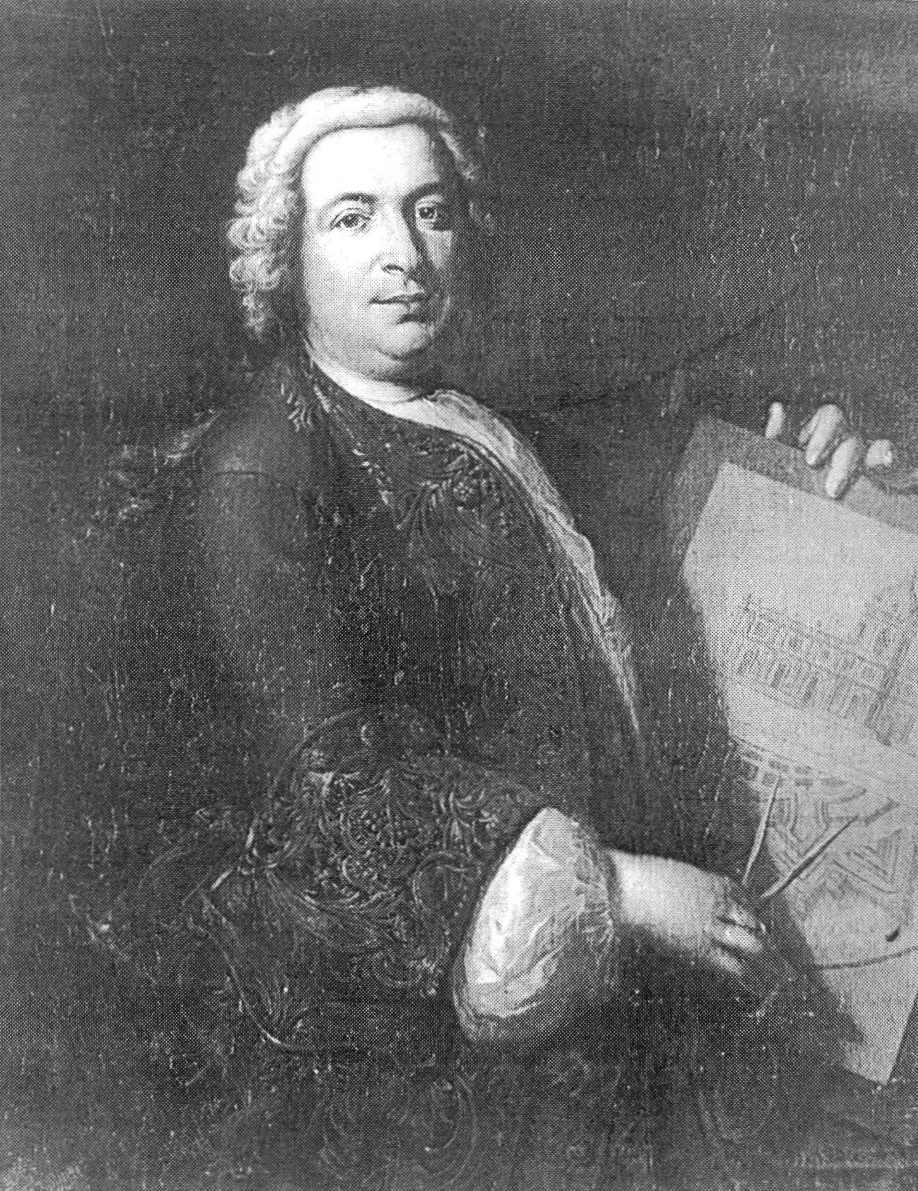
The festival hall is the most famous room of the Residenz Ansbach because the ceiling fresco by Carlo Carlone immediately draws the gaze upward. The Bavarian Palace Administration describes the room as an important highlight of the margravial interior design, which was essentially created between 1734 and 1745 under Leopoldo Retti. In 2026, the festival hall will also be the focus of the special exhibition "How the Sky Came to the Ceiling. The Festival Hall of the Residenz Ansbach". The exhibition makes visible how the spatial artwork was created and how the recently completed restoration secures the hall for future generations. Thus, a classic castle visit becomes a look behind the scenes of monument preservation, craftsmanship, and baroque staging. Particularly appealing is that the restoration is not presented as an abstract technical history but directly in a room that visitors perceive as the highlight during the tour. ([schloesser.bayern.de](https://www.schloesser.bayern.de/deutsch/schloss/objekte/ansbach.htm))
In addition to the festival hall, the gallery of paintings with Rococo works and images from the former margravial gallery, as well as the mirror cabinet with Meissen porcelain, are among the most noteworthy rooms. This furnishing is remarkably well preserved because the residence lost its character as a ruler's residence after 1791 and was therefore less frequently remodeled. Currently, the Palace Administration also points out that due to facade renovation, there may be disruptions during the visit of the margravial apartments. For visitors, this means: the residence remains very attractive, but individual areas may appear different depending on the construction phase than in classic castle photos. This makes prior planning sensible, as one can better assess the tour and wisely choose their own time frame. ([schloesser.bayern.de](https://www.schloesser.bayern.de/deutsch/schloss/objekte/ansbach.htm))
Admission Prices, Tickets, and Tours at the Residenz Ansbach
Those looking for tickets and visiting times should know the official opening hours: From April to September, the residence is open from 9 AM to 6 PM, and from October to March from 10 AM to 4 PM. It is closed on Mondays, except for certain holidays; additionally, it is closed on January 1, Shrove Tuesday, and December 24, 25, and 31. The splendid rooms are only accessible as part of a guided tour, which begins every hour on the hour, with the last tour starting at 5 PM from April to September and at 3 PM from October to March. Admission costs 6 euros regularly and 5 euros reduced; children and young people up to 18 years have free admission. This makes the residence very manageable, both for spontaneous culture seekers and for carefully planned day trips. ([schloesser.bayern.de](https://www.schloesser.bayern.de/deutsch/schloss/objekte/ansbach.htm))
With a duration of about 50 minutes, the castle tour is manageable and therefore also well-planned for a day trip. Those who want to dive deeper can use special tours upon request or keep an eye on the current themed tours, as the Palace Administration regularly publishes tours and family offerings for Ansbach. The special exhibition in 2026 is included in the castle tour ticket; those who visit the exhibition without a castle tour will pay 3 euros per person. This makes the residence flexible, as both short visits and more intensive cultural appointments can be organized. Those who want to take it easy should also plan a little buffer for ticketing, orientation, and possible waiting times so that the tour can start relaxed and one can take their time to absorb the rooms. ([schloesser.bayern.de](https://www.schloesser.bayern.de/deutsch/service/infomat/screen-pdf/ansbach_dt.pdf))
Parking and Access to the Residenz Ansbach
Access is straightforward if one knows the city center of Ansbach. According to official information, the bus goes to Schlossplatz, and the residence is located at Promenade 27 in a very central location. In the Ansbach city center, there are more than 4,000 parking spaces available in four price categories. Particularly relevant for visitors is the Promenade parking lot with 63 spaces, a maximum parking duration of 3 hours, and 1.60 euros per hour. Parking in the city is free on Sundays and holidays. So, anyone planning a short castle visit will find several practical options in the vicinity of the center, which is why the search interest in Residenz Ansbach parking and Ansbach Residenz parking lot is so high. ([schloesser.bayern.de](https://schloesser.bayern.de/deutsch/service/tourismus/Besucherinformation2025.pdf))
For longer stays, Ansbach also offers parking garages and larger parking spaces such as the Altstadt / Mühlbach parking garage or the city's large parking lots. The city also points out digital parking management without tickets in the municipal parking garages, which simplifies payment on site. Therefore, the most important rule of thumb for the residence is simple: utilize the central location, plan short distances, and choose the parking duration to match the visiting window. Those who only want to see the residence and the courtyard garden usually do well with a compact parking solution, while visitors with city strolls can take advantage of the generous city center offerings. Particularly pleasant is that the visit can easily be combined with a walk through the old town without overcomplicating the castle visit. ([ansbach.de](https://www.ansbach.de/index.php?FID=2595.20144.1&ModID=7&object=tx%2C2595.6&utm_source=openai))
Courtyard Garden and Orangery Opposite the Residenz Ansbach
Directly opposite the residence lies the courtyard garden with an orangery, which adds a very pleasant open space to the castle visit. The Palace Administration describes a representative parterre with summer flowers and numerous potted plants, as well as a medicinal herb garden. This is not just a green space but a designed part of the residence complex that makes the courtly character of the entire ensemble visible. Those who want to delve into the interiors should not miss the garden, as it is only by looking outside that one can see how closely representation, garden art, and architecture are connected in Ansbach. In conjunction with the facades of the residence, a very typical ensemble of castle, garden, and courtly order is created, which pleasantly extends the visit even between tours. ([schloesser.bayern.de](https://www.schloesser.bayern.de/deutsch/schloss/objekte/ansbach.htm))
The orangery is also remarkably versatile as an event venue. According to the Palace Administration, the Ansbach orangery is fully suitable for weddings, dance events, seated meals, concerts, and standing receptions for up to 1,088 people. The dome hall is suitable for seated meals and standing receptions for up to 300 people, the foyer for up to 200 people, and the citrus house in the courtyard garden for civil and free weddings as well as art exhibitions for up to 70 people. This explains why search queries for the courtyard garden and orangery often refer not only to the garden but to the entire ensemble of castle, green space, and event location. For event planners, this variety is a real plus, as very different formats from small ceremonies to large receptions can be accommodated within a historical framework. ([schloesser.bayern.de](https://www.schloesser.bayern.de/deutsch/raeume/ueb_ort/ansbach.htm))
Children's Tours, Accessibility, and Current Tips
For families, the Residenz Ansbach offers more than just the classic tour. The official themed and tour search of the Palace Administration regularly lists themed tours and activities for families with children, including in 2026, for example, the family activity "Heavenly Whispers – the Ansbach Ceiling Painting and its Secrets". The curator's tour in July 2026 also shows that the residence actively conveys its festival hall theme. Those traveling with children receive not only historical facts but also an age-appropriate approach to the famous sky of the Carlone Hall. Thus, a classic castle tour becomes an experience that not only informs younger guests but actively engages them. Therefore, anyone looking for a child-friendly cultural address in Ansbach will find the residence a very good choice. ([schloesser.bayern.de](https://www.schloesser.bayern.de/deutsch/aktuell/fuehrung/ergebnis.asp?B1=Suchanfrage+starten&optArt=999999&optMonat=999999&optOrt=32&optRubrik=999999&optSuchfeld=&utm_source=openai))
Practically important is also the accessibility: The official visitor information mentions an elevator and a disabled toilet, which can be used by registering at the ticket office. This is helpful when organizing the visit in advance or when traveling with limited mobility. At the same time, one should pay attention to the current notices from the Palace Administration, as the facade renovation may temporarily affect the visit to the margravial apartments. Therefore, combining access, tours, and possible family offerings allows visitors to experience the residence most comfortably with some advance planning and a look at the current daily notices. For many visitors, it is precisely this mix of historical substance, current mediation, and good accessibility that explains why the Residenz Ansbach is perceived so positively. ([schloesser.bayern.de](https://www.schloesser.bayern.de/deutsch/service/tourismus/Besucherinformation2025.pdf))
Sources:
Mehr anzeigenWeniger anzeigen
Residenz Ansbach | Parking & Tickets
The Residenz Ansbach is one of the most impressive historical residences in Franconia and is much more than just a beautiful castle. Evolving from a medieval complex, it transformed into a modern residence between 1705 and 1730, and the interior design we see today was primarily created between 1734 and 1745 under the artistic direction of Leopoldo Retti. The fact that the last Margrave of Brandenburg-Ansbach abdicated in 1791 made the later condition unusually valuable: the rooms were hardly modernized afterward, allowing an astonishingly uniform baroque sequence of rooms to be preserved to this day. Walking through the splendid rooms, one not only experiences art history but also a very direct encounter with courtly representation, power display, and the everyday world of the 18th century. The address Promenade 27 is centrally located in Ansbach, and access by bus to Schlossplatz is officially provided. ([schloesser.bayern.de](https://www.schloesser.bayern.de/deutsch/schloss/objekte/ansbach.htm))
Especially exciting is that the residence will offer a special exhibition on the festival hall in 2026, providing additional insights into restoration and spatial art. The exhibition runs from July 1 to October 4, 2026, is open daily except Mondays, and is included in the castle tour ticket; those wishing to visit the exhibition without a castle tour will pay 3 euros per person, while children and young people under 18 have free admission. This connects the residence's classic sightseeing, current mediation, and a strong family offering in a very compact way. So, anyone looking for a cultural address that combines history, originality, and still vibrant use will find a place here that is easy to plan and offers plenty of material for a long visit. ([schloesser.bayern.de](https://www.schloesser.bayern.de/deutsch/schloss/objekte/ansbach.htm))
History of the Residenz Ansbach and its Floor Plan
The history of the Residenz Ansbach does not begin as a unified castle building but as a medieval complex that was significantly expanded in the 16th century. In the second half of this century, the Gothic Hall with its ribbed vault was created. Today, it is a key room in the house because it showcases the largest collection of faience and porcelain from the former Ansbach manufactory. Between 1705 and 1730, the building structure was then transformed into a modern residence, allowing older components and baroque representation to directly overlap today. This mixture is precisely what makes the residence so appealing: one does not only see a castle but a place where several epochs remain readable in a single complex. For visitors, this is particularly helpful, as one can trace the transition from the older castle structure to the courtly baroque residence step by step while simultaneously experiencing a very closed spatial feeling. ([schloesser.bayern.de](https://www.schloesser.bayern.de/deutsch/schloss/objekte/ansbach.htm))
For orientation within the building, the layout of the main floor is particularly important. There are three sequences of rooms that were used separately for official ceremonies: the Margrave's apartment, the Margravine's apartment, and the guest apartment. This basic structure explains why many visitors search for a floor plan: the residence is not designed as an arbitrarily nested castle but as a clear sequence of representative rooms, where rank, function, and movement through the building were strictly regulated. The cool symmetry of the plan meets very precious furnishings, including the ceiling fresco in the festival hall, the gallery of paintings with works from the Rococo period, the Meissen porcelain in the mirror cabinet, and the mounted margravial horses from the 18th century. This combination of plan, function, and collection objects makes the place so extraordinary because it not only asserts courtly everyday life but makes it immediately visible. ([schloesser.bayern.de](https://www.schloesser.bayern.de/deutsch/schloss/objekte/ansbach.htm))
Festival Hall, Carlone Hall, and the Splendid Interiors
The festival hall is the most famous room of the Residenz Ansbach because the ceiling fresco by Carlo Carlone immediately draws the gaze upward. The Bavarian Palace Administration describes the room as an important highlight of the margravial interior design, which was essentially created between 1734 and 1745 under Leopoldo Retti. In 2026, the festival hall will also be the focus of the special exhibition "How the Sky Came to the Ceiling. The Festival Hall of the Residenz Ansbach". The exhibition makes visible how the spatial artwork was created and how the recently completed restoration secures the hall for future generations. Thus, a classic castle visit becomes a look behind the scenes of monument preservation, craftsmanship, and baroque staging. Particularly appealing is that the restoration is not presented as an abstract technical history but directly in a room that visitors perceive as the highlight during the tour. ([schloesser.bayern.de](https://www.schloesser.bayern.de/deutsch/schloss/objekte/ansbach.htm))
In addition to the festival hall, the gallery of paintings with Rococo works and images from the former margravial gallery, as well as the mirror cabinet with Meissen porcelain, are among the most noteworthy rooms. This furnishing is remarkably well preserved because the residence lost its character as a ruler's residence after 1791 and was therefore less frequently remodeled. Currently, the Palace Administration also points out that due to facade renovation, there may be disruptions during the visit of the margravial apartments. For visitors, this means: the residence remains very attractive, but individual areas may appear different depending on the construction phase than in classic castle photos. This makes prior planning sensible, as one can better assess the tour and wisely choose their own time frame. ([schloesser.bayern.de](https://www.schloesser.bayern.de/deutsch/schloss/objekte/ansbach.htm))
Admission Prices, Tickets, and Tours at the Residenz Ansbach
Those looking for tickets and visiting times should know the official opening hours: From April to September, the residence is open from 9 AM to 6 PM, and from October to March from 10 AM to 4 PM. It is closed on Mondays, except for certain holidays; additionally, it is closed on January 1, Shrove Tuesday, and December 24, 25, and 31. The splendid rooms are only accessible as part of a guided tour, which begins every hour on the hour, with the last tour starting at 5 PM from April to September and at 3 PM from October to March. Admission costs 6 euros regularly and 5 euros reduced; children and young people up to 18 years have free admission. This makes the residence very manageable, both for spontaneous culture seekers and for carefully planned day trips. ([schloesser.bayern.de](https://www.schloesser.bayern.de/deutsch/schloss/objekte/ansbach.htm))
With a duration of about 50 minutes, the castle tour is manageable and therefore also well-planned for a day trip. Those who want to dive deeper can use special tours upon request or keep an eye on the current themed tours, as the Palace Administration regularly publishes tours and family offerings for Ansbach. The special exhibition in 2026 is included in the castle tour ticket; those who visit the exhibition without a castle tour will pay 3 euros per person. This makes the residence flexible, as both short visits and more intensive cultural appointments can be organized. Those who want to take it easy should also plan a little buffer for ticketing, orientation, and possible waiting times so that the tour can start relaxed and one can take their time to absorb the rooms. ([schloesser.bayern.de](https://www.schloesser.bayern.de/deutsch/service/infomat/screen-pdf/ansbach_dt.pdf))
Parking and Access to the Residenz Ansbach
Access is straightforward if one knows the city center of Ansbach. According to official information, the bus goes to Schlossplatz, and the residence is located at Promenade 27 in a very central location. In the Ansbach city center, there are more than 4,000 parking spaces available in four price categories. Particularly relevant for visitors is the Promenade parking lot with 63 spaces, a maximum parking duration of 3 hours, and 1.60 euros per hour. Parking in the city is free on Sundays and holidays. So, anyone planning a short castle visit will find several practical options in the vicinity of the center, which is why the search interest in Residenz Ansbach parking and Ansbach Residenz parking lot is so high. ([schloesser.bayern.de](https://schloesser.bayern.de/deutsch/service/tourismus/Besucherinformation2025.pdf))
For longer stays, Ansbach also offers parking garages and larger parking spaces such as the Altstadt / Mühlbach parking garage or the city's large parking lots. The city also points out digital parking management without tickets in the municipal parking garages, which simplifies payment on site. Therefore, the most important rule of thumb for the residence is simple: utilize the central location, plan short distances, and choose the parking duration to match the visiting window. Those who only want to see the residence and the courtyard garden usually do well with a compact parking solution, while visitors with city strolls can take advantage of the generous city center offerings. Particularly pleasant is that the visit can easily be combined with a walk through the old town without overcomplicating the castle visit. ([ansbach.de](https://www.ansbach.de/index.php?FID=2595.20144.1&ModID=7&object=tx%2C2595.6&utm_source=openai))
Courtyard Garden and Orangery Opposite the Residenz Ansbach
Directly opposite the residence lies the courtyard garden with an orangery, which adds a very pleasant open space to the castle visit. The Palace Administration describes a representative parterre with summer flowers and numerous potted plants, as well as a medicinal herb garden. This is not just a green space but a designed part of the residence complex that makes the courtly character of the entire ensemble visible. Those who want to delve into the interiors should not miss the garden, as it is only by looking outside that one can see how closely representation, garden art, and architecture are connected in Ansbach. In conjunction with the facades of the residence, a very typical ensemble of castle, garden, and courtly order is created, which pleasantly extends the visit even between tours. ([schloesser.bayern.de](https://www.schloesser.bayern.de/deutsch/schloss/objekte/ansbach.htm))
The orangery is also remarkably versatile as an event venue. According to the Palace Administration, the Ansbach orangery is fully suitable for weddings, dance events, seated meals, concerts, and standing receptions for up to 1,088 people. The dome hall is suitable for seated meals and standing receptions for up to 300 people, the foyer for up to 200 people, and the citrus house in the courtyard garden for civil and free weddings as well as art exhibitions for up to 70 people. This explains why search queries for the courtyard garden and orangery often refer not only to the garden but to the entire ensemble of castle, green space, and event location. For event planners, this variety is a real plus, as very different formats from small ceremonies to large receptions can be accommodated within a historical framework. ([schloesser.bayern.de](https://www.schloesser.bayern.de/deutsch/raeume/ueb_ort/ansbach.htm))
Children's Tours, Accessibility, and Current Tips
For families, the Residenz Ansbach offers more than just the classic tour. The official themed and tour search of the Palace Administration regularly lists themed tours and activities for families with children, including in 2026, for example, the family activity "Heavenly Whispers – the Ansbach Ceiling Painting and its Secrets". The curator's tour in July 2026 also shows that the residence actively conveys its festival hall theme. Those traveling with children receive not only historical facts but also an age-appropriate approach to the famous sky of the Carlone Hall. Thus, a classic castle tour becomes an experience that not only informs younger guests but actively engages them. Therefore, anyone looking for a child-friendly cultural address in Ansbach will find the residence a very good choice. ([schloesser.bayern.de](https://www.schloesser.bayern.de/deutsch/aktuell/fuehrung/ergebnis.asp?B1=Suchanfrage+starten&optArt=999999&optMonat=999999&optOrt=32&optRubrik=999999&optSuchfeld=&utm_source=openai))
Practically important is also the accessibility: The official visitor information mentions an elevator and a disabled toilet, which can be used by registering at the ticket office. This is helpful when organizing the visit in advance or when traveling with limited mobility. At the same time, one should pay attention to the current notices from the Palace Administration, as the facade renovation may temporarily affect the visit to the margravial apartments. Therefore, combining access, tours, and possible family offerings allows visitors to experience the residence most comfortably with some advance planning and a look at the current daily notices. For many visitors, it is precisely this mix of historical substance, current mediation, and good accessibility that explains why the Residenz Ansbach is perceived so positively. ([schloesser.bayern.de](https://www.schloesser.bayern.de/deutsch/service/tourismus/Besucherinformation2025.pdf))
Sources:
Residenz Ansbach | Parking & Tickets
The Residenz Ansbach is one of the most impressive historical residences in Franconia and is much more than just a beautiful castle. Evolving from a medieval complex, it transformed into a modern residence between 1705 and 1730, and the interior design we see today was primarily created between 1734 and 1745 under the artistic direction of Leopoldo Retti. The fact that the last Margrave of Brandenburg-Ansbach abdicated in 1791 made the later condition unusually valuable: the rooms were hardly modernized afterward, allowing an astonishingly uniform baroque sequence of rooms to be preserved to this day. Walking through the splendid rooms, one not only experiences art history but also a very direct encounter with courtly representation, power display, and the everyday world of the 18th century. The address Promenade 27 is centrally located in Ansbach, and access by bus to Schlossplatz is officially provided. ([schloesser.bayern.de](https://www.schloesser.bayern.de/deutsch/schloss/objekte/ansbach.htm))
Especially exciting is that the residence will offer a special exhibition on the festival hall in 2026, providing additional insights into restoration and spatial art. The exhibition runs from July 1 to October 4, 2026, is open daily except Mondays, and is included in the castle tour ticket; those wishing to visit the exhibition without a castle tour will pay 3 euros per person, while children and young people under 18 have free admission. This connects the residence's classic sightseeing, current mediation, and a strong family offering in a very compact way. So, anyone looking for a cultural address that combines history, originality, and still vibrant use will find a place here that is easy to plan and offers plenty of material for a long visit. ([schloesser.bayern.de](https://www.schloesser.bayern.de/deutsch/schloss/objekte/ansbach.htm))
History of the Residenz Ansbach and its Floor Plan
The history of the Residenz Ansbach does not begin as a unified castle building but as a medieval complex that was significantly expanded in the 16th century. In the second half of this century, the Gothic Hall with its ribbed vault was created. Today, it is a key room in the house because it showcases the largest collection of faience and porcelain from the former Ansbach manufactory. Between 1705 and 1730, the building structure was then transformed into a modern residence, allowing older components and baroque representation to directly overlap today. This mixture is precisely what makes the residence so appealing: one does not only see a castle but a place where several epochs remain readable in a single complex. For visitors, this is particularly helpful, as one can trace the transition from the older castle structure to the courtly baroque residence step by step while simultaneously experiencing a very closed spatial feeling. ([schloesser.bayern.de](https://www.schloesser.bayern.de/deutsch/schloss/objekte/ansbach.htm))
For orientation within the building, the layout of the main floor is particularly important. There are three sequences of rooms that were used separately for official ceremonies: the Margrave's apartment, the Margravine's apartment, and the guest apartment. This basic structure explains why many visitors search for a floor plan: the residence is not designed as an arbitrarily nested castle but as a clear sequence of representative rooms, where rank, function, and movement through the building were strictly regulated. The cool symmetry of the plan meets very precious furnishings, including the ceiling fresco in the festival hall, the gallery of paintings with works from the Rococo period, the Meissen porcelain in the mirror cabinet, and the mounted margravial horses from the 18th century. This combination of plan, function, and collection objects makes the place so extraordinary because it not only asserts courtly everyday life but makes it immediately visible. ([schloesser.bayern.de](https://www.schloesser.bayern.de/deutsch/schloss/objekte/ansbach.htm))
Festival Hall, Carlone Hall, and the Splendid Interiors
The festival hall is the most famous room of the Residenz Ansbach because the ceiling fresco by Carlo Carlone immediately draws the gaze upward. The Bavarian Palace Administration describes the room as an important highlight of the margravial interior design, which was essentially created between 1734 and 1745 under Leopoldo Retti. In 2026, the festival hall will also be the focus of the special exhibition "How the Sky Came to the Ceiling. The Festival Hall of the Residenz Ansbach". The exhibition makes visible how the spatial artwork was created and how the recently completed restoration secures the hall for future generations. Thus, a classic castle visit becomes a look behind the scenes of monument preservation, craftsmanship, and baroque staging. Particularly appealing is that the restoration is not presented as an abstract technical history but directly in a room that visitors perceive as the highlight during the tour. ([schloesser.bayern.de](https://www.schloesser.bayern.de/deutsch/schloss/objekte/ansbach.htm))
In addition to the festival hall, the gallery of paintings with Rococo works and images from the former margravial gallery, as well as the mirror cabinet with Meissen porcelain, are among the most noteworthy rooms. This furnishing is remarkably well preserved because the residence lost its character as a ruler's residence after 1791 and was therefore less frequently remodeled. Currently, the Palace Administration also points out that due to facade renovation, there may be disruptions during the visit of the margravial apartments. For visitors, this means: the residence remains very attractive, but individual areas may appear different depending on the construction phase than in classic castle photos. This makes prior planning sensible, as one can better assess the tour and wisely choose their own time frame. ([schloesser.bayern.de](https://www.schloesser.bayern.de/deutsch/schloss/objekte/ansbach.htm))
Admission Prices, Tickets, and Tours at the Residenz Ansbach
Those looking for tickets and visiting times should know the official opening hours: From April to September, the residence is open from 9 AM to 6 PM, and from October to March from 10 AM to 4 PM. It is closed on Mondays, except for certain holidays; additionally, it is closed on January 1, Shrove Tuesday, and December 24, 25, and 31. The splendid rooms are only accessible as part of a guided tour, which begins every hour on the hour, with the last tour starting at 5 PM from April to September and at 3 PM from October to March. Admission costs 6 euros regularly and 5 euros reduced; children and young people up to 18 years have free admission. This makes the residence very manageable, both for spontaneous culture seekers and for carefully planned day trips. ([schloesser.bayern.de](https://www.schloesser.bayern.de/deutsch/schloss/objekte/ansbach.htm))
With a duration of about 50 minutes, the castle tour is manageable and therefore also well-planned for a day trip. Those who want to dive deeper can use special tours upon request or keep an eye on the current themed tours, as the Palace Administration regularly publishes tours and family offerings for Ansbach. The special exhibition in 2026 is included in the castle tour ticket; those who visit the exhibition without a castle tour will pay 3 euros per person. This makes the residence flexible, as both short visits and more intensive cultural appointments can be organized. Those who want to take it easy should also plan a little buffer for ticketing, orientation, and possible waiting times so that the tour can start relaxed and one can take their time to absorb the rooms. ([schloesser.bayern.de](https://www.schloesser.bayern.de/deutsch/service/infomat/screen-pdf/ansbach_dt.pdf))
Parking and Access to the Residenz Ansbach
Access is straightforward if one knows the city center of Ansbach. According to official information, the bus goes to Schlossplatz, and the residence is located at Promenade 27 in a very central location. In the Ansbach city center, there are more than 4,000 parking spaces available in four price categories. Particularly relevant for visitors is the Promenade parking lot with 63 spaces, a maximum parking duration of 3 hours, and 1.60 euros per hour. Parking in the city is free on Sundays and holidays. So, anyone planning a short castle visit will find several practical options in the vicinity of the center, which is why the search interest in Residenz Ansbach parking and Ansbach Residenz parking lot is so high. ([schloesser.bayern.de](https://schloesser.bayern.de/deutsch/service/tourismus/Besucherinformation2025.pdf))
For longer stays, Ansbach also offers parking garages and larger parking spaces such as the Altstadt / Mühlbach parking garage or the city's large parking lots. The city also points out digital parking management without tickets in the municipal parking garages, which simplifies payment on site. Therefore, the most important rule of thumb for the residence is simple: utilize the central location, plan short distances, and choose the parking duration to match the visiting window. Those who only want to see the residence and the courtyard garden usually do well with a compact parking solution, while visitors with city strolls can take advantage of the generous city center offerings. Particularly pleasant is that the visit can easily be combined with a walk through the old town without overcomplicating the castle visit. ([ansbach.de](https://www.ansbach.de/index.php?FID=2595.20144.1&ModID=7&object=tx%2C2595.6&utm_source=openai))
Courtyard Garden and Orangery Opposite the Residenz Ansbach
Directly opposite the residence lies the courtyard garden with an orangery, which adds a very pleasant open space to the castle visit. The Palace Administration describes a representative parterre with summer flowers and numerous potted plants, as well as a medicinal herb garden. This is not just a green space but a designed part of the residence complex that makes the courtly character of the entire ensemble visible. Those who want to delve into the interiors should not miss the garden, as it is only by looking outside that one can see how closely representation, garden art, and architecture are connected in Ansbach. In conjunction with the facades of the residence, a very typical ensemble of castle, garden, and courtly order is created, which pleasantly extends the visit even between tours. ([schloesser.bayern.de](https://www.schloesser.bayern.de/deutsch/schloss/objekte/ansbach.htm))
The orangery is also remarkably versatile as an event venue. According to the Palace Administration, the Ansbach orangery is fully suitable for weddings, dance events, seated meals, concerts, and standing receptions for up to 1,088 people. The dome hall is suitable for seated meals and standing receptions for up to 300 people, the foyer for up to 200 people, and the citrus house in the courtyard garden for civil and free weddings as well as art exhibitions for up to 70 people. This explains why search queries for the courtyard garden and orangery often refer not only to the garden but to the entire ensemble of castle, green space, and event location. For event planners, this variety is a real plus, as very different formats from small ceremonies to large receptions can be accommodated within a historical framework. ([schloesser.bayern.de](https://www.schloesser.bayern.de/deutsch/raeume/ueb_ort/ansbach.htm))
Children's Tours, Accessibility, and Current Tips
For families, the Residenz Ansbach offers more than just the classic tour. The official themed and tour search of the Palace Administration regularly lists themed tours and activities for families with children, including in 2026, for example, the family activity "Heavenly Whispers – the Ansbach Ceiling Painting and its Secrets". The curator's tour in July 2026 also shows that the residence actively conveys its festival hall theme. Those traveling with children receive not only historical facts but also an age-appropriate approach to the famous sky of the Carlone Hall. Thus, a classic castle tour becomes an experience that not only informs younger guests but actively engages them. Therefore, anyone looking for a child-friendly cultural address in Ansbach will find the residence a very good choice. ([schloesser.bayern.de](https://www.schloesser.bayern.de/deutsch/aktuell/fuehrung/ergebnis.asp?B1=Suchanfrage+starten&optArt=999999&optMonat=999999&optOrt=32&optRubrik=999999&optSuchfeld=&utm_source=openai))
Practically important is also the accessibility: The official visitor information mentions an elevator and a disabled toilet, which can be used by registering at the ticket office. This is helpful when organizing the visit in advance or when traveling with limited mobility. At the same time, one should pay attention to the current notices from the Palace Administration, as the facade renovation may temporarily affect the visit to the margravial apartments. Therefore, combining access, tours, and possible family offerings allows visitors to experience the residence most comfortably with some advance planning and a look at the current daily notices. For many visitors, it is precisely this mix of historical substance, current mediation, and good accessibility that explains why the Residenz Ansbach is perceived so positively. ([schloesser.bayern.de](https://www.schloesser.bayern.de/deutsch/service/tourismus/Besucherinformation2025.pdf))
Sources:
Upcoming Events
Special Exhibition: How the Sky Came to the Ceiling
Baroque, restoration, and spatial art in Ansbach: The special exhibition opens the Banquet Hall anew and tangibly. July 1 to October 4, 2026, 3 euros. #Art
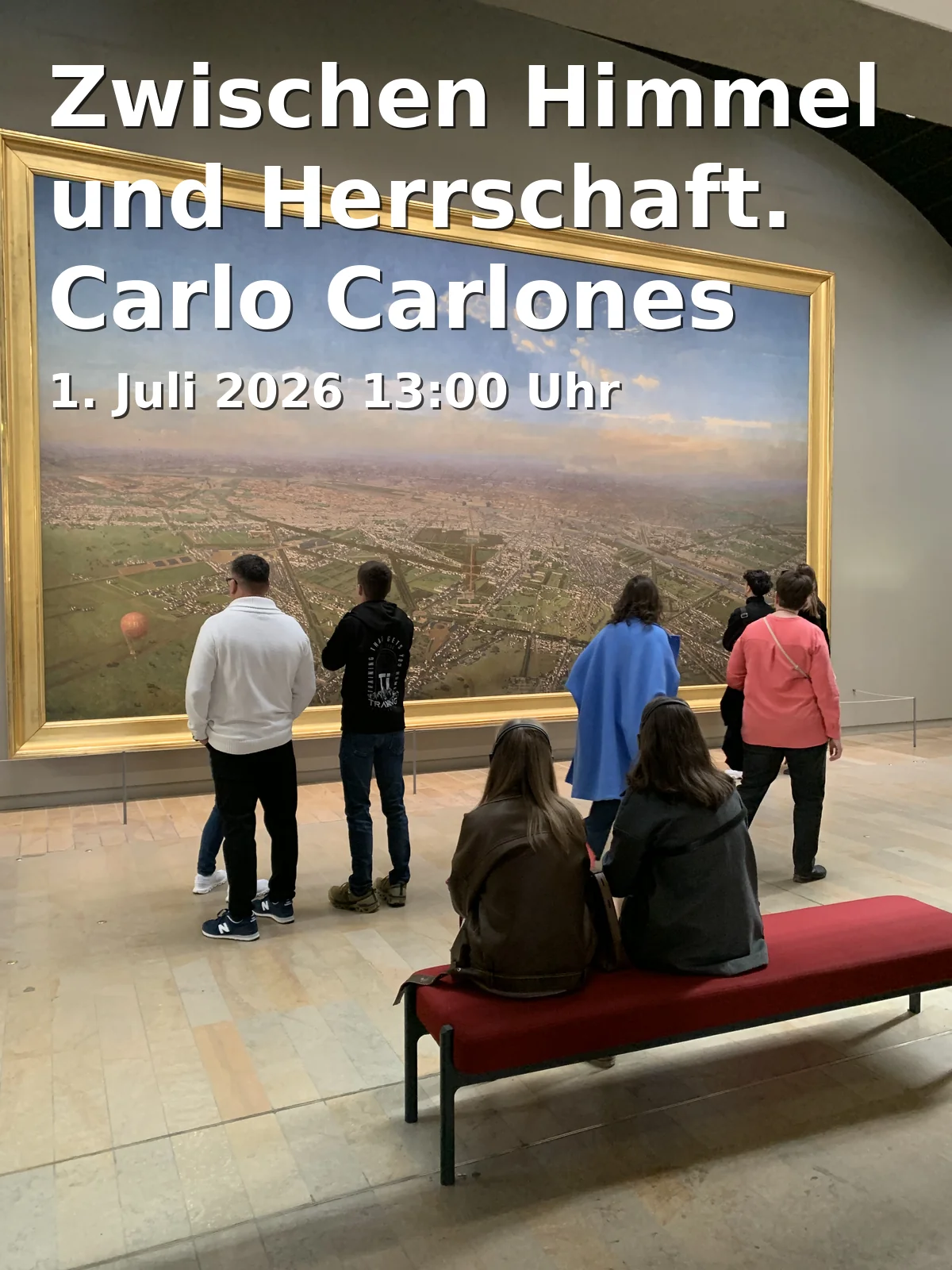
Between Heaven and Authority. Carlo Carlone's Visions of the Princely Virtue State in the Ceiling Paintings of the Ansbach Residence
Baroque spatial art up close: In Ansbach, Carlo Carlone's festive hall reveals its full shine. Restoration, fresco, and original space from 01.07. to 04.10.2026. #Ansbach #Baroque
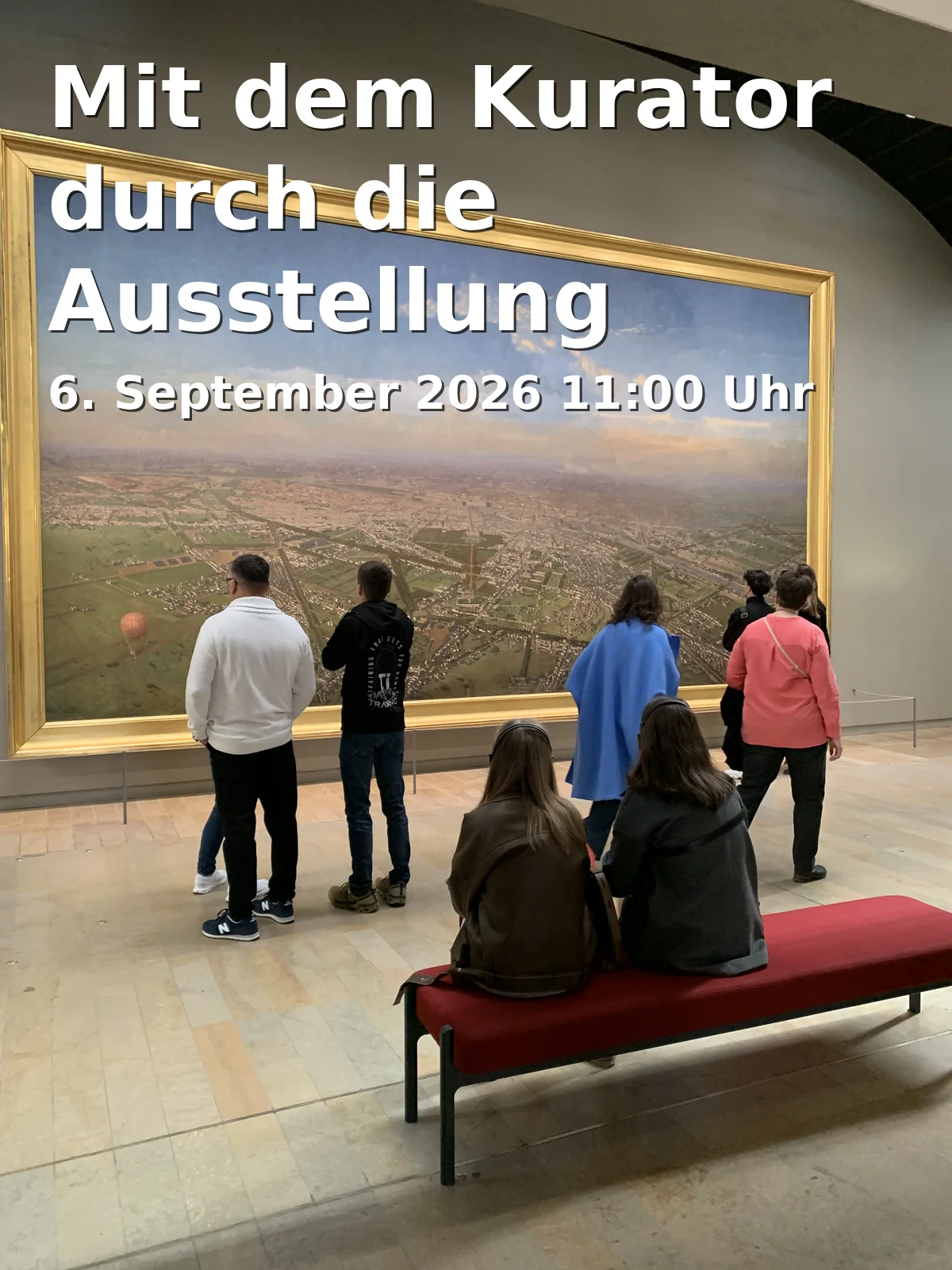
With the Curator through the Exhibition
Experience baroque spatial art and curatorial insights in the Residence Ansbach. Discover for 3 euros on 06.09.2026 and feel art history. #Ansbach #Art
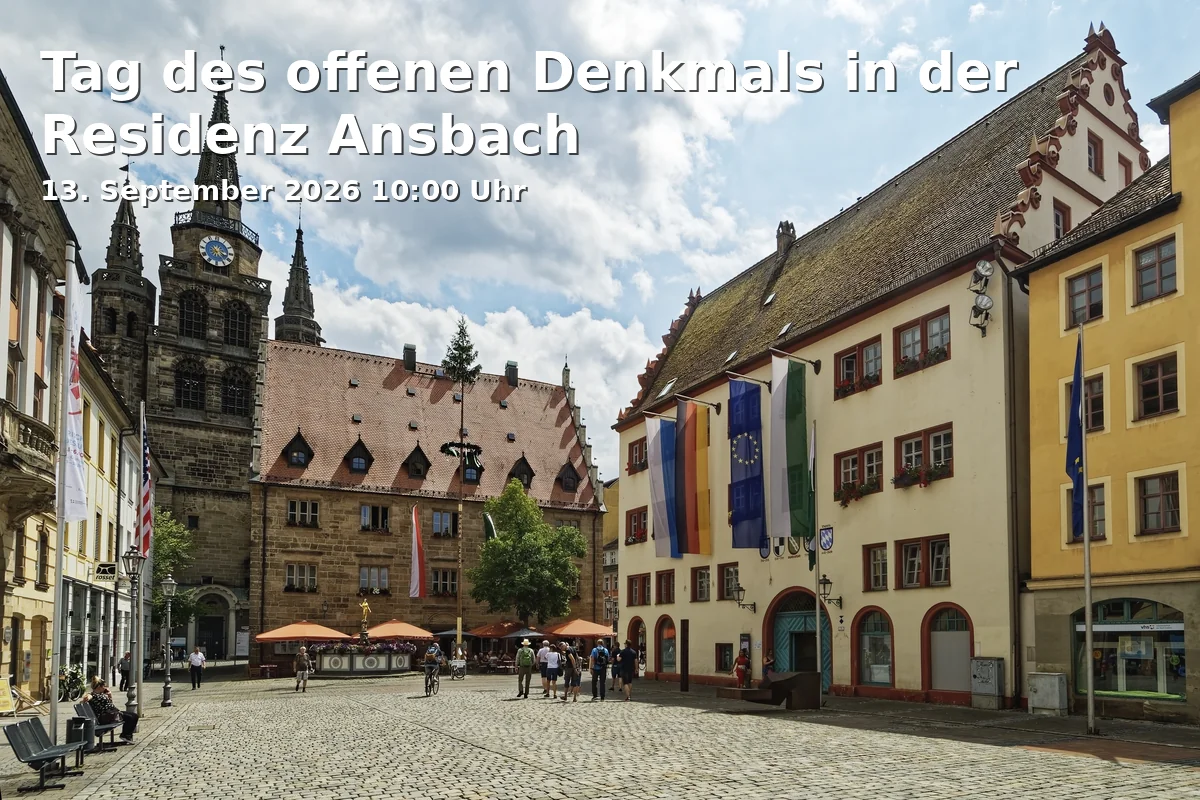
Day of the Open Monuments at the Ansbach Residence
Experience the Day of the Open Monuments at the Ansbach Residence with baroque roof construction, history, and special exhibition. Free admission, registration required. #Ansbach #MonumentDay
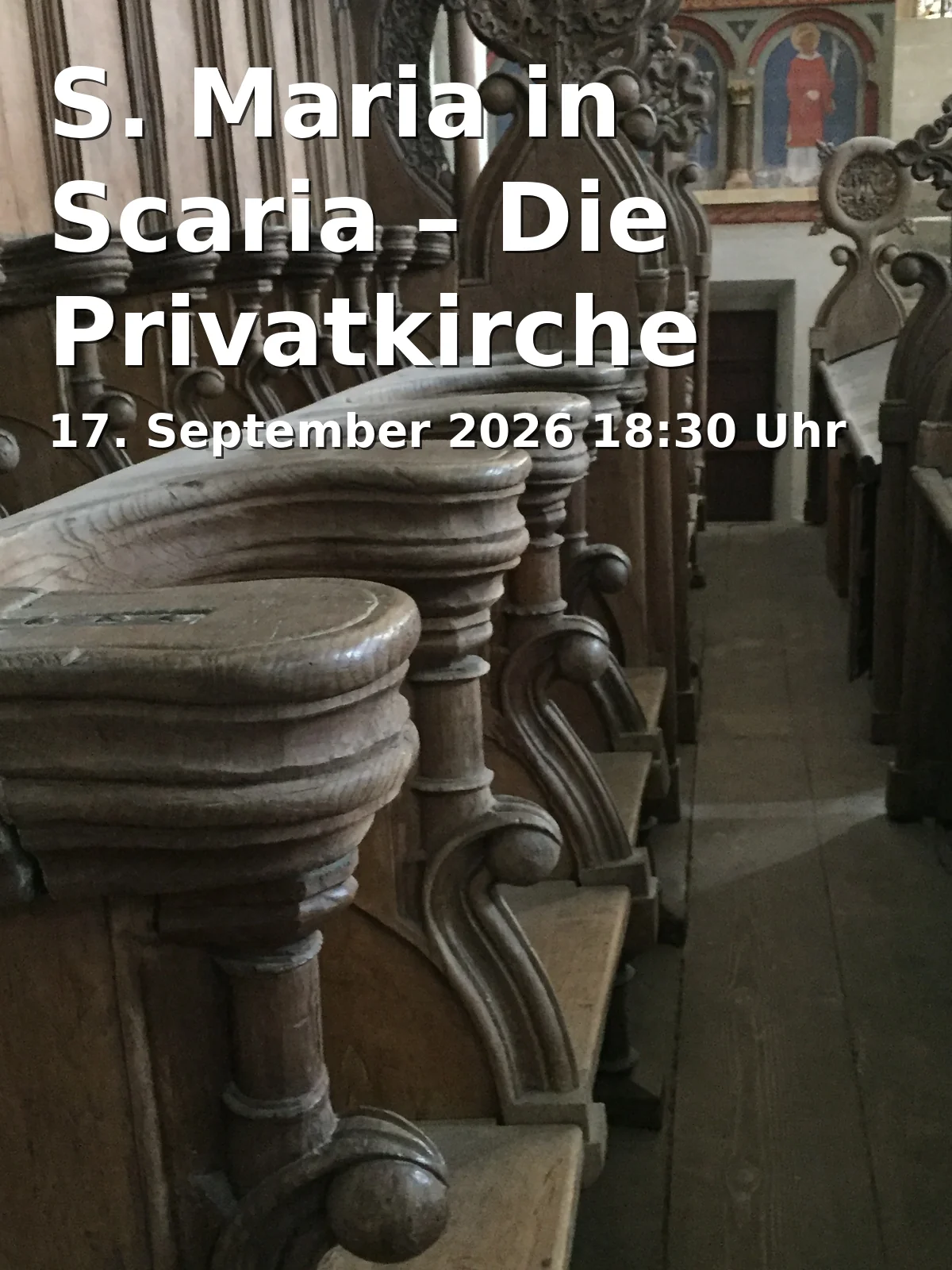
S. Maria in Scaria – The Private Church of the Carlone Brothers
An evening full of Baroque, faith, and art history in Ansbach. S. Maria in Scaria opens the view on a unique private church. Free admission on 09/17/2026. #Ansbach #Baroque
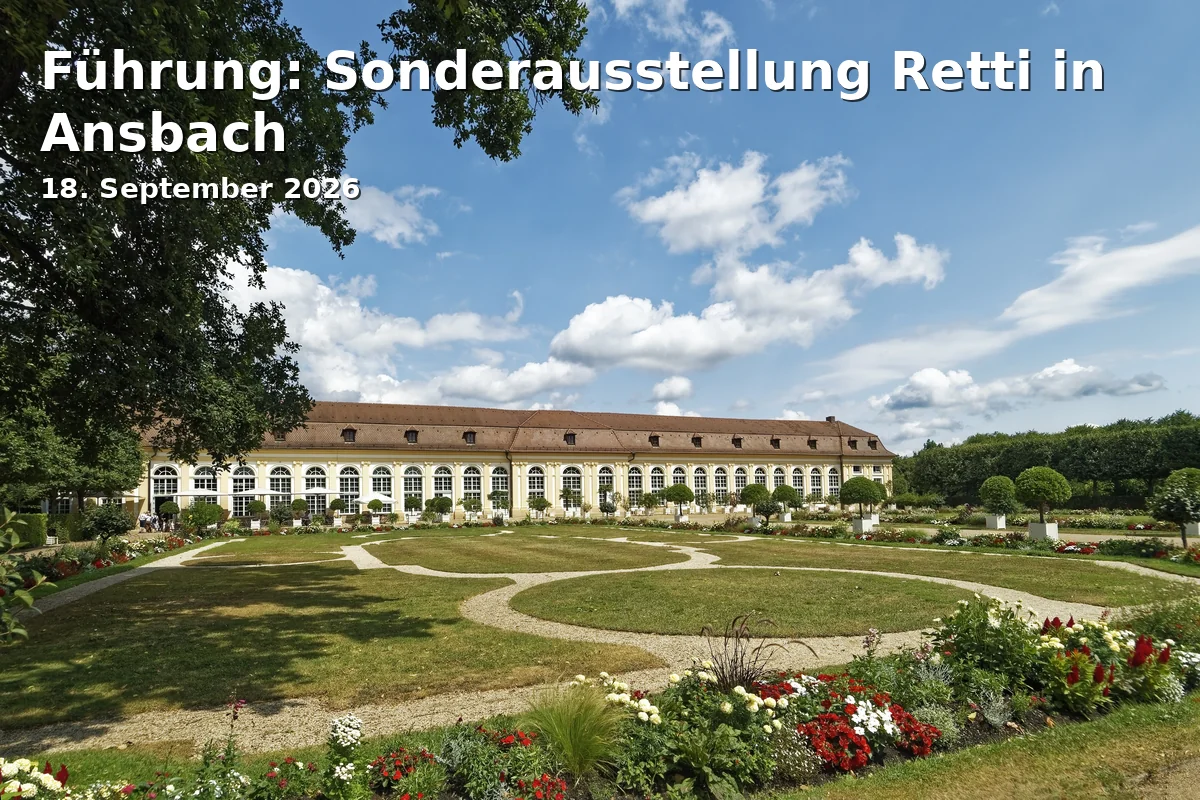
Guided Tour: Special Exhibition Retti in Ansbach
Guided tour through historical Retti sites in Ansbach's Residenz and Retti Palais.
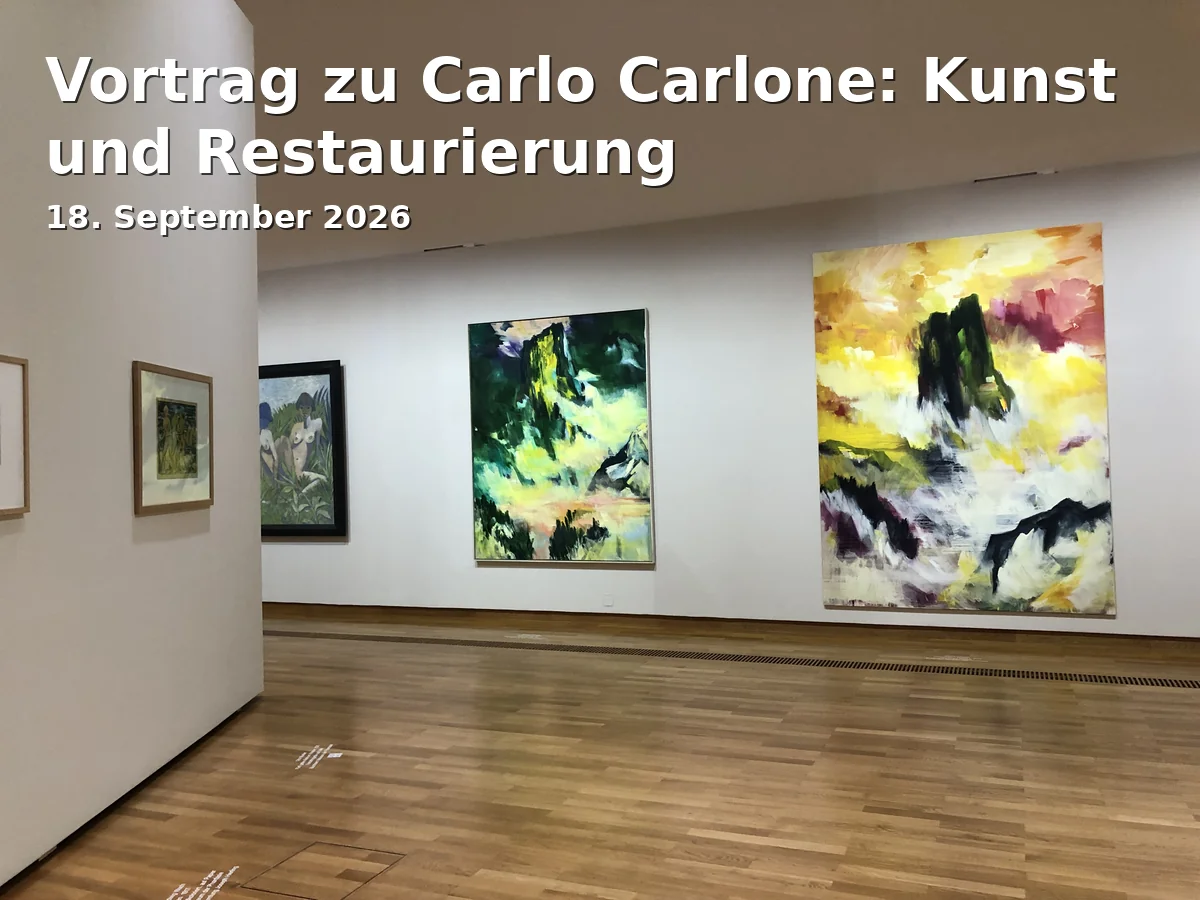
Lecture on Carlo Carlone: Art and Restoration
Join an exciting lecture on Carlo Carlone's works and learn more about art and restoration.
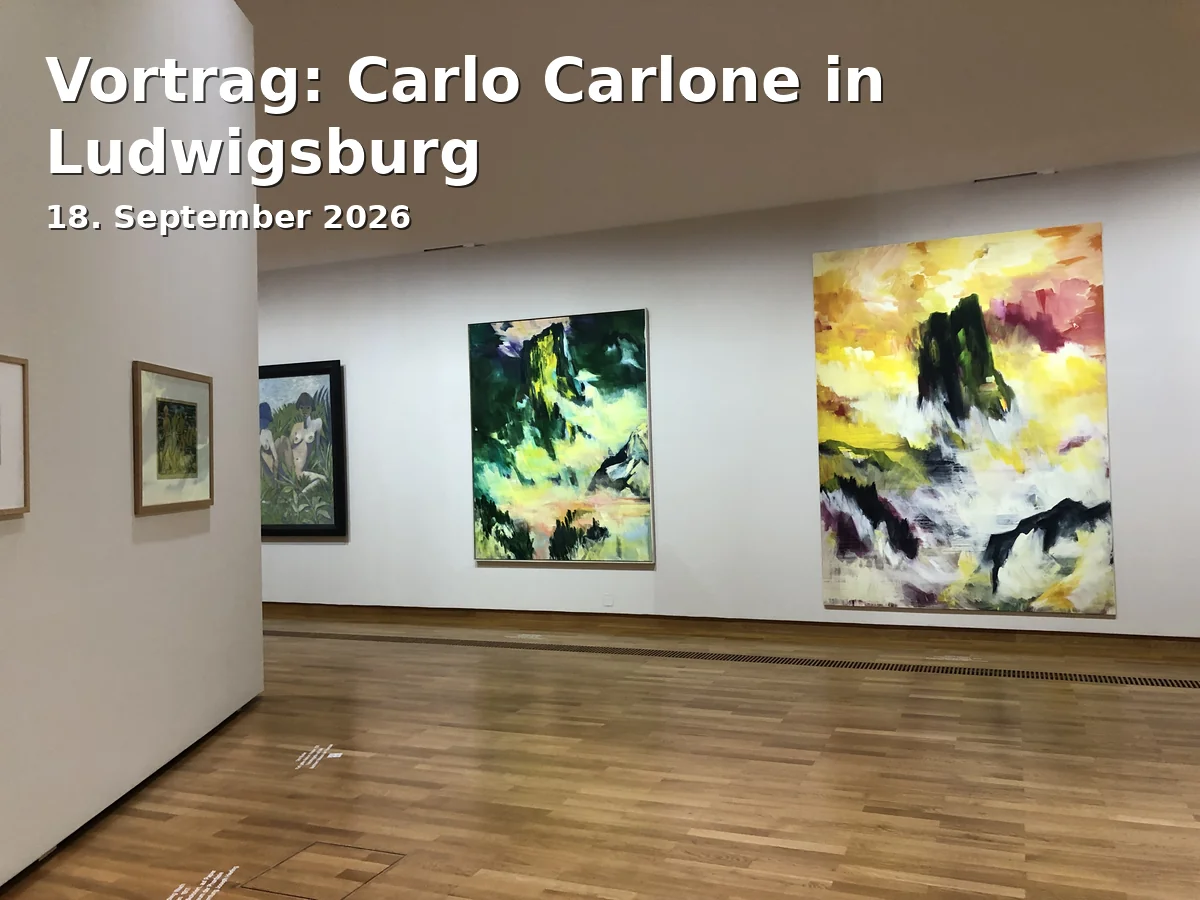
Lecture: Carlo Carlone in Ludwigsburg
Discover the fascinating works of Carlo Carlone in a lecture that unites art and restoration.
Special Exhibition as part of the Green Night "How the Sky Came to the Ceiling. The Festive Hall of the Ansbach Residence"
A baroque festive hall full of light, stucco, and history: The Ansbach Residence shows restored splendor and new insights. Experience it now! #Ansbach
Rettis Construction Sites: Guided Tour of the Special Exhibition at the Ansbach Residence and the Retti Palais
Discover Ansbach's Baroque masterpieces at Rettis Construction Sites in Residence and Retti Palais. 18.09.2026, 9 euros, registration needed. #Ansbach #Baroque #Culture
Frequently Asked Questions
Reviews
Melanie Mengüş
25. October 2025
Visited the castle with the English tour because you can't visit by yourself. The guide was really nice and his English was great too. The castle is really nice though it is not furnished and some renovations were going on. But the guide made the visit much better to be honest!
Petros PAPAZOGLOU PAPAZOGLAKIS
13. April 2025
The palace offers an engaging visit that can be completed within an hour. Visitors have the opportunity to explore several interesting rooms and gain insightful information about the site. Guided tours are available and provide a great experience; however, they are conducted exclusively in German. For non-German speakers, understanding the full context may be challenging, as the information is presented in a printout sheet, which does not entirely capture the essence of the experience. Also some of the rooms are under repairs and are not visitable. Additionally, the ground floor features a porcelain exhibition, enhancing the visit with an interesting cultural touch.
david antoun
16. September 2024
Baroque-renaissance residence, place of sitting for the Markgraven. You can only visit with a guided tour, a gothic hall on the ground floor is open freely. The tour is a series of rooms and story of the owners. The place is under heavy renovation works (outside and inside), plans for end 2025 to be reopen without limitations again, but the replica is there to see especially the ceiling rococo in the fest Halle. The place was barely damaged in war so you could actually see original stuff from the 18th century.
Tony B
21. June 2026
Pretty interesting tour!
Zoe Ryan
14. July 2020
Excellent visit, not yours at the moment due to covid, but you can walk through the rooms on your own (although not all the rooms are open), there is only limited information in English, but staff are really friendly, after visiting I went to the gardens across the road.