
Reiner Anselm
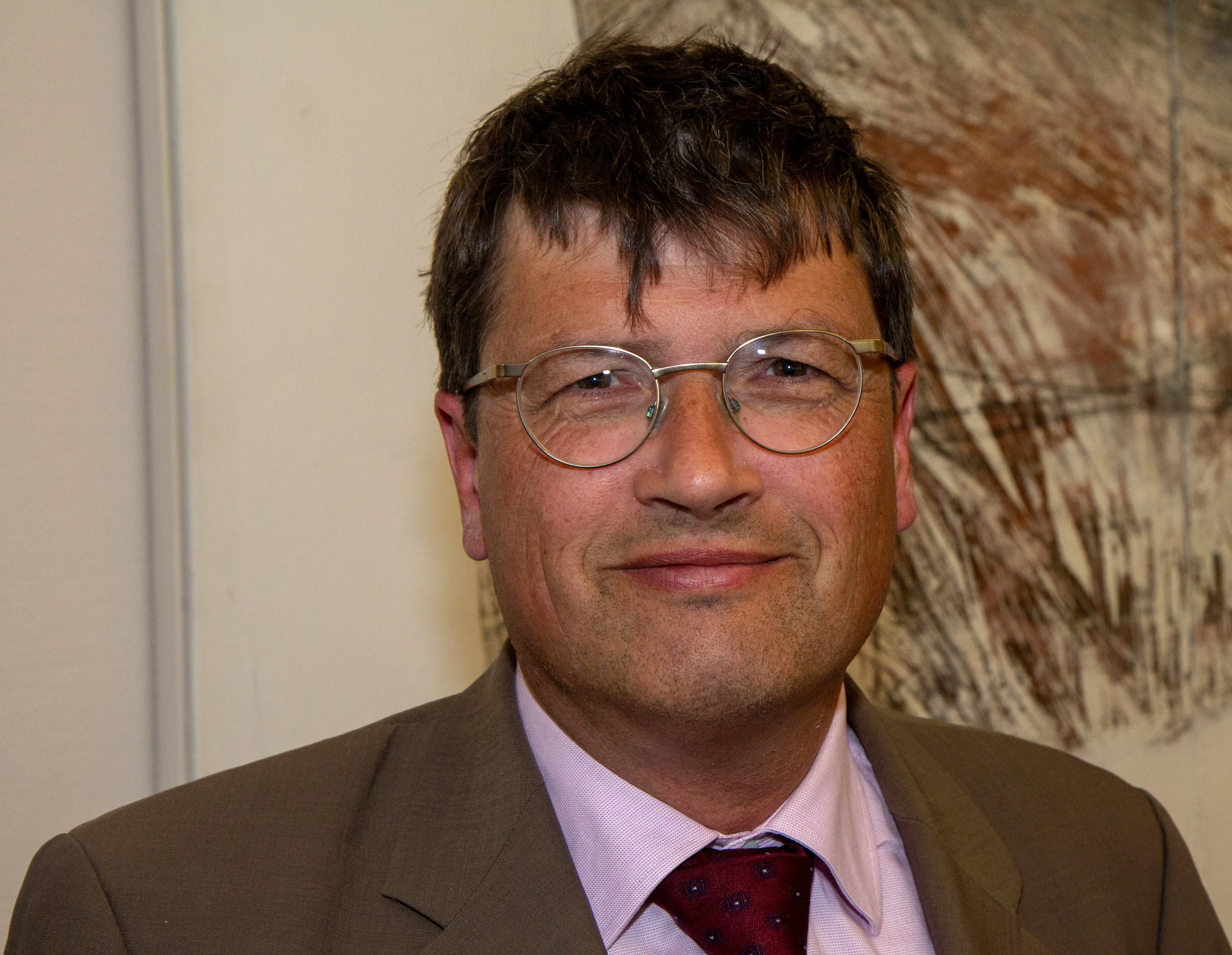
Image from Wikipedia
Image from Wikipedia
Reiner Anselm – Protestant Theologian, Ethicist, and Influential Voice in Public Protestantism
A Thinker Between Theology, Ethics, and Social Responsibility
Reiner Anselm, born on March 19, 1965, in Gräfelfing, is one of the most prominent Protestant theologians of his generation. His work combines systematic theology with political ethics, bioethics, and questions of public life. As a professor at Ludwig Maximilian University of Munich and a key player in ecclesiastical and societal debates, he has established a clear authority over many years. ([de.wikipedia.org](https://de.wikipedia.org/wiki/Reiner_Anselm?utm_source=openai))
Biographical Development: From Munich to Heidelberg and Zurich to LMU
Anselm grew up in a religious environment; his father was a pastor and director of studies. After graduating from Karlsgymnasium Munich-Pasing in 1984, he studied Protestant theology at the universities of Munich, Heidelberg, and Zurich. This academic triad shaped his later thinking: historically informed, dogmatically precise, and open to international theological discourse. ([de.wikipedia.org](https://de.wikipedia.org/wiki/Reiner_Anselm?utm_source=openai))
After his first theological examination, he worked at the Institute for Systematic Theology in Munich, obtained his doctorate, and completed his vicariate in the Bavarian regional church. In 1995, he completed his second theological examination, and in 1998, he habilitated with a dissertation on Lutheran ecclesiology. Since the winter semester of 2014/2015, he has held the chair for Systematic Theology and Ethics at LMU Munich. ([de.wikipedia.org](https://de.wikipedia.org/wiki/Reiner_Anselm?utm_source=openai))
Academic Profile and Areas of Expertise
LMU lists Reiner Anselm as an expert in religion, ethics, bioethics, medical ethics, euthanasia, and the relationship between religion and politics. This thematic breadth demonstrates research that does not remain in an ivory tower, but consciously engages with societal conflict areas. His combination of theological systematics and normative judgment-making positions him as a voice that holds both academic and public significance. ([lmu.de](https://www.lmu.de/de/die-lmu/struktur/zentrale-universitaetsverwaltung/kommunikation-und-presse/expertenservice/themengebiet/religion.html?utm_source=openai))
He has also been visible in university committees for years, including as a dean of studies and in examination boards of the Protestant theological faculty. These roles underline not only his organizational competence but also his standing within academic theology. Authority in this context does not arise from volume but from institutional responsibility and argumentative continuity. ([lmu.de](https://www.lmu.de/de/studium/wichtige-kontakte/pruefungsaemter/pruefungsamt-fuer-geistes-und-sozialwissenschaften/abschluesse/bachelor/fakultaets-oder-universitaetsuebergreifende-bachelorstudiengaenge/berufliche-bildung-tum/berufliche-bildung-tum-mit-unterrichtsfach-evangelische-religionslehre/?utm_source=openai))
Career and Public Impact: Ethics as a Practice of the Present
Reiner Anselm is not a theologian confined to dogmatic inner spaces. Instead, he engages in debates about democracy, plurality, violence, responsibility, and social cohesion. In an EKD interview, he emphasized the necessity of discourse and discussed the opportunities and risks of plurality in a democratic public sphere. ([ekd.de](https://www.ekd.de/Reiner-Anselm-Gedanken-zur-Demokratie-Interview-27665.htm?utm_source=openai))
His public relevance became particularly evident in his work on the EKD peace statement. He is among the key voices further developing the concept of "just peace" and adapting it to the challenges of a changing world order. The EKD refers multiple times in 2025 and 2026 to his involvement in this process and to his role as a co-author and spokesperson in the peace ethics debate. ([ekd.de](https://www.ekd.de/friedensethisches-grundlagendokument-81386.htm?utm_source=openai))
Peace Ethics, Democracy, and Public Protestantism
Content-wise, Anselm addresses questions that are relevant to both church and society: How can peace be envisioned under conditions of global uncertainty? What responsibility does the state bear? How do freedom, violence, and plurality relate to one another? The EKD documents that he emphasizes the priority of protection from violence while also referring to the interdependence of freedom, equality, and a pluralistic community. ([ekd.de](https://www.ekd.de/diakonie/www.ekd.de/welt-in-unordnung-replik-ratsvorsitzende-aussenminister-93606.htm?utm_source=openai))
LMU news also point to projects in which Anselm addresses democratic and societal ethical questions, such as anti-democratic tendencies in Central and Eastern Europe. This reflects his artistically appealing yet strictly scholarly ability to compose complex lines of thought: individual themes are not treated in isolation but embedded in larger historical and normative contexts. ([lmu.de](https://www.lmu.de/de/newsroom/newsuebersicht/news/forschung-zur-zukunft-der-demokratie.html?utm_source=openai))
Publications and Intellectual Signature
Visible traces of his work include collected volumes and specialized publications in the realm of Protestant ethics. Particularly noteworthy is the volume published in 2024 titled “Profiles of Protestant Ethics: 30 Concepts from 100 Years,” which he co-edited with Traugott Jähnichen and Mathias Wirth. Earlier, he emerged as an editor and co-author in thematic fields such as ethics, political responsibility, bioethics, and medical decision-making. ([penguin.de](https://www.penguin.de/buecher/profile-evangelischer-ethik/buch/9783579062334?utm_source=openai))
His editorial work in the “Edition Ethics” series indicates a sustained interest in systematically making theological reflection accessible. In doing so, he not only shapes individual debates but also the infrastructure of the discipline. Readers of his publications encounter a language that remains demanding while aiming for comprehensibility, argumentative precision, and societal connectivity. ([edition-ruprecht.de](https://www.edition-ruprecht.de/katalog/autoren.php?id=240&utm_source=openai))
Current Projects and Recent Publications
From 2024 to 2026, Anselm remains engaged in ongoing ecclesiastical and public debates. The EKD points to his involvement in the new peace statement and to public discussions about European peace responsibility in times of war. Simultaneously, he appears in university and church event announcements as a speaker, discussant, and expert referent. ([ekd.de](https://www.ekd.de/95017.htm?utm_source=openai))
His voice is also present in societal issues, such as pastoral care, the handling of digital memory culture, or the relationship between family, responsibility, and religious semantics. This current presence underscores that his theological work is not complete but continues to engage with new ethical conflicts. ([lmu.de](https://www.lmu.de/de/newsroom/newsuebersicht/news/neue-herausforderungen-fuer-die-seelsorge-fea949e9.html?utm_source=openai))
Discography, Charts, and Musical Reception: No Information as No Music Profile Exists
For Reiner Anselm, there are no musical discography records, albums, singles, chart placements, or music press reception available in the verified sources. Web research consistently refers instead to his work as a Protestant theologian, ethicist, and university lecturer. A serious artist page must clearly state this fact rather than invent a non-existent music career. ([de.wikipedia.org](https://de.wikipedia.org/wiki/Reiner_Anselm?utm_source=openai))
This clarity is important in terms of trustworthiness: Reiner Anselm is a prominent figure in theological and ethical debate, but not a musician with a published catalog, hit singles, or a concert career. Therefore, a classification in music genres, production aesthetics, or live performance in the strict sense is also omitted. His "stage presence" is not seen on the concert stage but in lectures, interviews, and church forums. ([ekd.de](https://www.ekd.de/filme/synode-friedensdenkschrift-2025-93028.htm?utm_source=openai))
Cultural Influence and Social Significance
His cultural influence lies in the connection between academic theology and public debate. Anselm works on questions that extend far beyond the university: democracy, peace, responsibility, bioethics, euthanasia, and ecclesiastical self-criticism. Thus, he belongs to that rare group of intellectuals whose language is effective in institutions, media, and ecclesiastical committees alike. ([lmu.de](https://www.lmu.de/de/die-lmu/struktur/zentrale-universitaetsverwaltung/kommunikation-und-presse/expertenservice/themengebiet/religion.html?utm_source=openai))
Anyone who wants to understand Reiner Anselm quickly realizes: His significance arises from analytical sharpness, institutional grounding, and the ability to make ethical complexity comprehensible. This makes him intriguing for all those interested in theology, Protestants in the public sphere, and contemporary issues of faith. He is best experienced live in lectures, discussion panels, and public theological formats where his thoughts can fully unfold their argumentative tension. ([ekd.de](https://www.ekd.de/95017.htm?utm_source=openai))
Conclusion: Reiner Anselm represents a theology that not only describes responsibility but also thinks and negotiates it in practice. His strength lies in the combination of scholarly depth, ecclesiastical relevance, and public discernment. Anyone interested in ethics, peace issues, and the Protestant in the 21st century should follow him closely and experience his public appearances live. ([ekd.de](https://www.ekd.de/friedensethisches-grundlagendokument-81386.htm?utm_source=openai))
Official Channels of Reiner Anselm:
- Instagram: no official profile found
- Facebook: no official profile found
- YouTube: no official profile found
- Spotify: no official profile found
- TikTok: no official profile found
Sources:
- Wikipedia – Reiner Anselm
- LMU Munich – Expert Service Religion
- LMU Munich – Expert Service Ethics
- LMU Munich – New Challenges for Pastoral Care
- EKD – Reiner Anselm
- EKD – We Need Discourse
- EKD – Synod 2025: Peace Statement
- EKD – European Peace Responsibility in Times of War
- Protestant Academy Tutzing – We Cannot Control Everything
- Protestant Academy of Berlin – Toxic Guideline Concept of Family
- Penguin Random House – Profiles of Protestant Ethics