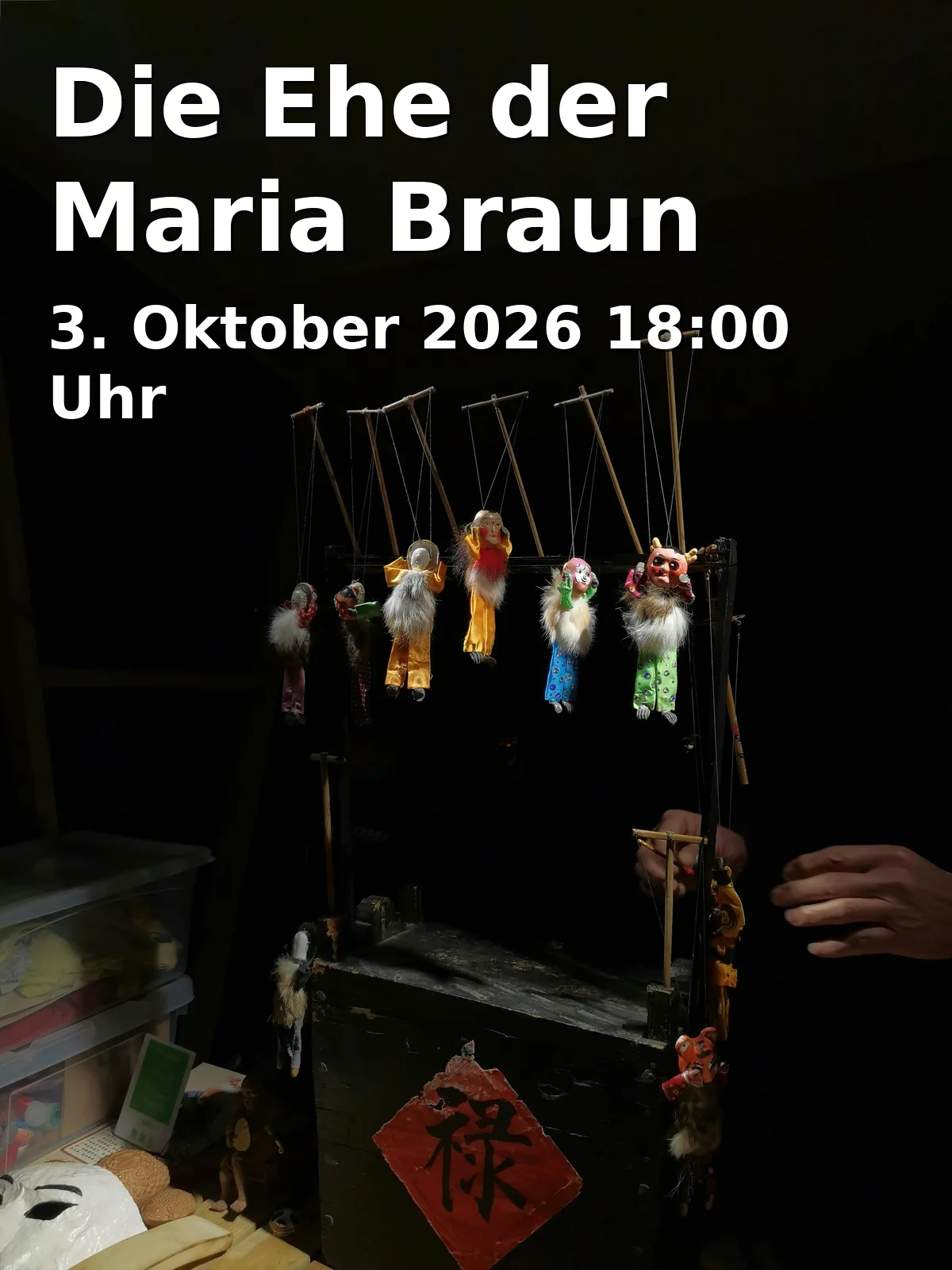
Rainer Werner Fassbinder
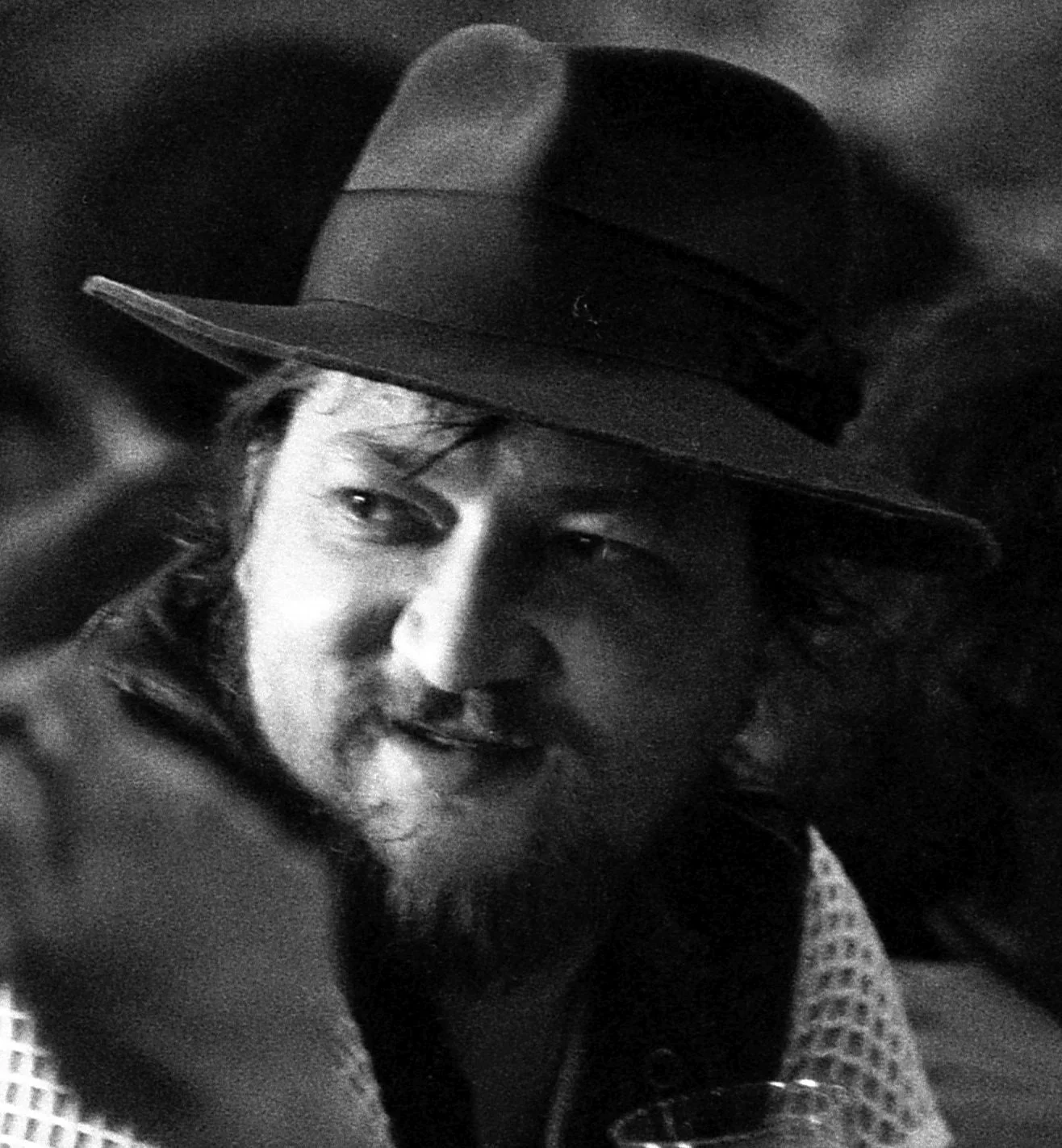
Image from Wikipedia
Image from Wikipedia
Rainer Werner Fassbinder – the radical genius of the New German Cinema
An artist who redefined cinema, theater, and society
Rainer Werner Fassbinder was one of the most influential figures in post-war German cinema and an exceptional case in the cultural history of the Federal Republic. Born on May 31, 1945, in Bad Wörishofen and died on June 10, 1982, in Munich, he condensed an oeuvre of extraordinary force, discipline, and tension into just 37 years of life. His music career in the conventional sense was never at the center of his work, yet his roles as a filmmaker, playwright, actor, screenwriter, producer, and composer made him a total artist of rare consistency.
Fassbinder worked at a speed that has become legendary in German film history. In about 14 years, he created 44 films, including multi-part television productions, as well as numerous plays, radio plays, and screenplays. His works combine emotional ruthlessness with precise social observation, significantly shaping the image of the New German Cinema internationally. To watch Fassbinder is to encounter not an easy classic but an artist who consciously sought friction and shaped it into form.
Biography: Early years, artistic influence, and emergence
Fassbinder grew up in a post-war reality characterized by new beginnings, repression, and social tension. This experience permeates his later works, as does his fascination with milieus on the fringes of society. From an early age, he exhibited a strong urge for artistic self-assertion, leading him toward theater, film, and writing.
A crucial step was his co-founding of the Münchner antitheater, which drew attention with unconventional forms. Here, the style of an artist emerged who relied not on harmonious units but on intensification, conflict, and emotional authenticity. This environment became a laboratory for his later film aesthetics, which were always fed by the direct experience of ensemble work and collective production.
The breakthrough: From early cinema to international authority
Fassbinder achieved a cinematic breakthrough early on and with remarkable clarity. His second film in 1969, Katzelmacher, garnered him attention and awards, including the Film Critics' Award, the Award of the German Academy of Performing Arts, and the German Film Award. From the start, his cinema was not only formally independent but also thematically precise: it displayed social hierarchies, power dynamics, desire, and dependency in a language that was both cool and passionate.
The Rainer Werner Fassbinder Foundation describes him as the most significant director of the New German Cinema, which he also helped achieve international recognition. This classification is supported by the breadth of his oeuvre: Fassbinder wrote, directed, produced, and acted to an extent that made him a central driving force in German film culture. His productivity was never merely quantity but rather an expression of an uncompromising artistic stance.
Works for cinema and television: The grand narrative
Fassbinder was among those filmmakers who did not pit cinema against television but understood both media as equally valid spaces for storytelling. His most well-known works include The Bitter Tears of Petra von Kant (1972), World on a Wire (1973), Fear Eats the Soul (1974), and the monumental television series Berlin Alexanderplatz (1980). These titles showcase the range of his work: from chamber plays and melodramas to grand social forms.
His films are among the most important social documents from the late 1960s to the early 1980s. They grapple with the Nazi past, the economic miracle, the stagnation of bourgeois morality, and the terror of the RAF, without ever exhausting themselves in mere topicality. Fassbinder made visible the German post-war experience by depicting emotions, spaces, and power structures with both analytical coldness and deep empathy.
The artistic signature: Emotion as a conflict zone
The central theme of his work was the “exploitable nature of feelings.” In doing so, Fassbinder touched on a core aspect of modern societal experience: love, closeness, loyalty, and longing do not appear in his films as secure values but as vulnerable resources. This perspective also shapes his characters, who are often trapped between dependency, desire, and social coldness.
His gaze particularly focused on outsider figures within the city. Guest workers, prisoners, homosexuals, women in hopeless relationships, and individuals in precarious social conditions are not portrayed as marginal figures but as carriers of a painful truth. Fassbinder's strength lay in making societal conflicts visible through intimate relationships, thereby making politics tangible in the private sphere.
Productivity, pressure, and personal abysses
Fassbinder's pace of work was extraordinary, but his rhythm of life became increasingly destructive. The enormous pressure he placed on himself led to severe dependencies on cocaine and stimulants as well as tranquilizers throughout his career; additionally, he was an alcoholic. This development constitutes a dark side of an oeuvre that achieved immense density in a very short time.
His early death in 1982 marks the end of an era in film history for many. That such a productive, contentious, and stylistically clear artist died at just 37 years old has only intensified his posthumous fame. It is precisely the combination of creative ecstasy and self-destruction that makes Fassbinder a figure who continues to fascinate and disturb culturally even today.
Discography, music, and sound as part of the overall work
Although Fassbinder was not a musician in the classical sense, music played a central role in his work. Historical records name him as a composer, lyricist, and author of radio plays, among other roles. In his films, sound is never merely an accompaniment but a dramatic tool: music structures emotion, creates contrasts, and intensifies the social tension of a scene.
In terms of an expanded discography of his overall work, it is noteworthy how consistently Fassbinder thought about audiovisual levels together. His films work with choreography, rhythm, and repetition, often almost like musical motifs. This creates a form of composition in which image, language, and sound respond to each other, transforming the narrative into precisely set tension arcs.
Critical reception and cultural influence
Fassbinder was highly controversial during his lifetime yet was also recognized internationally early on. The Foundation emphasizes that his work achieved the rare combination of radical subjectivity and audience proximity. This dual effect explains why his films remain present in research, cinema, and theater to this day: they are accessible enough to captivate, yet complex enough to allow for new interpretations.
His influence extends far beyond German cinema. The New German Cinema gained visibility and aesthetic sharpness through him; at the same time, Fassbinder became a reference point for later generations of directors who work with melodrama, social criticism, and formal rigor. His works are regarded as key texts of a culture that could not leave its past behind and derived its artistic urgency from this very fact.
Aftermath: Archives, foundations, and ongoing presence
To this day, Fassbinder's work is institutionally maintained and newly explored. The Rainer Werner Fassbinder Foundation preserves, restores, and disseminates his artistic legacy and manages the rights to film, theater, and textual materials. The DFF Fassbinder Center, opened in 2019 in Frankfurt am Main, provides access to archival materials and original manuscripts, making his working methods comprehensible for research and the audience.
Current activities surrounding Fassbinder show that his work does not seem finished but continues to be read, discussed, and shown. Events, restorations, and new publications keep the engagement alive. This is where his enduring power lies: Fassbinder remains an artist who explains the present because he has made conflicts, desires, and power visible with relentless precision.
Conclusion: Why Fassbinder still electrifies today
Rainer Werner Fassbinder is exciting because he never understood art as a comfort zone. His work is uncompromising, emotional, political, and formally precise, while also full of vulnerability and contradiction. Those who watch his films experience not only German film history but a radical study of love, violence, dependency, and social order.
His legacy continues to challenge and reward with intense discoveries. Fassbinder remains a benchmark for artistic consistency, for productive unrest, and for a cinema that does not calm the world but makes it visible. Anyone seeking great film art should not only know Fassbinder but experience him.
Official channels of Rainer Werner Fassbinder:
- Instagram: no official profile found
- Facebook: no official profile found
- YouTube: no official profile found
- Spotify: no official profile found
- TikTok: no official profile found
Sources:
- Rainer Werner Fassbinder Foundation – About R.W. Fassbinder
- Rainer Werner Fassbinder Foundation – Purpose of the Foundation
- Rainer Werner Fassbinder Foundation – The DFF Fassbinder Center
- Living Museum Online (LeMO) – Biography of Rainer Werner Fassbinder
- German Film House – Rainer Werner Fassbinder, Biography
- Deutsche Welle – What defined filmmaker Rainer Werner Fassbinder
- Wikipedia – Rainer Werner Fassbinder
Upcoming Events

"Rainer & Hanna" – Photographs of the German Film World of the 70s by Michael Friedel
The Marriage of Maria Braun
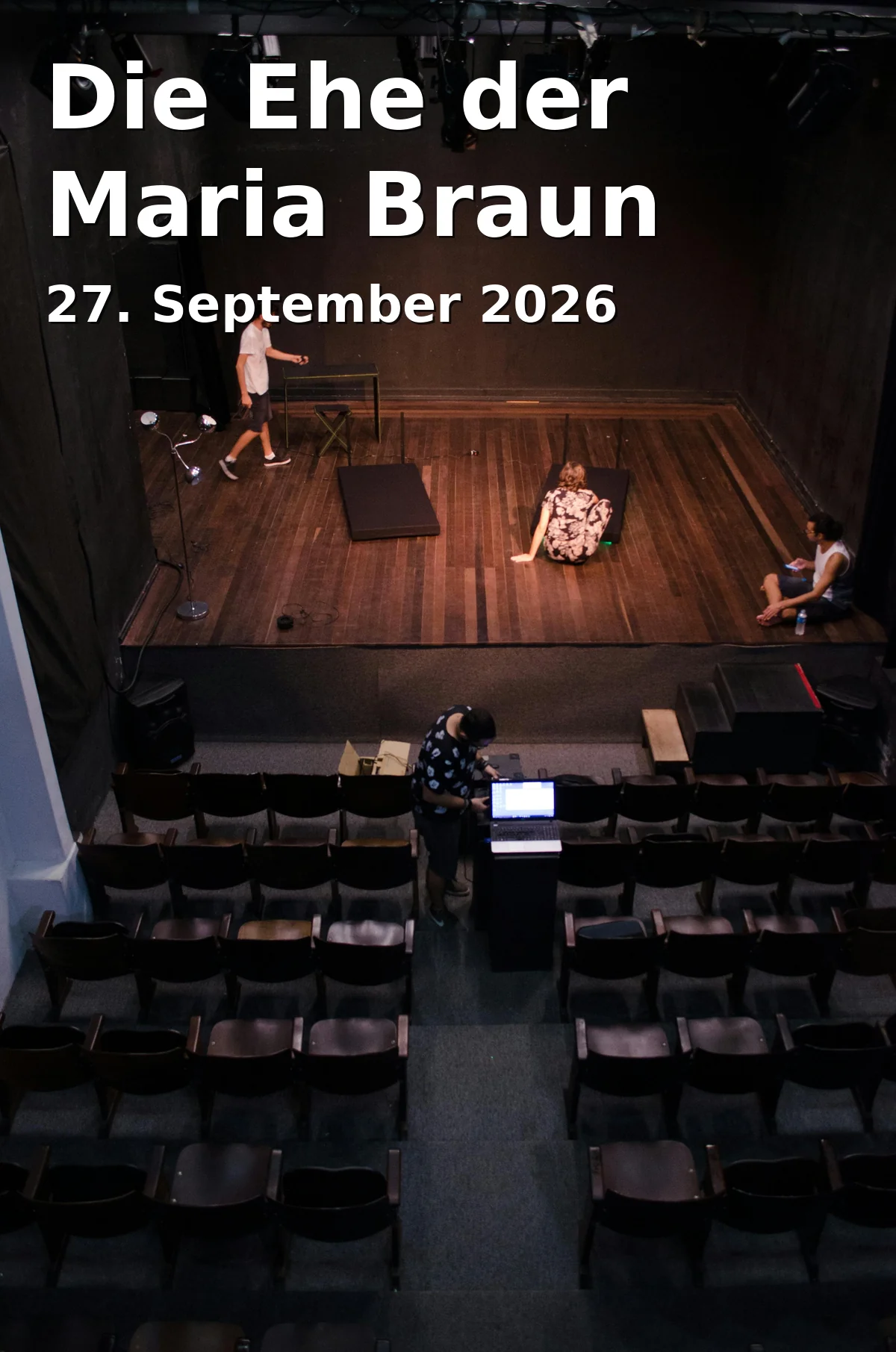
The Marriage of Maria Braun
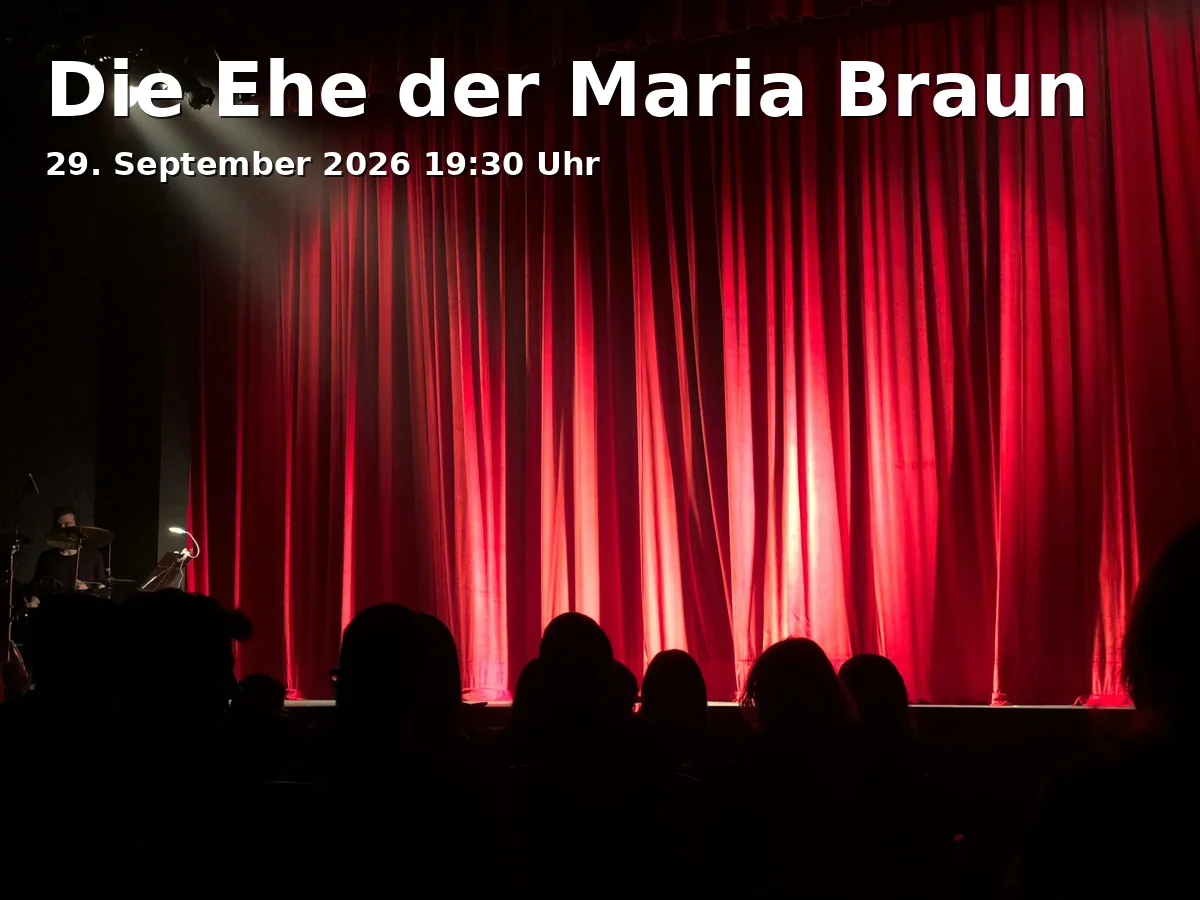
The Marriage of Maria Braun