
Hans Well
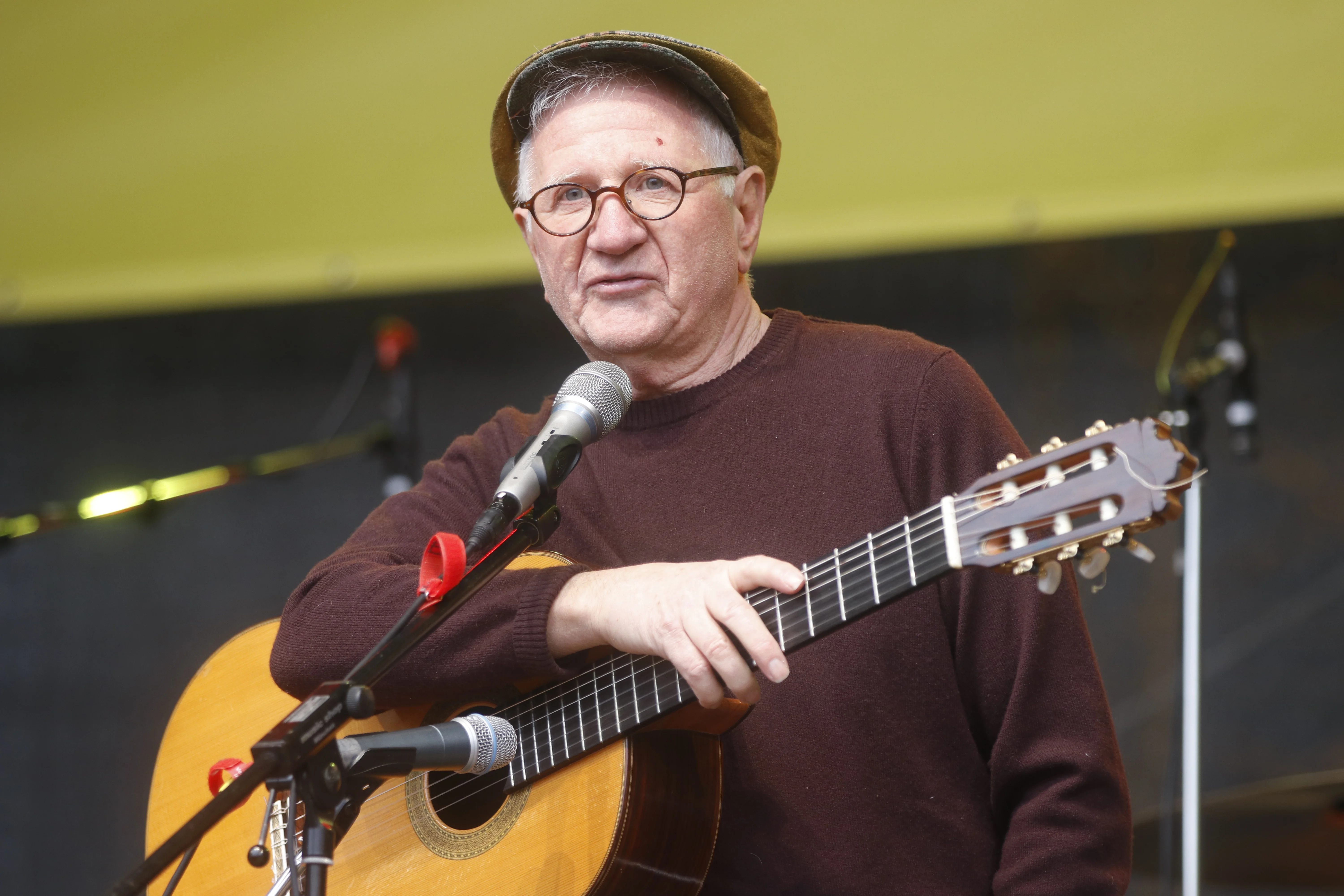
Image from Wikipedia
Image from Wikipedia
Hans Well – Satirist, Folk Music Innovator, and Chronicler of Bavarian Reality
From the Village of Günzlhofen to the Big Stages: How Hans Well Redefined Satire with Wit, Folk Music, and Stance
Hans Well, born on May 1, 1953, in Willprechtszell and raised in the large Well family in Günzlhofen, is one of the defining voices of the Bavarian music cabaret scene. He gained fame as the lyricist and multi-instrumentalist of Biermösl Blosn and later continued his music career with "Hans Well & Wellbappn" – initially with his children, and from April 2024 in a new trio formation. With sharp-tongued Gstanzln, political satire, and a deep understanding of folk music, Well combines stage presence, composition, and arrangement into musical theater that entertains intelligently and engages socially.
His artistic development remains closely tied to Bavaria, folk music, and contemporary satire. Whether it’s the alphorn, the steirische harmonika, or the guitar: Well's instrumentation is characterized by tonal diversity, and his lyrics express a clear stance. As an author, musician, and cultural critic, he navigates confidently between tradition and modernity – shaping the discourse on homeland, politics, and culture for decades.
Origins, Education, and Early Musical Steps
Coming from a family of 15 teachers, Hans Well learned to make music together at an early age – a school of listening, arranging, and improvising. He studied German philology and history; this academic background sharpened his historical consciousness and the linguistic precision that marks his satirical writing to this day. In the 1970s, his musical direction became clear: folk music not as a backdrop, but as a vibrant language of a region – open to contradiction, irony, and counter-narratives.
This artistic development logically led to the connection between music and political observation. Early stage experience in pubs and cultural houses honed Well's stage presence: Direct engagement, precise timing in punchlines, and the integration of local themes became hallmarks of his performances.
Breakthrough with Biermösl Blosn: Satire, Dialect, and Musical Signature
In 1976, Biermösl Blosn was formed by brothers Hans, Michael, and Christoph Well – a trio that combined Bavarian folk music with socially critical satire, opening a new chapter called "New Folk Music". Characteristic features included dialect texts, the interplay of traditional playing styles with political sharpness, and unusual instrumentations ranging from alphorns to harps. Well's role as a lyricist and an intellectual driving force was central: He established himself as an author who condensed dialect, rhyme, and historical allusions into pointed social satire.
The artistic breakthrough bore a distinct signature: pointed parody, clear stance, and compositional diversity. An early signature piece became the satirical reworking of the Bavarian anthem "Gott mit dir, du Land der BayWa", which exemplarily showcased the ambivalence between folk music idyll and political reality. The Blosn repeatedly collaborated with notable cabaret artists – a collective effort that also sharpened Well's arranging skills.
Lyricist, Arranger, Multi-Instrumentalist: The Art of Political Song
As a lyricist for Biermösl Blosn – and later for his own projects – Well combines artistic development with documentary accuracy. Themes such as agriculture, media, church, or state politics take musical form under his pen: as Gstanzl, polkas, moritat, or reggae influences. In arrangements, he utilizes the characteristic sound colors of the ziach, viola, tuba, alphorn, and saxophone to create semantic contrasts: idealized sounds carry biting lyrics – a conscious separation of surface and underlying structure.
This aesthetic showcases a profound understanding of composition and production in the acoustic setting of folk music. The live arrangement remains palpable: songs are shaped so that they function rhetorically – with clear articulation, catchy refrains, and dramatic tempo changes. The stage becomes a "reading session" for political discourses – with humor as the hinge.
After the Dissolution in 2012: „Hans Well & Wellbappn“ – Family Project and New Formation
After the end of Biermösl Blosn in January 2012, Well continued his work with "Hans Well & Wellbappn". Initially, he played with his children Sarah, Tabea, and Jonas – a consistent advancement of the family and folk music tradition. In 2017, the ensemble was awarded the audience prize "Unterföhringer Mohr" – a significant indicator of stage impact and audience connection.
Since April 2024, the project continues in a new trio formation: Together with Sarah Well and the hammered dulcimer virtuoso Komalé Akakpo, Hans Well develops fresh programs that connect the well-known satirical sharpness with new sound colors. The artistic profile remains: Locally themed Gstanzln, current politics, and playful instrument changes define the repertoire – always close to topical events, always musically cohesive.
Discography and Reception: From „unterbayernüberbayern“ to „Didl‑Dudl“
The discography reflects the evolution from trio collective to family formation. With "unterbayernüberbayern" (2013), the Wellbappn released an early recording that carried the signature of political song into the post-Blosn era. In 2020, "Didl‑Dudl" followed, which was lauded in the feuilleton as a dense, lyrically strong album: Critics highlighted the poetic density, the thematic range from climate change to digitization, and the musical balance between traditional folk tunes, Gstanzln, and contemporary influences.
The works of Biermösl Blosn remain reference points. Their albums - notably "Grüß Gott, mein Bayernland" (1982) - and songs like "Gott mit dir, du Land der BayWa" shaped the understanding of political folk music in the German-speaking world and continue to represent a repertoire tradition that Well significantly shaped as an author. Reviews and press materials emphasize the continuity between Blosn and Wellbappn: the same linguistic precision, new arrangements, new voices.
Style, Genre, Instrumentation: New Folk Music with Satirical Depth
Musically, Hans Well positions himself in the tension field of folk music, chanson, and cabaret. The formal diversity – strophic songs, Gstanzl, moritaten, spoken-word passages, a cappella sections – merges with an acoustic production that brings together vocals, ziach, strings, hammered dulcimer, tuba, and alphorn in chamber music arrangements. The humor often lies in the counterpoint: seemingly harmless sound colors carry texts that operate with irony and facts; musical quotes become cultural-historical commentaries.
In this combination, Well's expertise in composition and arrangement shines through. His music is "articulate" – it expresses positions without sacrificing musicality. Especially live, dramatic arcs emerge where local references and improvised humor involve the audience. Thus, a stage aesthetic is created that unites feuilleton sharpness with pub immediacy.
Stage Presence and Live Experience: The Direct Connection to the Audience
Well's performances thrive on the interplay between narrative miniatures, satirical choruses, and instrumental interludes. The audience is drawn into the "arrangement" – rhythmic clapping in irregular meters, spontaneous call-and-response moments, local references in the opening Gstanzl. The music-making practice remains dynamic: instruments are swapped rapidly, tonal colors overlap, solos create space for spontaneity.
This live design gives the programs a high contrast density. Style breaks – from ländler groove to reggae offbeat, from polka drive to ballad-like moritat – serve as dramatic accents. The result is a concert that unites political reflection and collective laughter – without a pedagogical finger-wagging but with the seduction of the musicianship.
Cultural Influence: From Parody to Provincial Chronicle
Hans Well has profoundly expanded the image of "Bavarian folk music": away from folklore idyll and towards a critical aural discourse on the present. His texts shift perspectives – from festival tents to the feuilleton, from local politics to the historical context. In doing so, he serves as a chronicler: albums, programs, and songs become time documents that anchor regional stories in the national discourse.
This cultural influence is also reflected in the reception: Honors in the music press, cultural-historical classifications, and festival appearances confirm the authority of an artist who understands folk music as "public language." Awards such as the Unterföhringer Audience Prize highlight how strongly this art resonates with audiences across generations.
Current Projects 2024–2026: New Trio Formation, Tours, and Videos
Since April 2024, "Hans Well & die Wellbappn" has been performing in a new trio formation with Sarah Well and Komalé Akakpo. The programs address contemporary topics – from regional politics to international conflicts – in new arrangements; the hammered dulcimer forms a distinctive sound axis. In 2025/2026, press archives and event announcements document the active performance schedule: guest appearances in Bavaria and beyond, featuring locally themed Gstanzln as a signature move.
At the same time, the ensemble maintains its video series – from satirical miniatures to live recordings. Pieces like "Gott mit dir, du Land der BayWa (rework)", the "Wutbürger March", or Passion parodies demonstrate how the group continuously updates its repertoire. The combination of contemporary satire, regional narrative tradition, and chamber music production remains the common thread.
Awards, Publications, and Authorship
Well's authority stems from decades of stage practice and journalistic work. His book "35 Jahre Biermösl Blosn" (2013) is both an autobiography and a band chronicle – a documentary look at artistic development, conflicts, and the political landscape of Bavaria. As a lyricist, he shaped the stylistic identity of the Blosn and later the Wellbappn; as a musician, he stands for the refinement of traditional forms into contemporary satire.
The "Unterföhringer Mohr" award (2017) underscores the audience resonance of the Wellbappn and the enduring quality of their programs. Recent press reviews particularly highlight the multi-instrumentality, textual density, and pointed direction of Hans Well – a combination that consistently advances his artistic development.
Conclusion: Why Hans Well Is More Important Than Ever Today
Hans Well transforms folk music into a critical discourse on the present – with humor, craftsmanship, and historical depth. His discography, his programs, and his stage presence connect the local with the universal, laughter with thought. Those who want to understand how music and satire can enliven public debate experience it with "Hans Well & den Wellbappn". Recommendation: See live – for the texts, the instrument changes, and the unmistakable tone that captures both Bavaria and the world.
Official Channels of Hans Well:
- Instagram: No official profile found
- Facebook: No official profile found
- YouTube: No official profile found
- Spotify: No official profile found
- TikTok: No official profile found
Sources:
- Hans Well & Wellbappn – Official Website
- Hans Well & Wellbappn – About Us
- Hans Well & Wellbappn – Press Archive (Reviews and Press Statements)
- Hans Well & Wellbappn – Current Events (new trio formation since April 2024)
- Hans Well & Wellbappn – Videos & Audio (current pieces and recordings)
- Wikipedia – Hans Well
- Wikipedia – Biermösl Blosn
- Antje Kunstmann Publishing – 35 Jahre Biermösl Blosn (Book by Hans Well, with Franz Kotteder)
- Historical Dictionary of Bavaria – Biermösl Blosn
- Deutschlandfunk Kultur – Background on Biermösl Blosn and later projects
- Wikipedia: Image and text source
Upcoming Events
Hans Well & die Wellbappn – Musical Cabaret
Hans Well & the Wellbappn – Music Cabaret
Hans Well & Wellbappn
DEMOCRACY & PROTEST MOVEMENTS - 40 YEARS WACKERSDORF: RESISTANCE OF CIVIL SOCIETY
Hans Well and the Wellbappn
Hans Well & Wellbappn