
Genesis (Band)
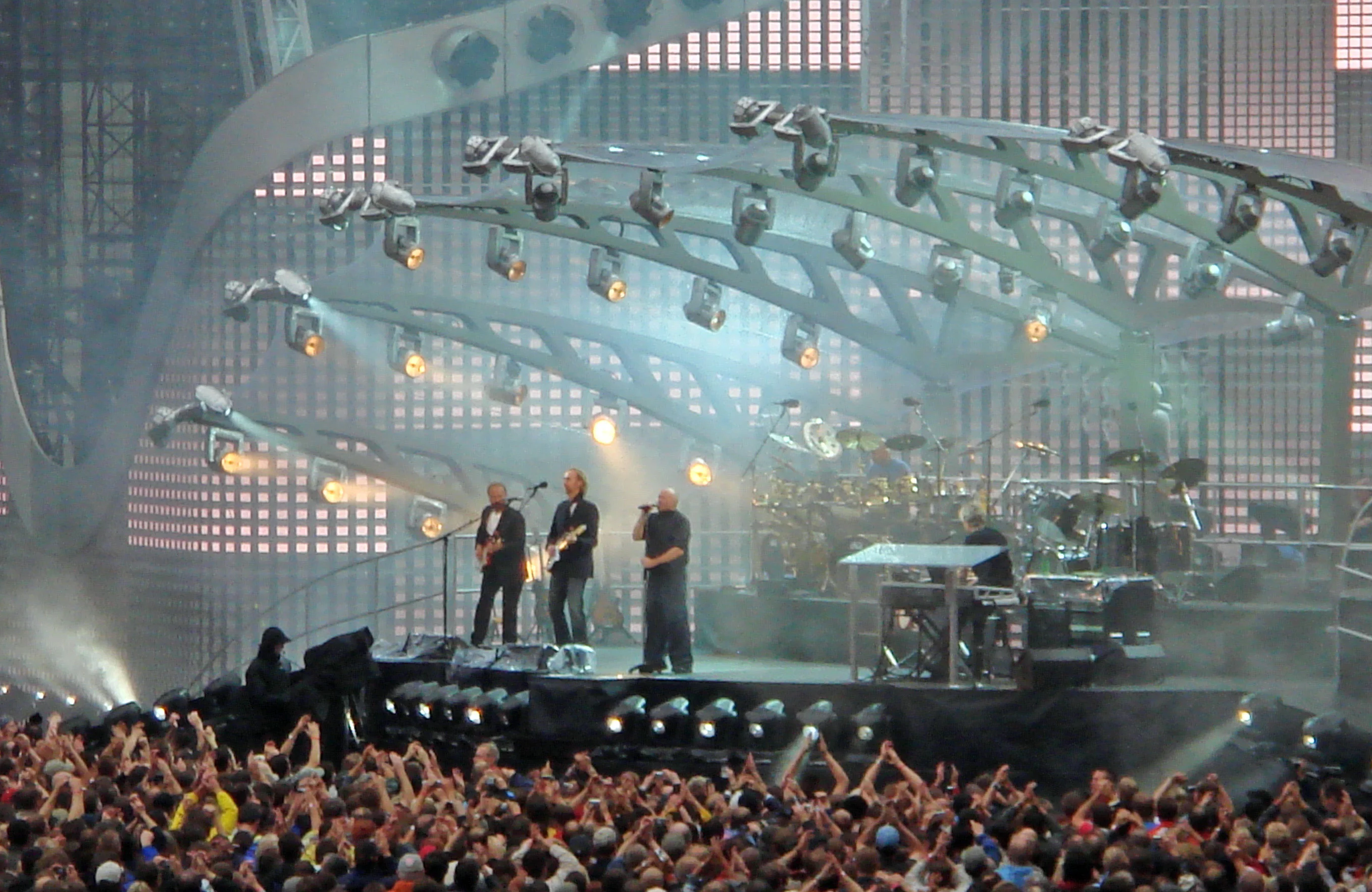
Image from Wikipedia
Image from Wikipedia
Genesis (Band) – Progressive Icons, Pop Pioneers, and Eternal Sound Architects
From School Band to Global Success: The Story of a Formation that Shaped Progressive Rock and Redefined the Mainstream
Genesis was more than a successful British rock band: it was a laboratory for musical ideas, a catalyst for artistic development, and a seismograph for the transformation of progressive rock into radio-friendly pop without a loss of quality. Founded in 1967 at Charterhouse School, the group made music history – initially with epic concepts, intricate arrangements, and theatrical stage presence, later with elegantly produced hits that conquered global charts. Over 150 million albums sold, an induction into the Rock and Roll Hall of Fame (2010), and generations of musicians citing Genesis as an influence underline the extraordinary authority and cultural charisma of this band.
Beginnings and Progressive Vision: The Late 1960s to Early 1970s
The early phase of Genesis marked an artistic quest for form, dramaturgy, and timbre. The band refined its songwriting with expansive compositions, rhythmic shifts, thematic development, and narrative arcs – a signature that quickly made them a central representative of progressive rock. Recordings from this period showed how organically acoustic guitar, Mellotron, organ, and electric guitar intertwined to create orchestral tableaux. The interplay of composition and arrangement, sound painting, and literarily influenced lyrics defined an aesthetic ideal that profoundly shaped the 1970s prog scene.
A significant factor was the close cooperation of the songwriters within the band collective. Early on, musical motifs crystallized that grew into extended suites during live performances. This musical career early on displayed a deep understanding of structure, dynamics, and production that later allowed Genesis to cross genre boundaries without losing their identity.
The Gabriel Era: Conceptual Art, Masquerades, and Grand Narratives
With Peter Gabriel as frontman, Genesis combined progressive sound architecture with an impressive stage presence. Masks, costumes, and visual symbols transformed their concerts into total works of art, where performance, light, and music formed a cohesive unit. Concept albums and long tracks – with complex structures, harmonic boldness, and lyrical density – elevated the band into a league with the most ambitious art-rock projects of their time. The audience experienced not just songs but musical theater pieces that conveyed a message: art can think big, take risks, and intensify emotions through form and sound.
This era established the band as trendsetters: polyphonic guitar and keyboard dialogues, a distinctive harmonic language, virtuosic drumming, and soundscapes that pushed studio productions into the cinematic sphere. At the same time, a canon of pieces emerged that still serve as references for progressive rock today.
Reorganization and Pop Era: Banks, Collins, Rutherford as a Stylistic Trio
After the departure of Peter Gabriel (1975) and Steve Hackett (1977), the artistic direction changed. The remaining trio – Tony Banks, Phil Collins, and Mike Rutherford – continued to write from a collective impulse, focusing their form, embracing hooklines, grooves, and radio-friendliness. This phase marked not a break but a condensation: arrangements remained precise, production gained clarity and pressure, and the sound moved closer to pop-rock and soft-rock – with a distinctive touch on keyboards, elastic bass and guitar work, and Phil Collins’ versatile emotional voice.
Instead of epic suites, compact song structures now dominated, where dynamic breaks were subtly integrated. The result was a series of international successes that made the band one of the largest pop-rock formations in the world during the 1980s and early 1990s – without sacrificing the aura of their artistic origins.
“Invisible Touch” and Global Dominance: Studio Craft, Groove, and Chart Records
With the album “Invisible Touch,” the trio condensed their pop architecture into flawless singles that masterfully blended song dramaturgy, production, and radio appeal. The title track became the band's first and only No. 1 in the USA in 1986, flanked by four additional top-5 singles from the same album – an unprecedented achievement for a British rock band in the US market. The album dominated the UK charts, firmly establishing the band in the mainstream, while retaining their instrumental attention to detail.
From a production standpoint, Genesis focused on a precise balance between analog pressure and contemporary studio techniques: sequenced patterns, airy keyboard layers, pointed guitar configurations, and a drum sound that combined pressure and transparency. The interplay of these parameters gave the songs memorability and longevity – on the radio, on MTV, and on the grand stadium stages.
Stage, Sound Design, and Live Aesthetics
Live, Genesis also impressed with a specific dramaturgy: lighting direction, visuals, and a set design that traced dramatic arcs created immersive experiences. The rhythm section benefited from Collins’ dual role as singer and drummer – a sensitivity to timing and accents characterized the performance. The band blended precision with playfulness; complex passages remained coherent, while ballads unfolded intimate tension.
The live catalog, from early recordings to the tour documents of the 1980s/1990s, serves as an archive of the band’s stage presence. Arrangements were often extended in concert contexts with scenic elements, with sound balance consistently exemplary – a textbook case of how the progressive and pop eras can merge on stage.
Solo Paths and Cross-Pollinations: Collins, Rutherford, Banks, and the Genesis DNA
The solo careers of the core members acted as parallel labs for style, composition, and production: Phil Collins’ solo hits, Mike Rutherford’s Mike + The Mechanics, and Tony Banks’ projects expanded the vocabulary from which the trio drew. These interactions bolstered the band’s authority: success outside the group was not divisive but enriching. The discography of Genesis reads like a living document of British pop and rock history, where individual voices refine the collective language.
Culturally, the resonance also grew: in the 1980s charts, Genesis releases frequently stood alongside solo songs by their members – a rare phenomenon that demonstrates the presence of the "Genesis" brand across multiple musical spheres simultaneously.
Late Years, Reunion, and Farewell to the Stage
After Phil Collins left the band in the mid-1990s, the brand remained strong, supported by catalog maintenance, reissues, and live activities. In 2007, Collins returned for a major tour that showcased how intact the chemistry and craftsmanship of the trio remained. A historic milestone followed on March 15, 2010, with their induction into the Rock and Roll Hall of Fame – an official acknowledgment of their artistic development and enduring influence on rock and pop music.
The farewell chapters closed in March 2022 when the end of live activities was announced following the final tour. This clear date does not mark a farewell from cultural memory – on the contrary, it consolidates the history and directs attention to the body of work that continues to win new listeners.
Discography and Reception: From Concept Works to Global Hits
The discography of Genesis can be broadly divided into two eras: the progressive era with long-form pieces and concept focus, and the trio phase with highly precise pop-rock. Crucial is the continuity in songwriting and production. The albums of the 1980s became blueprints for radio-ready rock music that remained harmonically and rhythmically diverse. In reviews, the band is often cited as a rare example of how artistic ambition and mass resonance can productively intertwine.
Chart data from the 1980s documents the international dominance, particularly in the USA and the UK. Songs like “Invisible Touch,” “Land of Confusion,” “In Too Deep,” and “Throwing It All Away” combine catchy qualities with sound design that was at the forefront of studio production of their time. This mix explains the constant presence in streaming catalogs and their transgenerational fan base.
Style, Sound, and Production: Why Genesis Still Sounds Modern Today
From a professional perspective, the band impresses with a specific sense of timing, layered keyboard arrangements, and melodic guitar work that never exhausts itself in virtuosity but prioritizes song service. In production, there is an understanding of depth layering, frequency economy, and dynamics – qualities that particularly come to the fore in the trio phase. The sonic DNA of Genesis has influenced numerous producers and bands navigating between art rock, pop, and soft rock.
Historically, Genesis can be positioned as a connector: the band transported progressive artistic techniques – odd meters, modular forms, thematic development – into the format of a global pop discourse. This bridging is among the rare achievements in rock history.
Current Editions and Catalog Maintenance
Even after the end of live activities, the catalog remains dynamic. Among the recent projects is a lavish anniversary edition of one of the band's key albums, accompanied by high-quality remasters and expanded content. Such super-deluxe editions – including new mixes, live material, and extensive booklets – showcase how carefully the archive is curated. This creates entry points for collectors and newcomers, making the work and context accessible.
At the same time, digital platforms play a central role: remaster strategies, curated playlists, and box set concepts keep the discography present and facilitate a journey of discovery that leads from the early prog phase to the pop heyday. The resonance in music media underscores the canon status of many albums by the band.
Cultural Influence and Legacy
Genesis inspired a wave of tribute acts that meticulously reconstruct the different eras of the band. At the same time, artists from various genres – from art and prog rock to pop producers – reference the form-conscious yet always emotional songwriting of the group. The Rock and Roll Hall of Fame induction in 2010 institutionally anchored this legacy; the ongoing presence in media and streaming charts demonstrates its vitality. Genesis remains a reference for artistic development that unites ambition and accessibility.
Conclusion
Genesis is compelling because the band masters the rare art of connecting musical intelligence with emotional immediacy. Whether in progressive suites or perfected pop songs – composition, arrangement, and production always serve an idea. Those who love music experience with Genesis the history of a collective that builds soundscapes, layers emotions, and maintains an unquenchable curiosity. Their work belongs on the grand stage – and it is there that it unfolds its full impact. Those who have the chance to hear the music in high-resolution remaster, on surround systems, or in selected live documents understand why this band is part of the DNA of modern rock and pop music.
Official Channels of Genesis:
- Instagram: No official profile found
- Facebook: No official profile found
- YouTube: No official profile found
- Spotify: No official profile found
- TikTok: No official profile found
Sources:
- Genesis – The Official Site
- Rock & Roll Hall of Fame – Genesis (Induction 2010)
- Wikipedia (EN) – Genesis (Band)
- Wikipedia (EN) – Invisible Touch (Album) – Chart and Context Data
- Official Charts Company – Genesis: Invisible Touch (Album)
- Variety – Concord Acquires Genesis/Phil Collins Rights (2022)
- Forbes – Concord on the Genesis/Phil Collins Catalog Deal
- Chartmasters – Genesis: Albums & Songs Sales (Analysis)
- Wikipedia: Image and Text Source
Upcoming Events
GENESIS – Immersive Light Show at the Karlskirche Kassel
GENESIS in the Karlskirche Kassel