Outdoor Sports in Ansbach: Jogging, Cycling & Calisthenics
Outdoor Sports in Ansbach 2026: Jogging, Cycling, Calisthenics & Yoga in the Open Air
Do you want to bring more movement into your everyday life in Ansbach in 2026—without a gym, without fixed opening hours? This guide compiles the most important outdoor options for the coming months: strength training at freely accessible facilities, running and cycling ideas for various levels, as well as ways to safely plan yoga in the green.
Calisthenics & Outdoor Fitness: How to Use the Facilities Effectively
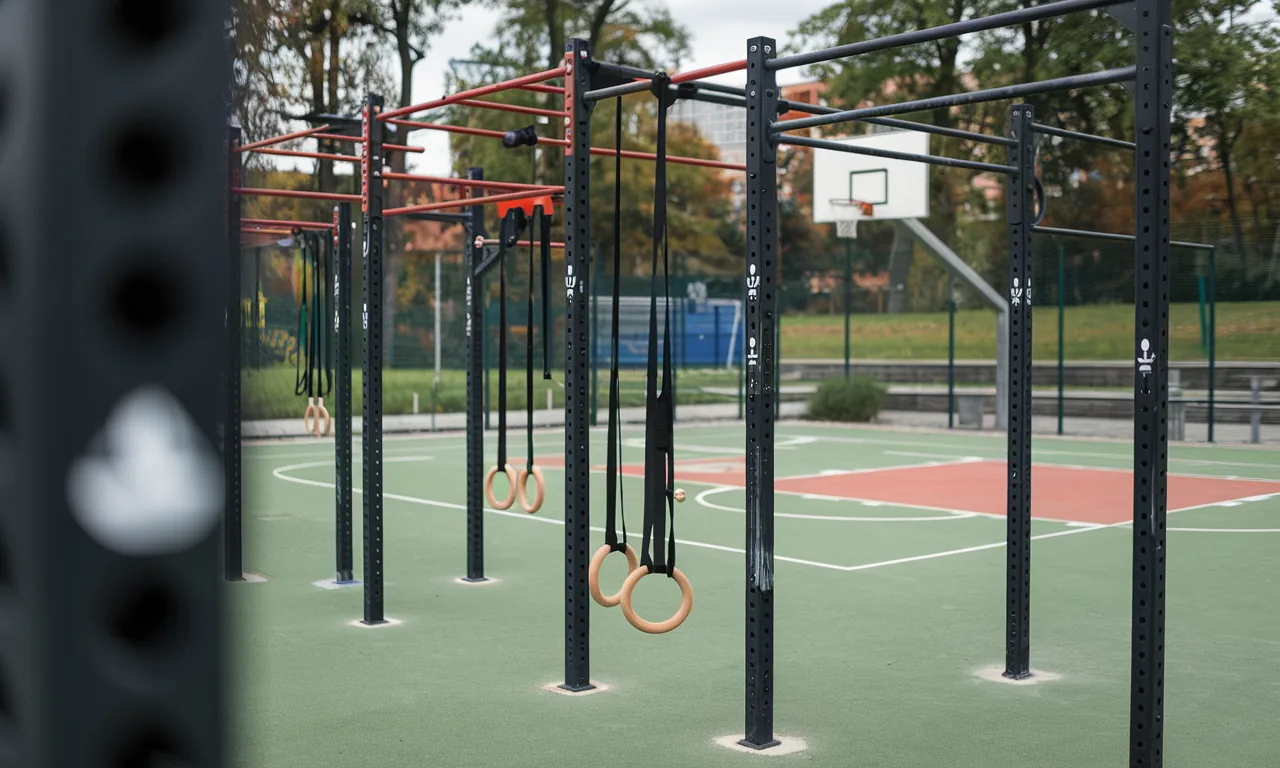
In Ansbach, freely accessible outdoor fitness and calisthenics stations are available, which are particularly suitable for training with your own body weight. For 2026, it’s worth not just “trying them out,” but using them with a simple plan—this way, you’ll see measurable progress.
A 30-Minute Plan for the Coming Weeks (Beginner-Friendly)
- 5–7 minutes warm-up: brisk walking, light jogging, arm circles, hip circles.
- Main part (2–3 rounds):
- Assisted pull-up or negative pull-up (slow lowering): 3–6 reps
- Push-ups (can also be done elevated on a bar): 6–12 reps
- Dips (possibly with a shorter range of motion): 3–8 reps
- Squats (bodyweight): 10–15 reps
- Forearm plank: 20–40 seconds
- 3–5 minutes cool-down: slow walking, calf and hip flexor stretching.
Progression for Summer & Fall 2026 (Without Overload)
Once you’ve trained consistently for 2–3 weeks, increase only one variable at a time:
- More repetitions (first), or
- More rounds (e.g., from 2 to 3), or
- More difficult variation (e.g., from elevated to regular push-ups).
This keeps the load controlled—and reduces the risk of overuse injuries to the shoulder, elbow, and wrist.
How to Recognize “Good” Form
- Pain-free: muscle exertion is normal, sharp joint pain is not.
- Controlled movement: better to go slower and cleaner than fast and sloppy.
- Core tension: especially for dips, pull-ups, planks.
Jogging 2026: Training Ideas Instead of Rigid “Favorite Routes”
For the coming months, one approach is particularly practical: instead of committing to a single route, use route modules (short, medium, long) that you can combine depending on how you feel that day. This fits changing weather, daylight, and schedule.
3 Modules for Your Week
- Short & easy (20–35 min.): conversational pace, ideal as an after-work run.
- Quality (20–45 min.): e.g., 6× (1 min. brisk + 2 min. easy) after warm-up.
- Longer & steady (45–75 min.): even pace, focus on endurance.
Practical Planning for 2026
- Heat: run more in the morning/evening, reduce pace, plan for water.
- Fall/Winter: reflective elements, stable shoes, more conservative pace.
- Combining with strength training: After an easy run, 10–15 minutes of bodyweight training is often more efficient than “just” long sessions.
Cycling 2026: Route Planning, Load Management, Safety
The coming months around Ansbach are ideal for regular rides—from short training impulses to longer weekend tours. What matters less is the “perfect” route and more a plan that fits your time budget, fitness, and traffic situation.
Load Management Without Performance Pressure
- Beginners: 45–75 minutes easy, with breaks; focus on routine.
- Advanced: 90–150 minutes, 1–2 sections faster (e.g., 2×10 minutes).
- Ambitious: longer ride + a structured stimulus (e.g., hill intervals), but with enough recovery days.
Staying Safe During the 2026 Season
- Bike check before the ride: brakes, tire pressure, lights/reflectors.
- Nutrition: On longer tours, drink/eat in time, not only “when it’s too late.”
- Weather changes: a light layer against wind/rain can save the ride.
Yoga in the Park 2026: How to Find (or Organize) Sessions
Yoga in the open air is a wish for many—and demand will continue to rise in 2026, especially in the warmer months. Because outdoor sessions are often weather-dependent and can change at short notice, a two-pronged approach is most reliable: 1) actively search and 2) have your own safe mini-routine ready.
How to Find Reliable Info for Upcoming Sessions
- Check official channels: websites and social media pages of local clubs, studios, and course providers in Ansbach (posters/newsletters are often the fastest updates).
- Think seasonally: Many providers announce outdoor sessions as summer or holiday formats—check especially before holidays and during vacation times.
- Ask instead of hoping: A short inquiry (“Are you planning outdoor sessions in 2026?”) is often the quickest way to clear answers.
15-Minute Outdoor Yoga Flow (No Special Knowledge Needed)
- 2 minutes: standing calmly, deep breaths
- 3 minutes: cat-cow (standing or on the ground), gentle mobilization
- 5 minutes: sun salutation variations at a slow pace
- 3 minutes: hip openers (e.g., lunge/low lunge, both sides)
- 2 minutes: lying on your back, short relaxation
Important for outdoors: non-slip mat, enough space, and choose shade rather than direct sun.
Safety, Etiquette & Accessibility: Making Outdoor Sports Work for Everyone
Train Safely
- Warm up before strength or intense running sessions to reduce injury risk.
- Realistic intensity: increase volume/intensity gradually, especially with new exercises.
- Watch the weather: moisture makes bars slippery—then better to do technique training, mobility, or an alternative session.
Etiquette at Outdoor Facilities
- Share: don’t block equipment; take turns if needed.
- Consideration: keep music low, keep paths clear, take your trash with you.
- Cleanliness: towel/disinfect as needed—especially during cold season.
Accessibility in Everyday Life
Not everyone can (or wants to) do pull-ups or long runs. Outdoor sports become suitable for everyday life when alternatives are considered: brisk walking instead of jogging, light strength training with short ranges of motion, mobility exercises on a bench or low bar. This way, beginners, older people, or those returning after a break can get started again—without an “all or nothing” mentality.