Experience Animals Live: Farms & Petting Zoos Ansbach
Experience Animals Live: Upcoming Farm & Petting Zoo Experiences Around Ansbach (Outlook 2026)
What does it feel like when a curious rabbit cautiously sniffs your hand – or when a patient donkey ambles through the Franconian hills at a walking pace? Around Ansbach, such encounters can also be experienced in the coming months: during planned farm tours, petting sessions, pony activities, holiday programs, and selected visiting days at special facilities.
This overview helps you plan future dates better: Which formats are typically announced, which age groups are they suitable for, and what should you pay attention to before booking – so that animal welfare, hygiene, and safety are ensured.
Overview: What Animal Experiences Are Typical Upcoming Offers in the Region?
Many providers around Ansbach bundle their programs seasonally – especially in spring, summer, and autumn 2026 as well as during the Bavarian school holidays 2026. The following formats are frequently announced (depending on the farm and concept):
- Petting and feeding times (usually with supervision/rules so animals are not overwhelmed)
- Guided stable or farm tours with explanations about feeding, husbandry, daily routines
- Pony programs (grooming/brushing, guided riding at a walk, pony experience hours)
- Donkey experiences (guided walks, introductory sessions, possibly sponsorship models)
- Hands-on activities (e.g., farm rallies, crafting with natural materials, child-friendly agriculture modules)
- Group formats for daycares, schools, clubs, as well as children's birthday parties by prior arrangement
Since programs, capacities, and animal groups can change at short notice (e.g., due to weather, animal welfare breaks, or health regulations), it is advisable to check the official announcements of the respective provider shortly before your visit for all experiences.
Upcoming Petting & Animal Contact Offers: What Can Families Expect?
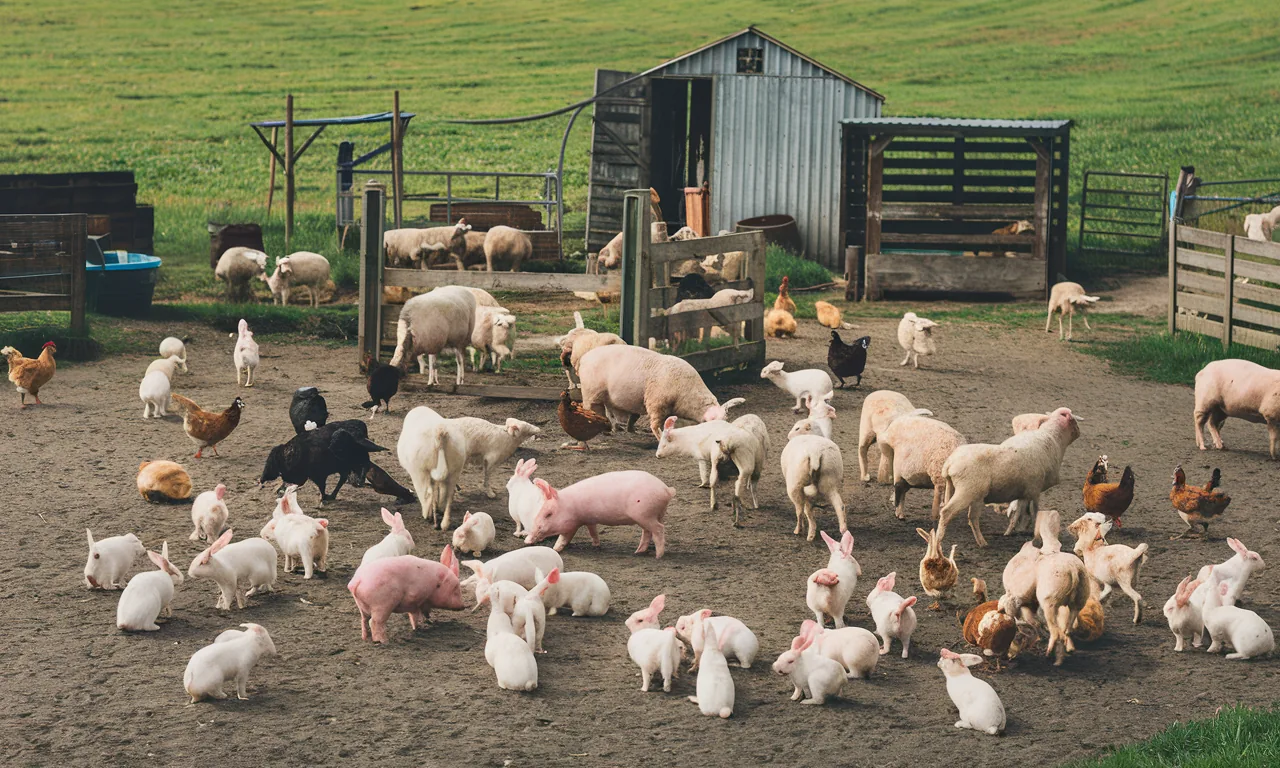
In the Ansbach region, encounters with typical farm animals are among the most popular family activities. For 2026, many experience and educational farms are expected to offer primarily supervised animal contact times, during which rules for feeding and petting are explained.
Typical Animals in Petting Areas
- Rabbits and guinea pigs (often in the small animal area)
- Sheep and goats (often particularly tame, but also very food-oriented)
- Chickens (usually for observing, sometimes with explanations about eggs)
- Farm cats (encounters often happen "incidentally")
- depending on the farm, also mini pigs or calves (usually only in clearly regulated situations)
Especially for children, guided contact can strengthen consideration and mindfulness – best when adults consistently support: quiet approach, no chasing, washing hands, and feeding only as instructed.
Pony Rides & Donkey Walks 2026: How to Plan Stress-Free
Riding and donkey offers are generally booking required and are often announced as fixed time slots or as holiday modules for 2026. Because animals have limited endurance, places are usually limited.
What Is Common with Pony Offers?
- Grooming/brushing as a calm start (helps children build trust)
- Explanation of equipment and safety rules (helmet, distance, calm movements)
- Guided riding at a walk or guided pony rounds – appropriate to age
Why Donkey Experiences Work Well for Many Families
Donkeys react sensitively to hustle and bustle. In planned donkey walks for 2026, the focus is therefore usually on calm walking and leading together – with breaks, clear instructions, and time for questions. For children without riding experience, this is often a particularly gentle introduction to encounters with larger animals.
Hands-On Farm 2026: Agriculture Made Understandable (and Child-Friendly)
Many farms focus their upcoming programs on "learning by experiencing." The emphasis is often less on action and more on short, tangible insights: What does each animal eat? Why do animals need retreats? What work needs to be done daily?
Frequently Announced Modules
- Farm tours with stable visits (with clear walking paths and hygiene rules)
- Feeding explanations (what is allowed and what can make animals sick)
- Child-friendly stations about feed, seasons, and cycles in agriculture
- Play and movement areas as a supplement (important for breaks and younger children)
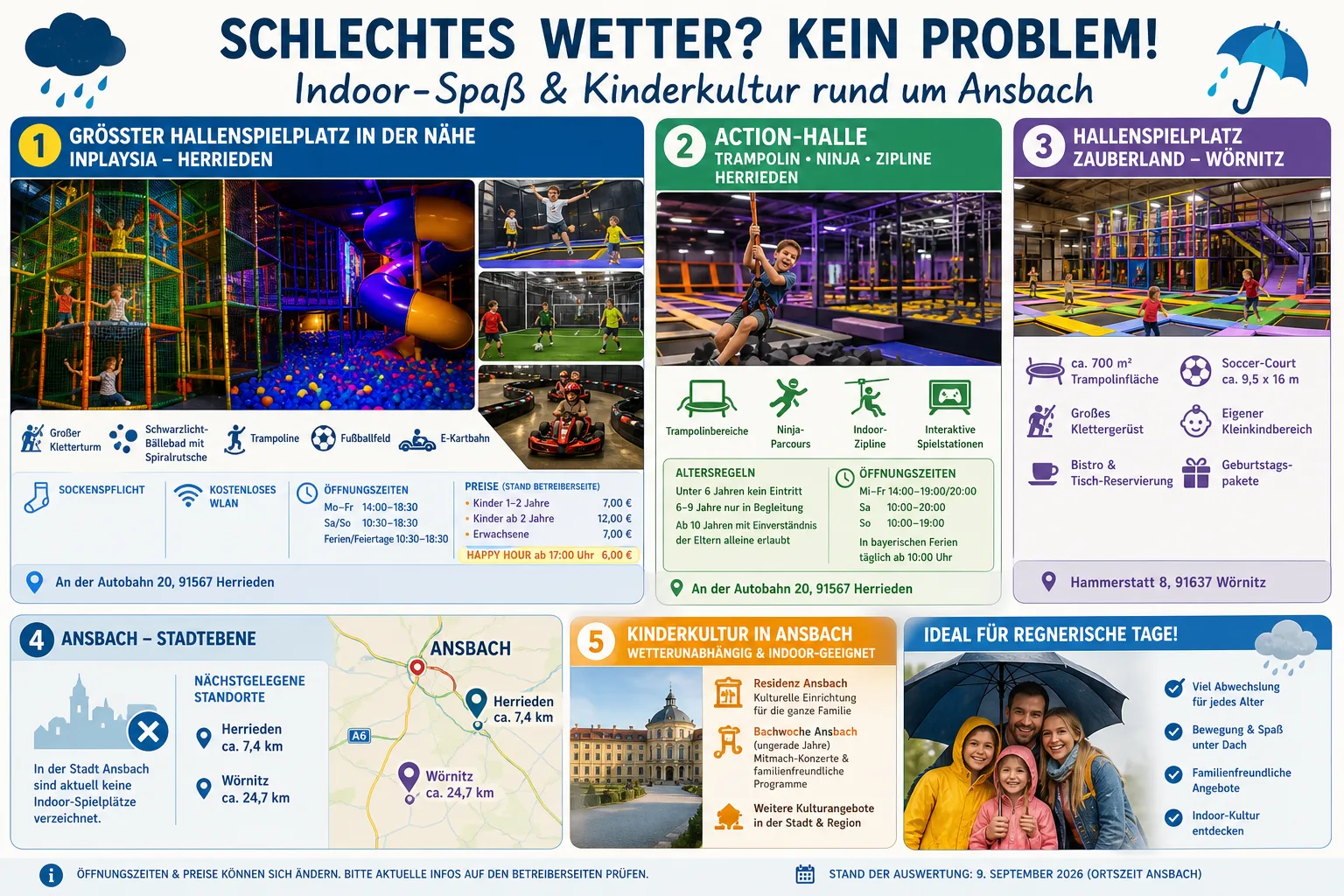
If a farm also offers a covered play area, this is especially practical for 2026: This way, the visit can be planned even in changeable weather, without animals being overwhelmed by constant crowds.
Holiday Programs, Groups & Children's Birthdays: Booking Tips for 2026
For the Bavarian school holidays 2026 (and weekends in the warm season), places are usually allocated early. If you are planning a children's birthday, daycare trip, or school event for 2026, these points will help:
- Ask early: Popular time slots are often booked out well in advance.
- Clarify the framework: Duration, group size, age structure, accompanying persons, and supervision.
- Set content: Prefer fewer program points with rest periods rather than too much in a short time.
- Accept weather and animal welfare rules: Reputable providers adjust programs for heat, rain, or animal health.
- Plan for hygiene: Handwashing facilities and meal breaks separate from the animal area.
Special Look Ahead: Visits to an Animal Rescue Center (Wild Animals Only from a Distance)
In addition to classic farm offers, many families are interested in facilities that take in rescued wild animals. Such visits are typically announced for 2026 as guided appointments or public visiting days, where education and animal protection are the focus.
It is important to set expectations: This is not a petting offer. Reputable rescue centers rely on distance, calm, and clear rules – for the protection of both people and animals.
How to Prepare for a Future Visit Sensibly
- Find out in advance about the officially published visiting conditions and age/safety rules.
- Plan enough time for the tour and information materials – the experience is very knowledge-based.
- Explain to children in advance the difference between pets and wild animals: observe instead of touch.
Day Trip 2026: Zoos & Wildlife Parks Within Reach of Ansbach
If you are planning a full day trip in 2026, zoos and wildlife parks in the wider area can be a good addition. Many facilities publish their upcoming season and holiday programs (e.g., feeding commentaries, themed tours, or species protection activities) in their own event calendars.
For families, a combination can work: a structured animal park visit in the morning, a quiet farm or nature part in the afternoon – but only if enough breaks are planned and children are not "overstimulated."
Practical Tips for Future Animal Excursions Around Ansbach
- Check current notices on the day of your visit: Short-term adjustments are normal in the animal sector (weather, animal health, rest periods).
- Appropriate clothing: sturdy shoes, weatherproof layers; spare clothes for children if necessary.
- Wash hands: consistently after animal contact and before eating – especially for toddlers.
- Feed only according to rules: the wrong food can make animals sick; it can also lead to pushing and stress.
- Respect distance: Do not enter retreat areas and restricted zones; do not pick up or hold animals.
- Calm daily structure: Prefer fewer program points with time to observe rather than a "packed" program.
This way, your next planned excursion will not only be a beautiful day, but also an encounter that takes animal welfare and safety seriously.