
Ansbach
Promenade 27, 91522 Ansbach, Deutschland
Residence Ansbach | Tours & Opening Hours
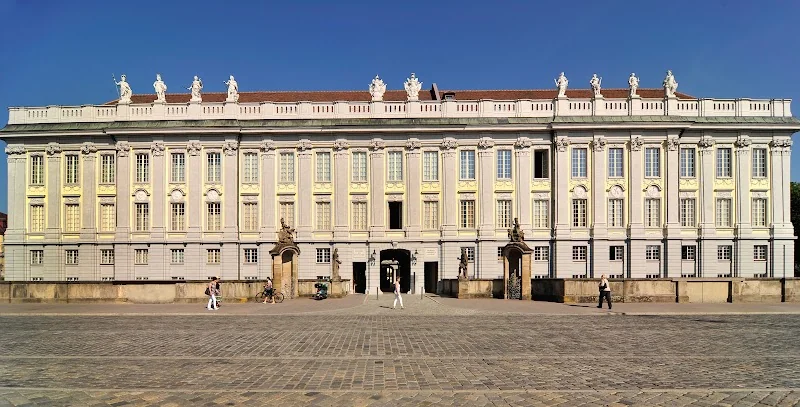
The Residence Ansbach is one of the most impressive historical sites in Middle Franconia, as it can be experienced not only as a palace but as a cohesive ensemble of residence, courtyard garden, and orangery. Those interested in Franconian princely culture, baroque spatial art, and well-preserved original substance will find here a destination that clearly differs from many other palace visits. The official palace administration describes the site as a residence that has preserved its 18th-century character in an exceptionally intact condition. This is precisely what makes the charm of this place: The paths through the rooms, the view into the ceremonial hall, the Gothic Hall, the collections, and then into the courtyard garden create a very complete picture of courtly culture. The location at Promenade 27 is not only central but also conveniently located, as the train station, bus connections, and parking options are in immediate proximity. Therefore, those looking for Residence Ansbach are often not just looking for a museum but a historical experience with clear structure, good accessibility, and many details for cultural travelers, families, architecture enthusiasts, and event visitors. ([schloesser.bayern.de](https://www.schloesser.bayern.de/deutsch/schloss/objekte/ansbach.htm))
Tours, Opening Hours, and Admission to the Residence Ansbach
For planning a visit, the tour times are particularly important, as the state rooms of the residence are not freely accessible but only available as part of a guided tour. The official information states that the residence is open from April to September between 9 AM and 6 PM and from October to March between 10 AM and 4 PM. The residence is usually closed on Mondays, although there are individual holiday exceptions. It is also closed on selected days such as January 1, Shrove Tuesday, and December 24, 25, and 31. The tours start on the hour and last about 50 minutes; the last tour begins in summer at 5 PM and in winter at 3 PM. This allows for good timing of the visit, especially if one wants to combine the tour with a walk through the old town or the courtyard garden. Particularly practical is that the palace administration also mentions special tours upon request. Those traveling with children or looking for thematic content will regularly find family offers and special tours in the event and children's area of the palace administration; registration is done depending on the offer through the residence or the ticket office. ([schloesser.bayern.de](https://www.schloesser.bayern.de/deutsch/schloss/objekte/ansbach.htm))
Admission prices are also clearly regulated. For 2026, the official site states 6 euros regular admission and 5 euros reduced. Children and teenagers up to the age of 18 receive free admission. This is a significant advantage for families, as it keeps the visit well calculable and focuses on the experience rather than high costs. Those who only want to visit the courtyard garden benefit even more, as the garden is freely accessible. The combination of a paid tour in the interior and free stay in the courtyard garden makes the Residence Ansbach a place that works well for both short stops and more extensive cultural programs. In practice, it is advisable to plan a little buffer: Especially during holiday periods or special tours, demand can increase, and the visit to the state rooms depends on the start times of the tours. The official site also points out that there may be restrictions due to restoration work. So, to be safe, one should check the current information before the visit and plan the tour so that it proceeds without haste. ([schloesser.bayern.de](https://www.schloesser.bayern.de/deutsch/schloss/objekte/ansbach.htm))
History of the Residence Ansbach and its State Rooms
The historical depth of the Residence Ansbach begins long before the baroque splendor. The site developed from a medieval castle and residence structure; in the second half of the 16th century, the Gothic Hall with its ribbed vault was created, and between 1705 and 1730, the medieval building structure was transformed into a modern residence. The interior design, which was essentially created between 1734 and 1745 under the artistic direction of Leopoldo Retti, was particularly influential. This early Rococo character makes the rooms so cohesive and high-quality. The fact that the furnishings still appear so homogeneous today is also due to a historical turning point: The last Margrave of Brandenburg-Ansbach abdicated in 1791 and handed over his land to the Kingdom of Prussia. Because the residence was no longer used as a seat of power, there was rarely any reason to fundamentally modernize the state rooms. As a result, a room ensemble has been preserved that is rarely experienced in such cohesion in Germany. Therefore, when entering the residence, one does not move through an arbitrarily restored sight but through a nearly museum-conserved environment of power and living from the 18th century. ([schloesser.bayern.de](https://www.schloesser.bayern.de/deutsch/schloss/objekte/ansbach.htm))
Inside, the most important sequences of rooms are clearly structured: The main floor includes the apartment of the Margrave, that of the Margravine, and the guest apartment. This tripartition refers to the official ceremonial of the residence and makes it understandable how courtly life was organized. Among the outstanding impressions is the ceremonial hall with the ceiling fresco by Carlo Carlone, which is worth a visit on its own. The impression is complemented by the picture gallery with works from the former margravial collection and the mirror cabinet, where the baroque delight in light, reflection, and representation is condensed. The Gothic Hall also plays a special role. It is not only a remnant of the Renaissance building but also houses the significant collection of Ansbach ceramics by Adolf Bayer, which is referred to as the largest collection of faience and porcelain from the former Ansbach manufactory. Additionally, there are extraordinary details such as the mounted margravial horses from the 18th century, which are considered a rare cultural-historical rarity. Thus, the Residence Ansbach becomes not only a place of beautiful rooms but also a place where courtly art, everyday culture, and princely self-representation become visible at the same time. ([schloesser.bayern.de](https://www.schloesser.bayern.de/deutsch/schloss/objekte/ansbach.htm))
The historical significance of the site is also remarkable. The palace administration points out that the residence served as the seat of government for the Margraves of Brandenburg-Ansbach and holds an outstanding position in cultural and historical terms. For visitors, this is not just a footnote of regional history but a central part of the visit experience. The rooms tell how a smaller Franconian court oriented itself in architecture and furnishings to the large courtly centers without losing its independence. For this reason, it is worthwhile to pay attention not only to the grand visual effects during the tour but also to details such as stucco, wall divisions, porcelain, paintings, and spatial axes. Therefore, those who want to understand the Residence Ansbach should not just rush through it in five minutes but consider it as a cohesive work of art in which architectural history, political history, and representation are closely intertwined. This mixture is precisely why the site remains equally interesting for search queries about Residence Ansbach history, Residence Ansbach interior, and Residence Ansbach museum. ([schloesser.bayern.de](https://www.schloesser.bayern.de/deutsch/schloss/objekte/ansbach.htm))
Court Garden Ansbach, Orangery, and Events
The courtyard garden is the second major component of the ensemble and completes the Residence Ansbach. According to the official description, the residence includes a courtyard garden with an orangery, which is spatially separated from the palace complex. Between 1726 and 1743, an orangery with a forecourt and two side-placed linden halls was constructed here. The main axis is formed by double rows of linden high hedges, giving the garden a very clear baroque framework. In spring and summer, the forecourt is planted with flowers according to baroque pattern books, and the orangery showcases an impressive collection of container plants in summer, including lemon, bitter orange, olive, pistachio, bay, and fig trees. Therefore, those looking for Residence Ansbach courtyard garden and orangery will not just find a green space but a historically constructed garden artwork that brings together architecture, plant culture, and court culture. Additionally, there are monuments and memorial plaques for Leonhart Fuchs, Johann Peter Uz, Baron von Benkendorff, and Kaspar Hauser. Since 2001, there has also been a medicinal herb garden that commemorates the 500th birthday of Leonhart Fuchs. This makes the courtyard garden a place with multiple narrative layers: courtly, botanical, literary, and urban historical. ([schloesser.bayern.de](https://www.schloesser.bayern.de/deutsch/garten/objekte/ansbach.htm))
The orangery is now not only garden architecture but also an important event venue. According to the official event pages, it is suitable for weddings, dance events, seated meals, concerts, and receptions, accommodating up to 1,088 people in total use. The dome hall is suitable for seated meals and receptions for a maximum of 300 people, the foyer for receptions and smaller exhibitions for a maximum of 200 people, and the citrus house for civil and free weddings as well as art exhibitions for a maximum of 70 people. The Gothic Hall of the residence, in turn, is suitable for receptions, exhibitions, and readings. Thus, the location is not only of tourist interest but also relevant for cultural events, private celebrations, and representative occasions. Particularly valuable is that the orangery does not function merely as a simple event box but as a historical building with its own character. The palace administration also mentions 360-degree images and floor plans of the rooms with seating variants, which significantly facilitates planning for event organizers. Therefore, those searching for Residence Ansbach ceremonial hall or Residence Ansbach floor plan often end up at a place that combines historical atmosphere with practical event logic. ([schloesser.bayern.de](https://www.schloesser.bayern.de/deutsch/raeume/ueb_ort/ansbach.htm))
For regular visitors, the connection between the residence and the courtyard garden is a significant advantage. After the tour through the state rooms, one can switch to the courtyard garden without additional admission hurdles, view the axes, the forecourt, and the orangery, and significantly extend the visit. Especially in the warm season, the contrast between the strictly ordered interiors and the open garden area is very strong. This combination of architecture, garden art, and diversity of use is a central reason why the Residence Ansbach is often recommended as a cultural and excursion destination in the region. Those looking for events should also keep an eye on the room offerings, as the orangery is designed for different formats and can be used very flexibly. Those planning a quieter city walk can use the courtyard garden as a freely accessible recreational area with historical flair. Both together make the site equally attractive for couples, families, cultural travelers, and event guests. ([schloesser.bayern.de](https://www.schloesser.bayern.de/deutsch/garten/objekte/ansbach.htm))
Directions, Parking, and Barrier-Free Visit
The journey to the Residence Ansbach is relatively uncomplicated. The official visitor information states the address as Promenade 27 in 91522 Ansbach. Those arriving by train can reach the destination in about 7 minutes on foot from Ansbach; additionally, the bus stops at the palace square. For drivers, the palace administration refers to short and long-term parking options near the palace. This is a very practical signal for a historic city center, as it shows that the residence focuses not only on content but also on visitor-friendliness organizationally. Those planning the route should consider that the site is centrally located and can be very well combined with a city visit. Especially for day trips, it is sensible to combine the journey with a short walk through Ansbach, as the residence, the courtyard garden, and the old town are all in the same cultural environment. The official information helps to prepare the visit without a major search for parking. Especially during events in the orangery or during tours at popular times, it is worthwhile to plan the arrival early. ([schloesser.bayern.de](https://www.schloesser.bayern.de/deutsch/schloss/objekte/ansbach.htm))
The residence also provides important information regarding accessibility. The palace administration mentions an elevator that can be used upon request at the ticket office, as well as a disabled toilet. The ceremonial staircase is accessible without steps; from there, access to the palace ticket office is via two steps. Inside, the rooms are accessible by elevator, but only with accompaniment by museum staff. Doors are at least 90 centimeters wide, thresholds are about 3 to 4 centimeters high, the flooring is even and non-slip, and seating is available. Specific information is also provided for the courtyard garden: The gates are at least 125 and a maximum of 140 centimeters wide, the paths consist of compacted gravel, there are few short and slight inclines, and seating is available. For people with visual impairments, the palace administration points out that there is no blind guidance system and no audio guide available, but regular tours are offered. For hearing-impaired visitors, there is no induction loop, but written information is provided. This transparency is valuable as it makes the visit realistically planable and categorizes the Residence Ansbach as accessible for guests with special needs. ([schloesser.bayern.de](https://www.schloesser.bayern.de/deutsch/schloss/objekte/ansbach_mobilitaet.htm?utm_source=openai))
It is also practically important that current information may announce temporary restrictions, such as during restoration work. Therefore, those who want to be safe should check the official site in advance, especially if the visit is planned on a holiday, with a group, or with limited mobility. For day visitors, the combination of proximity to the train station, bus connections, parking near the palace, and clear opening hours is very pleasant. This allows for structuring the stay from arrival to conclusion without significant organizational effort. If you plan a short visit, often the combination of a tour, courtyard garden, and a stop at the orangery is sufficient. If you want a longer stay, the residence is an ideal starting point for half or a whole day in Ansbach. ([schloesser.bayern.de](https://www.schloesser.bayern.de/deutsch/schloss/objekte/ansbach.htm))
Photos, Interior Views, and Floor Plan of the Residence Ansbach
Many visitors search in advance for photos, interior views, and a floor plan to better categorize the visit. The official presentation of the Residence Ansbach is very helpful in this regard. The page visually highlights the most important rooms, including the residence itself, the ceremonial hall, and the picture gallery. The view of these motifs already conveys how strongly the site is characterized by baroque representation, bright spatial feeling, and artistic furnishings. Those who know the interiors quickly understand why the Residence Ansbach appears so frequently in search queries for Residence Ansbach interior and Residence Ansbach photos. The Gothic Hall is particularly exciting because it visibly retains the older building stock while also housing a ceramic collection. The ceremonial hall provides the grand, festive highlight, while the mirror cabinet and gallery rooms round off the impression of courtly elegance. Therefore, not only the large ceremonial points are suitable as photographic motifs, but also transitions, sight axes, and details such as stucco, porcelain, or the strong architecture of the hall. ([schloesser.bayern.de](https://www.schloesser.bayern.de/deutsch/schloss/objekte/ansbach.htm))
For spatial orientation, the orangery is particularly helpful, as the palace administration provides not only individual event rooms but also floor plans with seating variants and 360-degree images. This is valuable for event organizers but also interesting for regular visitors, as it allows them to better imagine the dimensions and layout of the rooms. Therefore, those searching for a floor plan of the Residence Ansbach or a plan of the orangery will find genuinely useful orientation aids on the official event pages. Additionally, the residence refers to a site plan and Google Maps, which facilitates spatial orientation. This combination of photographic material, floor plan, and site plan makes the visit more planable and significantly lowers the hurdle for first-time visitors. Families, groups, and event guests particularly benefit from this, as they can recognize in advance how the paths run and which rooms are particularly relevant. ([schloesser.bayern.de](https://www.schloesser.bayern.de/deutsch/raeume/objekte/an_or_di.htm))
Those who want to experience the residence photographically should also take time for the courtyard garden. The official garden description shows that the forecourt, the orangery, and the plant collections are central motifs. In summer, the container plants in front of the orangery appear particularly impressive, and in conjunction with the geometric garden axes, a very harmonious picture is created. The citrus house is also interesting for image searches and orientation, as it shows a unique form of use within the ensemble. Together, the interiors, courtyard garden, and orangery provide an enormous variety of impressions, making the Residence Ansbach equally suitable for photos, social media content, travel reports, and cultural-historical documentaries. Therefore, those who research in advance not only receive beautiful images but also a clear understanding of the spatial structure. This is what makes the site so accessible for visitors. ([schloesser.bayern.de](https://www.schloesser.bayern.de/deutsch/schloss/objekte/ansbach.htm))
Families, Thematic Tours, and Practical Tips for the Visit
The Residence Ansbach is not only interesting for classic cultural travelers but also for families and visitors with thematic interests. In the official search results of the palace administration, there are regularly tours for children and families, including offers for different age groups. For example, the administration mentions programs for children aged 8 to 12 or 6 to 10 years, each with an adult companion. Registration through the residence or the ticket office is often required for such offers. This is important for planning, as family tours are often in higher demand and cannot always be visited freely without prior registration. Therefore, those searching for Residence Ansbach children's tour should not only check the general opening hours but also the current program of the palace administration. The event and children's pages show that the residence is repeatedly integrated into family-friendly formats, keeping the place lively and current. ([schloesser.bayern.de](https://schloesser.bayern.de/deutsch/kinder/termine/ergebnis.asp?PN=2&optMonat=999999&optOrt=999999&optRubrik=1&optSuchfeld=&utm_source=openai))
For a successful visit, a clear order is worthwhile. It is usually most sensible to start with the tour in the residence, then walk through the courtyard garden, and finally, if time allows, take a look at the orangery or stop in the surrounding area. Those participating in an event should especially keep an eye on the room details, as the orangery is not only large but also modularly usable. This allows the visit to be adjusted according to the occasion: calm and museum-like in the morning, relaxed walk in the afternoon, or festive at an event in the evening. Particularly interesting is that the palace administration describes the orangery as a restaurant, café, and high-quality event venue. Thus, the courtyard garden is not only a historical backdrop but an actively used part of the ensemble. Those who appreciate good timing connect the interiors with the garden light, as the contrast between artistically designed rooms and open garden architecture is one of the strongest impressions on site. Exactly therein lies the special quality of the Residence Ansbach: It is not a single monument but a well-thought-out ensemble that connects history, space, nature, and use in a very vivid way. ([schloesser.bayern.de](https://www.schloesser.bayern.de/deutsch/garten/objekte/ansbach.htm))
Sources:
- Residence Ansbach - Official Site of the Bavarian Palace Administration
- Courtyard Garden Ansbach - Official Site of the Bavarian Palace Administration
- Visitor Information 2025 - State Palaces and Gardens in Bavaria
- Residence and Courtyard Garden Ansbach - Information Flyer
- Event Rooms Ansbach - Residence, Courtyard Garden, and Orangery
- Orangery Ansbach - Floor Plan and Seating Variants
Show moreShow less
Residence Ansbach | Tours & Opening Hours
The Residence Ansbach is one of the most impressive historical sites in Middle Franconia, as it can be experienced not only as a palace but as a cohesive ensemble of residence, courtyard garden, and orangery. Those interested in Franconian princely culture, baroque spatial art, and well-preserved original substance will find here a destination that clearly differs from many other palace visits. The official palace administration describes the site as a residence that has preserved its 18th-century character in an exceptionally intact condition. This is precisely what makes the charm of this place: The paths through the rooms, the view into the ceremonial hall, the Gothic Hall, the collections, and then into the courtyard garden create a very complete picture of courtly culture. The location at Promenade 27 is not only central but also conveniently located, as the train station, bus connections, and parking options are in immediate proximity. Therefore, those looking for Residence Ansbach are often not just looking for a museum but a historical experience with clear structure, good accessibility, and many details for cultural travelers, families, architecture enthusiasts, and event visitors. ([schloesser.bayern.de](https://www.schloesser.bayern.de/deutsch/schloss/objekte/ansbach.htm))
Tours, Opening Hours, and Admission to the Residence Ansbach
For planning a visit, the tour times are particularly important, as the state rooms of the residence are not freely accessible but only available as part of a guided tour. The official information states that the residence is open from April to September between 9 AM and 6 PM and from October to March between 10 AM and 4 PM. The residence is usually closed on Mondays, although there are individual holiday exceptions. It is also closed on selected days such as January 1, Shrove Tuesday, and December 24, 25, and 31. The tours start on the hour and last about 50 minutes; the last tour begins in summer at 5 PM and in winter at 3 PM. This allows for good timing of the visit, especially if one wants to combine the tour with a walk through the old town or the courtyard garden. Particularly practical is that the palace administration also mentions special tours upon request. Those traveling with children or looking for thematic content will regularly find family offers and special tours in the event and children's area of the palace administration; registration is done depending on the offer through the residence or the ticket office. ([schloesser.bayern.de](https://www.schloesser.bayern.de/deutsch/schloss/objekte/ansbach.htm))
Admission prices are also clearly regulated. For 2026, the official site states 6 euros regular admission and 5 euros reduced. Children and teenagers up to the age of 18 receive free admission. This is a significant advantage for families, as it keeps the visit well calculable and focuses on the experience rather than high costs. Those who only want to visit the courtyard garden benefit even more, as the garden is freely accessible. The combination of a paid tour in the interior and free stay in the courtyard garden makes the Residence Ansbach a place that works well for both short stops and more extensive cultural programs. In practice, it is advisable to plan a little buffer: Especially during holiday periods or special tours, demand can increase, and the visit to the state rooms depends on the start times of the tours. The official site also points out that there may be restrictions due to restoration work. So, to be safe, one should check the current information before the visit and plan the tour so that it proceeds without haste. ([schloesser.bayern.de](https://www.schloesser.bayern.de/deutsch/schloss/objekte/ansbach.htm))
History of the Residence Ansbach and its State Rooms
The historical depth of the Residence Ansbach begins long before the baroque splendor. The site developed from a medieval castle and residence structure; in the second half of the 16th century, the Gothic Hall with its ribbed vault was created, and between 1705 and 1730, the medieval building structure was transformed into a modern residence. The interior design, which was essentially created between 1734 and 1745 under the artistic direction of Leopoldo Retti, was particularly influential. This early Rococo character makes the rooms so cohesive and high-quality. The fact that the furnishings still appear so homogeneous today is also due to a historical turning point: The last Margrave of Brandenburg-Ansbach abdicated in 1791 and handed over his land to the Kingdom of Prussia. Because the residence was no longer used as a seat of power, there was rarely any reason to fundamentally modernize the state rooms. As a result, a room ensemble has been preserved that is rarely experienced in such cohesion in Germany. Therefore, when entering the residence, one does not move through an arbitrarily restored sight but through a nearly museum-conserved environment of power and living from the 18th century. ([schloesser.bayern.de](https://www.schloesser.bayern.de/deutsch/schloss/objekte/ansbach.htm))
Inside, the most important sequences of rooms are clearly structured: The main floor includes the apartment of the Margrave, that of the Margravine, and the guest apartment. This tripartition refers to the official ceremonial of the residence and makes it understandable how courtly life was organized. Among the outstanding impressions is the ceremonial hall with the ceiling fresco by Carlo Carlone, which is worth a visit on its own. The impression is complemented by the picture gallery with works from the former margravial collection and the mirror cabinet, where the baroque delight in light, reflection, and representation is condensed. The Gothic Hall also plays a special role. It is not only a remnant of the Renaissance building but also houses the significant collection of Ansbach ceramics by Adolf Bayer, which is referred to as the largest collection of faience and porcelain from the former Ansbach manufactory. Additionally, there are extraordinary details such as the mounted margravial horses from the 18th century, which are considered a rare cultural-historical rarity. Thus, the Residence Ansbach becomes not only a place of beautiful rooms but also a place where courtly art, everyday culture, and princely self-representation become visible at the same time. ([schloesser.bayern.de](https://www.schloesser.bayern.de/deutsch/schloss/objekte/ansbach.htm))
The historical significance of the site is also remarkable. The palace administration points out that the residence served as the seat of government for the Margraves of Brandenburg-Ansbach and holds an outstanding position in cultural and historical terms. For visitors, this is not just a footnote of regional history but a central part of the visit experience. The rooms tell how a smaller Franconian court oriented itself in architecture and furnishings to the large courtly centers without losing its independence. For this reason, it is worthwhile to pay attention not only to the grand visual effects during the tour but also to details such as stucco, wall divisions, porcelain, paintings, and spatial axes. Therefore, those who want to understand the Residence Ansbach should not just rush through it in five minutes but consider it as a cohesive work of art in which architectural history, political history, and representation are closely intertwined. This mixture is precisely why the site remains equally interesting for search queries about Residence Ansbach history, Residence Ansbach interior, and Residence Ansbach museum. ([schloesser.bayern.de](https://www.schloesser.bayern.de/deutsch/schloss/objekte/ansbach.htm))
Court Garden Ansbach, Orangery, and Events
The courtyard garden is the second major component of the ensemble and completes the Residence Ansbach. According to the official description, the residence includes a courtyard garden with an orangery, which is spatially separated from the palace complex. Between 1726 and 1743, an orangery with a forecourt and two side-placed linden halls was constructed here. The main axis is formed by double rows of linden high hedges, giving the garden a very clear baroque framework. In spring and summer, the forecourt is planted with flowers according to baroque pattern books, and the orangery showcases an impressive collection of container plants in summer, including lemon, bitter orange, olive, pistachio, bay, and fig trees. Therefore, those looking for Residence Ansbach courtyard garden and orangery will not just find a green space but a historically constructed garden artwork that brings together architecture, plant culture, and court culture. Additionally, there are monuments and memorial plaques for Leonhart Fuchs, Johann Peter Uz, Baron von Benkendorff, and Kaspar Hauser. Since 2001, there has also been a medicinal herb garden that commemorates the 500th birthday of Leonhart Fuchs. This makes the courtyard garden a place with multiple narrative layers: courtly, botanical, literary, and urban historical. ([schloesser.bayern.de](https://www.schloesser.bayern.de/deutsch/garten/objekte/ansbach.htm))
The orangery is now not only garden architecture but also an important event venue. According to the official event pages, it is suitable for weddings, dance events, seated meals, concerts, and receptions, accommodating up to 1,088 people in total use. The dome hall is suitable for seated meals and receptions for a maximum of 300 people, the foyer for receptions and smaller exhibitions for a maximum of 200 people, and the citrus house for civil and free weddings as well as art exhibitions for a maximum of 70 people. The Gothic Hall of the residence, in turn, is suitable for receptions, exhibitions, and readings. Thus, the location is not only of tourist interest but also relevant for cultural events, private celebrations, and representative occasions. Particularly valuable is that the orangery does not function merely as a simple event box but as a historical building with its own character. The palace administration also mentions 360-degree images and floor plans of the rooms with seating variants, which significantly facilitates planning for event organizers. Therefore, those searching for Residence Ansbach ceremonial hall or Residence Ansbach floor plan often end up at a place that combines historical atmosphere with practical event logic. ([schloesser.bayern.de](https://www.schloesser.bayern.de/deutsch/raeume/ueb_ort/ansbach.htm))
For regular visitors, the connection between the residence and the courtyard garden is a significant advantage. After the tour through the state rooms, one can switch to the courtyard garden without additional admission hurdles, view the axes, the forecourt, and the orangery, and significantly extend the visit. Especially in the warm season, the contrast between the strictly ordered interiors and the open garden area is very strong. This combination of architecture, garden art, and diversity of use is a central reason why the Residence Ansbach is often recommended as a cultural and excursion destination in the region. Those looking for events should also keep an eye on the room offerings, as the orangery is designed for different formats and can be used very flexibly. Those planning a quieter city walk can use the courtyard garden as a freely accessible recreational area with historical flair. Both together make the site equally attractive for couples, families, cultural travelers, and event guests. ([schloesser.bayern.de](https://www.schloesser.bayern.de/deutsch/garten/objekte/ansbach.htm))
Directions, Parking, and Barrier-Free Visit
The journey to the Residence Ansbach is relatively uncomplicated. The official visitor information states the address as Promenade 27 in 91522 Ansbach. Those arriving by train can reach the destination in about 7 minutes on foot from Ansbach; additionally, the bus stops at the palace square. For drivers, the palace administration refers to short and long-term parking options near the palace. This is a very practical signal for a historic city center, as it shows that the residence focuses not only on content but also on visitor-friendliness organizationally. Those planning the route should consider that the site is centrally located and can be very well combined with a city visit. Especially for day trips, it is sensible to combine the journey with a short walk through Ansbach, as the residence, the courtyard garden, and the old town are all in the same cultural environment. The official information helps to prepare the visit without a major search for parking. Especially during events in the orangery or during tours at popular times, it is worthwhile to plan the arrival early. ([schloesser.bayern.de](https://www.schloesser.bayern.de/deutsch/schloss/objekte/ansbach.htm))
The residence also provides important information regarding accessibility. The palace administration mentions an elevator that can be used upon request at the ticket office, as well as a disabled toilet. The ceremonial staircase is accessible without steps; from there, access to the palace ticket office is via two steps. Inside, the rooms are accessible by elevator, but only with accompaniment by museum staff. Doors are at least 90 centimeters wide, thresholds are about 3 to 4 centimeters high, the flooring is even and non-slip, and seating is available. Specific information is also provided for the courtyard garden: The gates are at least 125 and a maximum of 140 centimeters wide, the paths consist of compacted gravel, there are few short and slight inclines, and seating is available. For people with visual impairments, the palace administration points out that there is no blind guidance system and no audio guide available, but regular tours are offered. For hearing-impaired visitors, there is no induction loop, but written information is provided. This transparency is valuable as it makes the visit realistically planable and categorizes the Residence Ansbach as accessible for guests with special needs. ([schloesser.bayern.de](https://www.schloesser.bayern.de/deutsch/schloss/objekte/ansbach_mobilitaet.htm?utm_source=openai))
It is also practically important that current information may announce temporary restrictions, such as during restoration work. Therefore, those who want to be safe should check the official site in advance, especially if the visit is planned on a holiday, with a group, or with limited mobility. For day visitors, the combination of proximity to the train station, bus connections, parking near the palace, and clear opening hours is very pleasant. This allows for structuring the stay from arrival to conclusion without significant organizational effort. If you plan a short visit, often the combination of a tour, courtyard garden, and a stop at the orangery is sufficient. If you want a longer stay, the residence is an ideal starting point for half or a whole day in Ansbach. ([schloesser.bayern.de](https://www.schloesser.bayern.de/deutsch/schloss/objekte/ansbach.htm))
Photos, Interior Views, and Floor Plan of the Residence Ansbach
Many visitors search in advance for photos, interior views, and a floor plan to better categorize the visit. The official presentation of the Residence Ansbach is very helpful in this regard. The page visually highlights the most important rooms, including the residence itself, the ceremonial hall, and the picture gallery. The view of these motifs already conveys how strongly the site is characterized by baroque representation, bright spatial feeling, and artistic furnishings. Those who know the interiors quickly understand why the Residence Ansbach appears so frequently in search queries for Residence Ansbach interior and Residence Ansbach photos. The Gothic Hall is particularly exciting because it visibly retains the older building stock while also housing a ceramic collection. The ceremonial hall provides the grand, festive highlight, while the mirror cabinet and gallery rooms round off the impression of courtly elegance. Therefore, not only the large ceremonial points are suitable as photographic motifs, but also transitions, sight axes, and details such as stucco, porcelain, or the strong architecture of the hall. ([schloesser.bayern.de](https://www.schloesser.bayern.de/deutsch/schloss/objekte/ansbach.htm))
For spatial orientation, the orangery is particularly helpful, as the palace administration provides not only individual event rooms but also floor plans with seating variants and 360-degree images. This is valuable for event organizers but also interesting for regular visitors, as it allows them to better imagine the dimensions and layout of the rooms. Therefore, those searching for a floor plan of the Residence Ansbach or a plan of the orangery will find genuinely useful orientation aids on the official event pages. Additionally, the residence refers to a site plan and Google Maps, which facilitates spatial orientation. This combination of photographic material, floor plan, and site plan makes the visit more planable and significantly lowers the hurdle for first-time visitors. Families, groups, and event guests particularly benefit from this, as they can recognize in advance how the paths run and which rooms are particularly relevant. ([schloesser.bayern.de](https://www.schloesser.bayern.de/deutsch/raeume/objekte/an_or_di.htm))
Those who want to experience the residence photographically should also take time for the courtyard garden. The official garden description shows that the forecourt, the orangery, and the plant collections are central motifs. In summer, the container plants in front of the orangery appear particularly impressive, and in conjunction with the geometric garden axes, a very harmonious picture is created. The citrus house is also interesting for image searches and orientation, as it shows a unique form of use within the ensemble. Together, the interiors, courtyard garden, and orangery provide an enormous variety of impressions, making the Residence Ansbach equally suitable for photos, social media content, travel reports, and cultural-historical documentaries. Therefore, those who research in advance not only receive beautiful images but also a clear understanding of the spatial structure. This is what makes the site so accessible for visitors. ([schloesser.bayern.de](https://www.schloesser.bayern.de/deutsch/schloss/objekte/ansbach.htm))
Families, Thematic Tours, and Practical Tips for the Visit
The Residence Ansbach is not only interesting for classic cultural travelers but also for families and visitors with thematic interests. In the official search results of the palace administration, there are regularly tours for children and families, including offers for different age groups. For example, the administration mentions programs for children aged 8 to 12 or 6 to 10 years, each with an adult companion. Registration through the residence or the ticket office is often required for such offers. This is important for planning, as family tours are often in higher demand and cannot always be visited freely without prior registration. Therefore, those searching for Residence Ansbach children's tour should not only check the general opening hours but also the current program of the palace administration. The event and children's pages show that the residence is repeatedly integrated into family-friendly formats, keeping the place lively and current. ([schloesser.bayern.de](https://schloesser.bayern.de/deutsch/kinder/termine/ergebnis.asp?PN=2&optMonat=999999&optOrt=999999&optRubrik=1&optSuchfeld=&utm_source=openai))
For a successful visit, a clear order is worthwhile. It is usually most sensible to start with the tour in the residence, then walk through the courtyard garden, and finally, if time allows, take a look at the orangery or stop in the surrounding area. Those participating in an event should especially keep an eye on the room details, as the orangery is not only large but also modularly usable. This allows the visit to be adjusted according to the occasion: calm and museum-like in the morning, relaxed walk in the afternoon, or festive at an event in the evening. Particularly interesting is that the palace administration describes the orangery as a restaurant, café, and high-quality event venue. Thus, the courtyard garden is not only a historical backdrop but an actively used part of the ensemble. Those who appreciate good timing connect the interiors with the garden light, as the contrast between artistically designed rooms and open garden architecture is one of the strongest impressions on site. Exactly therein lies the special quality of the Residence Ansbach: It is not a single monument but a well-thought-out ensemble that connects history, space, nature, and use in a very vivid way. ([schloesser.bayern.de](https://www.schloesser.bayern.de/deutsch/garten/objekte/ansbach.htm))
Sources:
- Residence Ansbach - Official Site of the Bavarian Palace Administration
- Courtyard Garden Ansbach - Official Site of the Bavarian Palace Administration
- Visitor Information 2025 - State Palaces and Gardens in Bavaria
- Residence and Courtyard Garden Ansbach - Information Flyer
- Event Rooms Ansbach - Residence, Courtyard Garden, and Orangery
- Orangery Ansbach - Floor Plan and Seating Variants
Residence Ansbach | Tours & Opening Hours
The Residence Ansbach is one of the most impressive historical sites in Middle Franconia, as it can be experienced not only as a palace but as a cohesive ensemble of residence, courtyard garden, and orangery. Those interested in Franconian princely culture, baroque spatial art, and well-preserved original substance will find here a destination that clearly differs from many other palace visits. The official palace administration describes the site as a residence that has preserved its 18th-century character in an exceptionally intact condition. This is precisely what makes the charm of this place: The paths through the rooms, the view into the ceremonial hall, the Gothic Hall, the collections, and then into the courtyard garden create a very complete picture of courtly culture. The location at Promenade 27 is not only central but also conveniently located, as the train station, bus connections, and parking options are in immediate proximity. Therefore, those looking for Residence Ansbach are often not just looking for a museum but a historical experience with clear structure, good accessibility, and many details for cultural travelers, families, architecture enthusiasts, and event visitors. ([schloesser.bayern.de](https://www.schloesser.bayern.de/deutsch/schloss/objekte/ansbach.htm))
Tours, Opening Hours, and Admission to the Residence Ansbach
For planning a visit, the tour times are particularly important, as the state rooms of the residence are not freely accessible but only available as part of a guided tour. The official information states that the residence is open from April to September between 9 AM and 6 PM and from October to March between 10 AM and 4 PM. The residence is usually closed on Mondays, although there are individual holiday exceptions. It is also closed on selected days such as January 1, Shrove Tuesday, and December 24, 25, and 31. The tours start on the hour and last about 50 minutes; the last tour begins in summer at 5 PM and in winter at 3 PM. This allows for good timing of the visit, especially if one wants to combine the tour with a walk through the old town or the courtyard garden. Particularly practical is that the palace administration also mentions special tours upon request. Those traveling with children or looking for thematic content will regularly find family offers and special tours in the event and children's area of the palace administration; registration is done depending on the offer through the residence or the ticket office. ([schloesser.bayern.de](https://www.schloesser.bayern.de/deutsch/schloss/objekte/ansbach.htm))
Admission prices are also clearly regulated. For 2026, the official site states 6 euros regular admission and 5 euros reduced. Children and teenagers up to the age of 18 receive free admission. This is a significant advantage for families, as it keeps the visit well calculable and focuses on the experience rather than high costs. Those who only want to visit the courtyard garden benefit even more, as the garden is freely accessible. The combination of a paid tour in the interior and free stay in the courtyard garden makes the Residence Ansbach a place that works well for both short stops and more extensive cultural programs. In practice, it is advisable to plan a little buffer: Especially during holiday periods or special tours, demand can increase, and the visit to the state rooms depends on the start times of the tours. The official site also points out that there may be restrictions due to restoration work. So, to be safe, one should check the current information before the visit and plan the tour so that it proceeds without haste. ([schloesser.bayern.de](https://www.schloesser.bayern.de/deutsch/schloss/objekte/ansbach.htm))
History of the Residence Ansbach and its State Rooms
The historical depth of the Residence Ansbach begins long before the baroque splendor. The site developed from a medieval castle and residence structure; in the second half of the 16th century, the Gothic Hall with its ribbed vault was created, and between 1705 and 1730, the medieval building structure was transformed into a modern residence. The interior design, which was essentially created between 1734 and 1745 under the artistic direction of Leopoldo Retti, was particularly influential. This early Rococo character makes the rooms so cohesive and high-quality. The fact that the furnishings still appear so homogeneous today is also due to a historical turning point: The last Margrave of Brandenburg-Ansbach abdicated in 1791 and handed over his land to the Kingdom of Prussia. Because the residence was no longer used as a seat of power, there was rarely any reason to fundamentally modernize the state rooms. As a result, a room ensemble has been preserved that is rarely experienced in such cohesion in Germany. Therefore, when entering the residence, one does not move through an arbitrarily restored sight but through a nearly museum-conserved environment of power and living from the 18th century. ([schloesser.bayern.de](https://www.schloesser.bayern.de/deutsch/schloss/objekte/ansbach.htm))
Inside, the most important sequences of rooms are clearly structured: The main floor includes the apartment of the Margrave, that of the Margravine, and the guest apartment. This tripartition refers to the official ceremonial of the residence and makes it understandable how courtly life was organized. Among the outstanding impressions is the ceremonial hall with the ceiling fresco by Carlo Carlone, which is worth a visit on its own. The impression is complemented by the picture gallery with works from the former margravial collection and the mirror cabinet, where the baroque delight in light, reflection, and representation is condensed. The Gothic Hall also plays a special role. It is not only a remnant of the Renaissance building but also houses the significant collection of Ansbach ceramics by Adolf Bayer, which is referred to as the largest collection of faience and porcelain from the former Ansbach manufactory. Additionally, there are extraordinary details such as the mounted margravial horses from the 18th century, which are considered a rare cultural-historical rarity. Thus, the Residence Ansbach becomes not only a place of beautiful rooms but also a place where courtly art, everyday culture, and princely self-representation become visible at the same time. ([schloesser.bayern.de](https://www.schloesser.bayern.de/deutsch/schloss/objekte/ansbach.htm))
The historical significance of the site is also remarkable. The palace administration points out that the residence served as the seat of government for the Margraves of Brandenburg-Ansbach and holds an outstanding position in cultural and historical terms. For visitors, this is not just a footnote of regional history but a central part of the visit experience. The rooms tell how a smaller Franconian court oriented itself in architecture and furnishings to the large courtly centers without losing its independence. For this reason, it is worthwhile to pay attention not only to the grand visual effects during the tour but also to details such as stucco, wall divisions, porcelain, paintings, and spatial axes. Therefore, those who want to understand the Residence Ansbach should not just rush through it in five minutes but consider it as a cohesive work of art in which architectural history, political history, and representation are closely intertwined. This mixture is precisely why the site remains equally interesting for search queries about Residence Ansbach history, Residence Ansbach interior, and Residence Ansbach museum. ([schloesser.bayern.de](https://www.schloesser.bayern.de/deutsch/schloss/objekte/ansbach.htm))
Court Garden Ansbach, Orangery, and Events
The courtyard garden is the second major component of the ensemble and completes the Residence Ansbach. According to the official description, the residence includes a courtyard garden with an orangery, which is spatially separated from the palace complex. Between 1726 and 1743, an orangery with a forecourt and two side-placed linden halls was constructed here. The main axis is formed by double rows of linden high hedges, giving the garden a very clear baroque framework. In spring and summer, the forecourt is planted with flowers according to baroque pattern books, and the orangery showcases an impressive collection of container plants in summer, including lemon, bitter orange, olive, pistachio, bay, and fig trees. Therefore, those looking for Residence Ansbach courtyard garden and orangery will not just find a green space but a historically constructed garden artwork that brings together architecture, plant culture, and court culture. Additionally, there are monuments and memorial plaques for Leonhart Fuchs, Johann Peter Uz, Baron von Benkendorff, and Kaspar Hauser. Since 2001, there has also been a medicinal herb garden that commemorates the 500th birthday of Leonhart Fuchs. This makes the courtyard garden a place with multiple narrative layers: courtly, botanical, literary, and urban historical. ([schloesser.bayern.de](https://www.schloesser.bayern.de/deutsch/garten/objekte/ansbach.htm))
The orangery is now not only garden architecture but also an important event venue. According to the official event pages, it is suitable for weddings, dance events, seated meals, concerts, and receptions, accommodating up to 1,088 people in total use. The dome hall is suitable for seated meals and receptions for a maximum of 300 people, the foyer for receptions and smaller exhibitions for a maximum of 200 people, and the citrus house for civil and free weddings as well as art exhibitions for a maximum of 70 people. The Gothic Hall of the residence, in turn, is suitable for receptions, exhibitions, and readings. Thus, the location is not only of tourist interest but also relevant for cultural events, private celebrations, and representative occasions. Particularly valuable is that the orangery does not function merely as a simple event box but as a historical building with its own character. The palace administration also mentions 360-degree images and floor plans of the rooms with seating variants, which significantly facilitates planning for event organizers. Therefore, those searching for Residence Ansbach ceremonial hall or Residence Ansbach floor plan often end up at a place that combines historical atmosphere with practical event logic. ([schloesser.bayern.de](https://www.schloesser.bayern.de/deutsch/raeume/ueb_ort/ansbach.htm))
For regular visitors, the connection between the residence and the courtyard garden is a significant advantage. After the tour through the state rooms, one can switch to the courtyard garden without additional admission hurdles, view the axes, the forecourt, and the orangery, and significantly extend the visit. Especially in the warm season, the contrast between the strictly ordered interiors and the open garden area is very strong. This combination of architecture, garden art, and diversity of use is a central reason why the Residence Ansbach is often recommended as a cultural and excursion destination in the region. Those looking for events should also keep an eye on the room offerings, as the orangery is designed for different formats and can be used very flexibly. Those planning a quieter city walk can use the courtyard garden as a freely accessible recreational area with historical flair. Both together make the site equally attractive for couples, families, cultural travelers, and event guests. ([schloesser.bayern.de](https://www.schloesser.bayern.de/deutsch/garten/objekte/ansbach.htm))
Directions, Parking, and Barrier-Free Visit
The journey to the Residence Ansbach is relatively uncomplicated. The official visitor information states the address as Promenade 27 in 91522 Ansbach. Those arriving by train can reach the destination in about 7 minutes on foot from Ansbach; additionally, the bus stops at the palace square. For drivers, the palace administration refers to short and long-term parking options near the palace. This is a very practical signal for a historic city center, as it shows that the residence focuses not only on content but also on visitor-friendliness organizationally. Those planning the route should consider that the site is centrally located and can be very well combined with a city visit. Especially for day trips, it is sensible to combine the journey with a short walk through Ansbach, as the residence, the courtyard garden, and the old town are all in the same cultural environment. The official information helps to prepare the visit without a major search for parking. Especially during events in the orangery or during tours at popular times, it is worthwhile to plan the arrival early. ([schloesser.bayern.de](https://www.schloesser.bayern.de/deutsch/schloss/objekte/ansbach.htm))
The residence also provides important information regarding accessibility. The palace administration mentions an elevator that can be used upon request at the ticket office, as well as a disabled toilet. The ceremonial staircase is accessible without steps; from there, access to the palace ticket office is via two steps. Inside, the rooms are accessible by elevator, but only with accompaniment by museum staff. Doors are at least 90 centimeters wide, thresholds are about 3 to 4 centimeters high, the flooring is even and non-slip, and seating is available. Specific information is also provided for the courtyard garden: The gates are at least 125 and a maximum of 140 centimeters wide, the paths consist of compacted gravel, there are few short and slight inclines, and seating is available. For people with visual impairments, the palace administration points out that there is no blind guidance system and no audio guide available, but regular tours are offered. For hearing-impaired visitors, there is no induction loop, but written information is provided. This transparency is valuable as it makes the visit realistically planable and categorizes the Residence Ansbach as accessible for guests with special needs. ([schloesser.bayern.de](https://www.schloesser.bayern.de/deutsch/schloss/objekte/ansbach_mobilitaet.htm?utm_source=openai))
It is also practically important that current information may announce temporary restrictions, such as during restoration work. Therefore, those who want to be safe should check the official site in advance, especially if the visit is planned on a holiday, with a group, or with limited mobility. For day visitors, the combination of proximity to the train station, bus connections, parking near the palace, and clear opening hours is very pleasant. This allows for structuring the stay from arrival to conclusion without significant organizational effort. If you plan a short visit, often the combination of a tour, courtyard garden, and a stop at the orangery is sufficient. If you want a longer stay, the residence is an ideal starting point for half or a whole day in Ansbach. ([schloesser.bayern.de](https://www.schloesser.bayern.de/deutsch/schloss/objekte/ansbach.htm))
Photos, Interior Views, and Floor Plan of the Residence Ansbach
Many visitors search in advance for photos, interior views, and a floor plan to better categorize the visit. The official presentation of the Residence Ansbach is very helpful in this regard. The page visually highlights the most important rooms, including the residence itself, the ceremonial hall, and the picture gallery. The view of these motifs already conveys how strongly the site is characterized by baroque representation, bright spatial feeling, and artistic furnishings. Those who know the interiors quickly understand why the Residence Ansbach appears so frequently in search queries for Residence Ansbach interior and Residence Ansbach photos. The Gothic Hall is particularly exciting because it visibly retains the older building stock while also housing a ceramic collection. The ceremonial hall provides the grand, festive highlight, while the mirror cabinet and gallery rooms round off the impression of courtly elegance. Therefore, not only the large ceremonial points are suitable as photographic motifs, but also transitions, sight axes, and details such as stucco, porcelain, or the strong architecture of the hall. ([schloesser.bayern.de](https://www.schloesser.bayern.de/deutsch/schloss/objekte/ansbach.htm))
For spatial orientation, the orangery is particularly helpful, as the palace administration provides not only individual event rooms but also floor plans with seating variants and 360-degree images. This is valuable for event organizers but also interesting for regular visitors, as it allows them to better imagine the dimensions and layout of the rooms. Therefore, those searching for a floor plan of the Residence Ansbach or a plan of the orangery will find genuinely useful orientation aids on the official event pages. Additionally, the residence refers to a site plan and Google Maps, which facilitates spatial orientation. This combination of photographic material, floor plan, and site plan makes the visit more planable and significantly lowers the hurdle for first-time visitors. Families, groups, and event guests particularly benefit from this, as they can recognize in advance how the paths run and which rooms are particularly relevant. ([schloesser.bayern.de](https://www.schloesser.bayern.de/deutsch/raeume/objekte/an_or_di.htm))
Those who want to experience the residence photographically should also take time for the courtyard garden. The official garden description shows that the forecourt, the orangery, and the plant collections are central motifs. In summer, the container plants in front of the orangery appear particularly impressive, and in conjunction with the geometric garden axes, a very harmonious picture is created. The citrus house is also interesting for image searches and orientation, as it shows a unique form of use within the ensemble. Together, the interiors, courtyard garden, and orangery provide an enormous variety of impressions, making the Residence Ansbach equally suitable for photos, social media content, travel reports, and cultural-historical documentaries. Therefore, those who research in advance not only receive beautiful images but also a clear understanding of the spatial structure. This is what makes the site so accessible for visitors. ([schloesser.bayern.de](https://www.schloesser.bayern.de/deutsch/schloss/objekte/ansbach.htm))
Families, Thematic Tours, and Practical Tips for the Visit
The Residence Ansbach is not only interesting for classic cultural travelers but also for families and visitors with thematic interests. In the official search results of the palace administration, there are regularly tours for children and families, including offers for different age groups. For example, the administration mentions programs for children aged 8 to 12 or 6 to 10 years, each with an adult companion. Registration through the residence or the ticket office is often required for such offers. This is important for planning, as family tours are often in higher demand and cannot always be visited freely without prior registration. Therefore, those searching for Residence Ansbach children's tour should not only check the general opening hours but also the current program of the palace administration. The event and children's pages show that the residence is repeatedly integrated into family-friendly formats, keeping the place lively and current. ([schloesser.bayern.de](https://schloesser.bayern.de/deutsch/kinder/termine/ergebnis.asp?PN=2&optMonat=999999&optOrt=999999&optRubrik=1&optSuchfeld=&utm_source=openai))
For a successful visit, a clear order is worthwhile. It is usually most sensible to start with the tour in the residence, then walk through the courtyard garden, and finally, if time allows, take a look at the orangery or stop in the surrounding area. Those participating in an event should especially keep an eye on the room details, as the orangery is not only large but also modularly usable. This allows the visit to be adjusted according to the occasion: calm and museum-like in the morning, relaxed walk in the afternoon, or festive at an event in the evening. Particularly interesting is that the palace administration describes the orangery as a restaurant, café, and high-quality event venue. Thus, the courtyard garden is not only a historical backdrop but an actively used part of the ensemble. Those who appreciate good timing connect the interiors with the garden light, as the contrast between artistically designed rooms and open garden architecture is one of the strongest impressions on site. Exactly therein lies the special quality of the Residence Ansbach: It is not a single monument but a well-thought-out ensemble that connects history, space, nature, and use in a very vivid way. ([schloesser.bayern.de](https://www.schloesser.bayern.de/deutsch/garten/objekte/ansbach.htm))
Sources:
- Residence Ansbach - Official Site of the Bavarian Palace Administration
- Courtyard Garden Ansbach - Official Site of the Bavarian Palace Administration
- Visitor Information 2025 - State Palaces and Gardens in Bavaria
- Residence and Courtyard Garden Ansbach - Information Flyer
- Event Rooms Ansbach - Residence, Courtyard Garden, and Orangery
- Orangery Ansbach - Floor Plan and Seating Variants
Upcoming Events
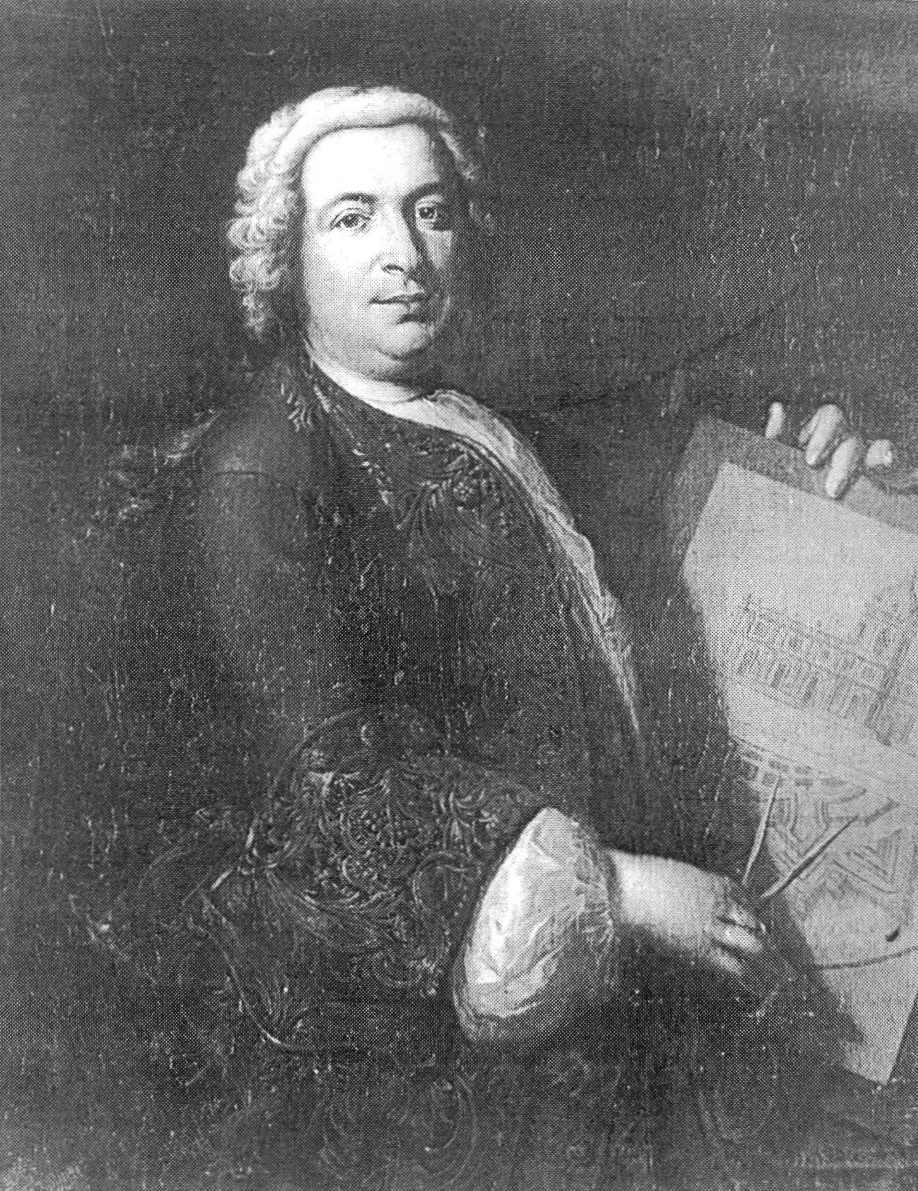
Special Exhibition: How the Sky Came to the Ceiling
Discover the baroque art of the festival hall of the Residence Ansbach in a special exhibition on Leopoldo Retti.
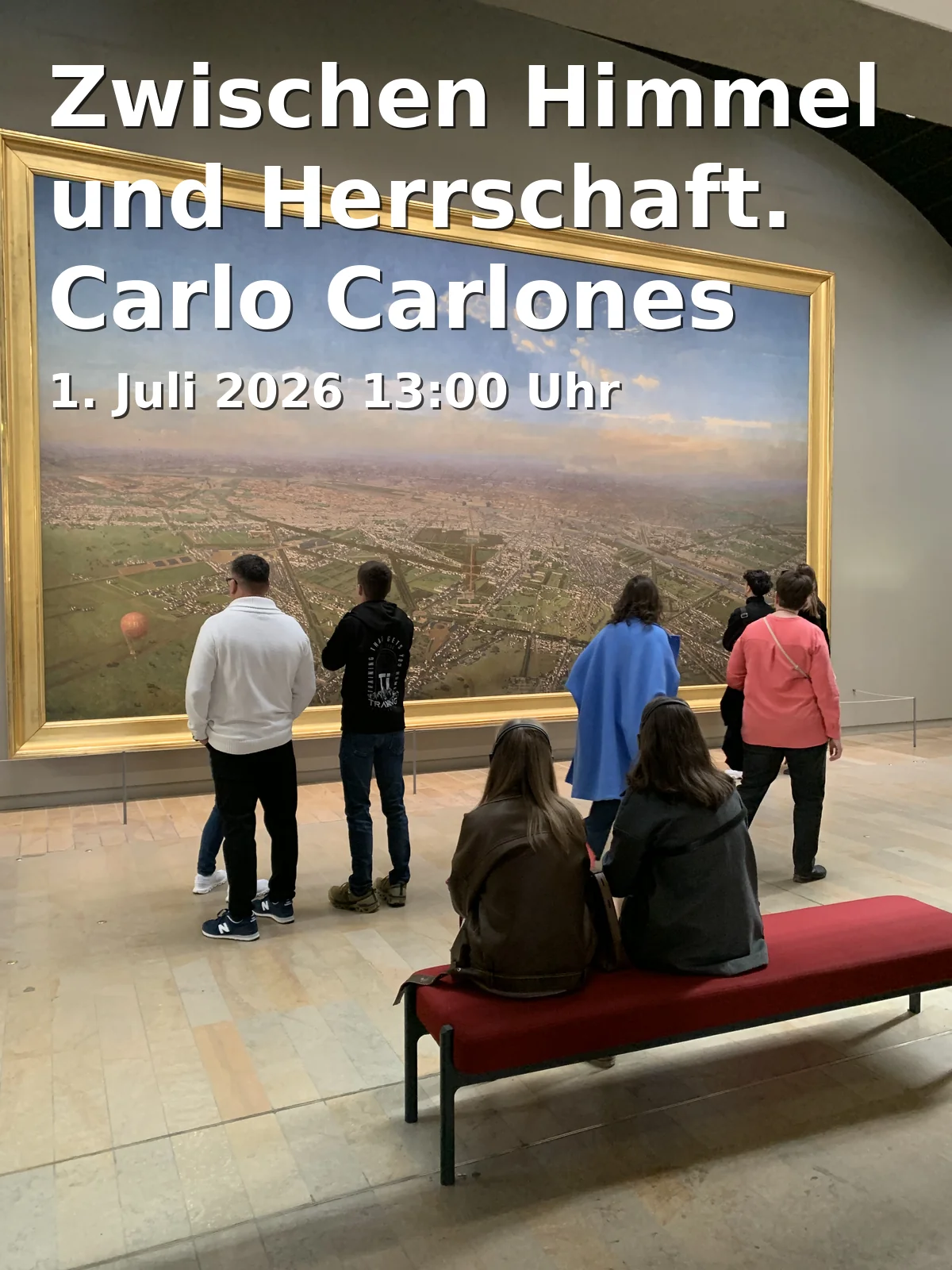
Between Heaven and Authority. Carlo Carlone's Visions of the Princely Virtue State in the Ceiling Paintings of the Ansbach Residence
Baroque spatial art up close: In Ansbach, Carlo Carlone's festive hall reveals its full shine. Restoration, fresco, and original space from 01.07. to 04.10.2026. #Ansbach #Baroque
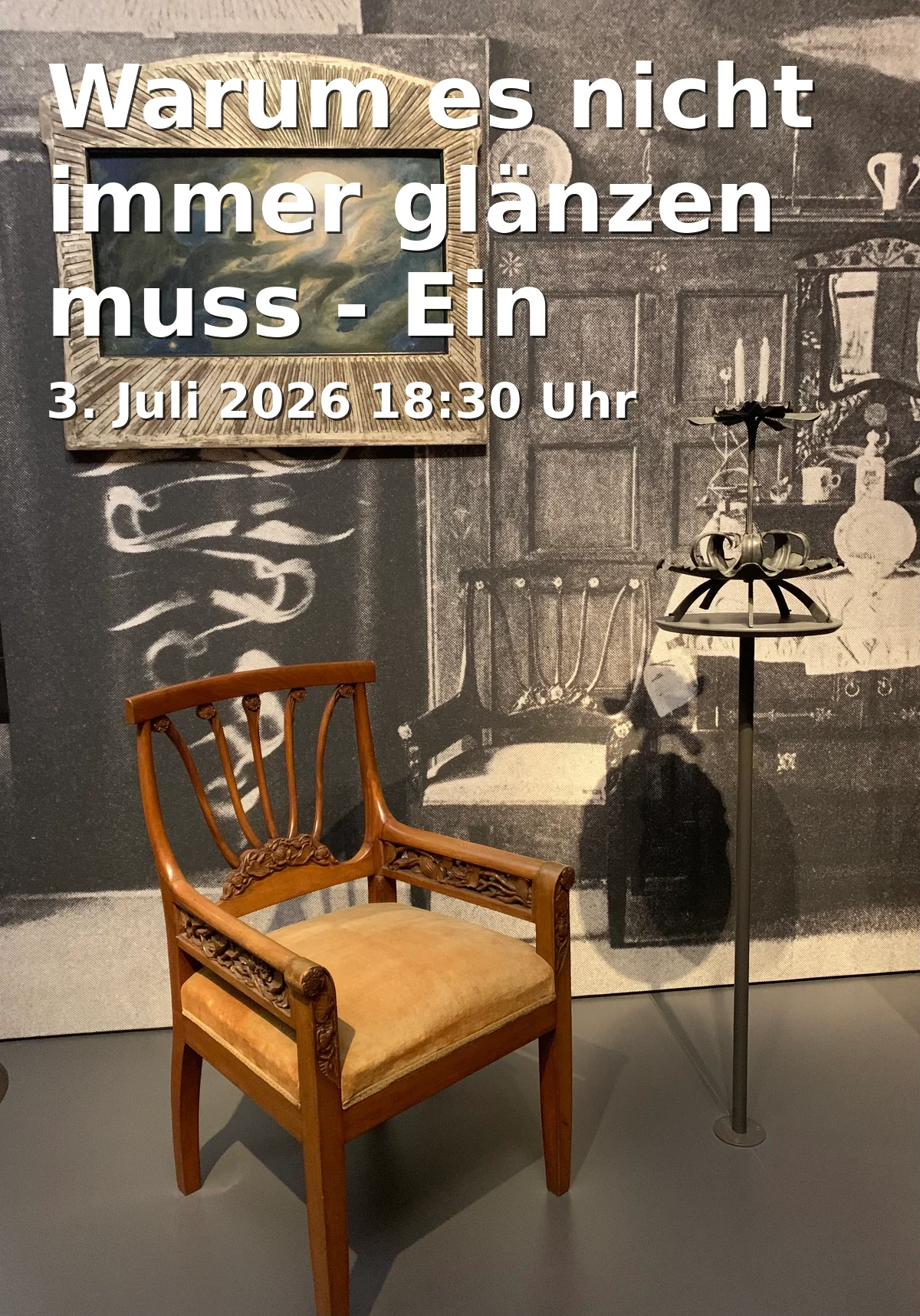
Why it doesn’t always have to shine - An insight into monument theory and restoration
Rethinking restoration at the Ansbach Residence: A lecture on monument theory, substance, and the Carlone Hall. Free entry on 03.07.2026. #ArtHistory
Family Tour Heavenly Whispers - Ansbach Ceiling Painting
Join the Family Tour Heavenly Whispers and dive into the fascinating stories of the Ansbach ceiling painting. An event for the whole family.
No New Shine? - The Restoration of the Carlone Hall of the Residence Ansbach
Rediscover Baroque spatial art: The thematic tour in the Carlone Hall connects restoration, fresco, and palace history. On July 4 in Ansbach. #ArtHistory
Whispers of the Sky - The Ansbach Ceiling Mural and Its Secrets
Discover Baroque celestial images in the Ansbach Residence: The family tour combines art history, spatial art, and wonder. 04.07.2026, admission 3 €. #Ansbach #Art

Silent Reading - Celebrating Silent Reading
Experience a special evening for book lovers on July 10, 2026, in the Festsaal of the Residenz Ansbach.
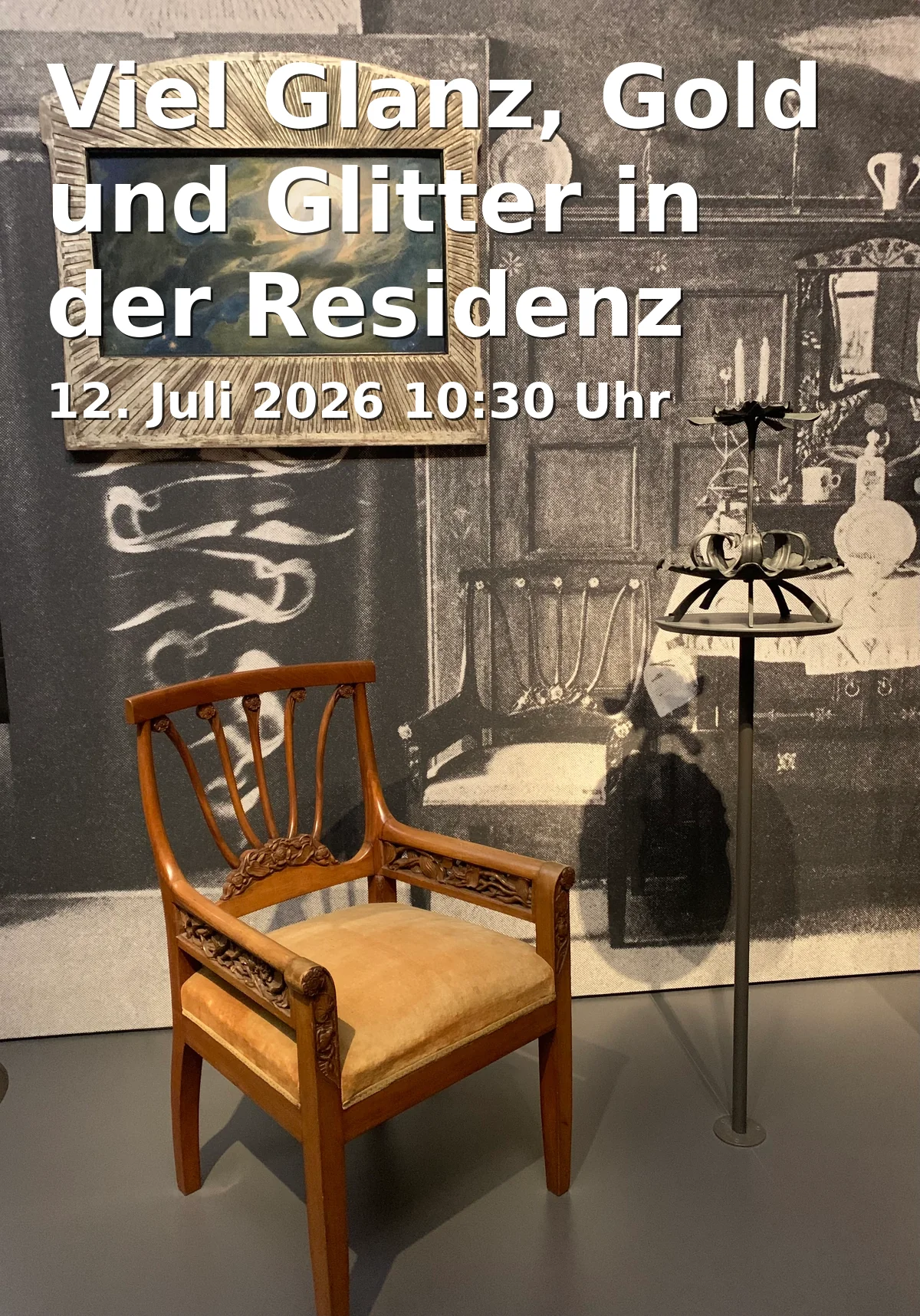
A Lot of Shine, Gold, and Glitter in the Ansbach Residence - How Thin Gold Makes Everything Shine
Experience gold, shine, and true craftsmanship in the Ansbach Residence: Family tour with hands-on activities for children aged 6 to 12 years. 12.07.2026, 3 € plus entrance fee. #Ansbach #Culture
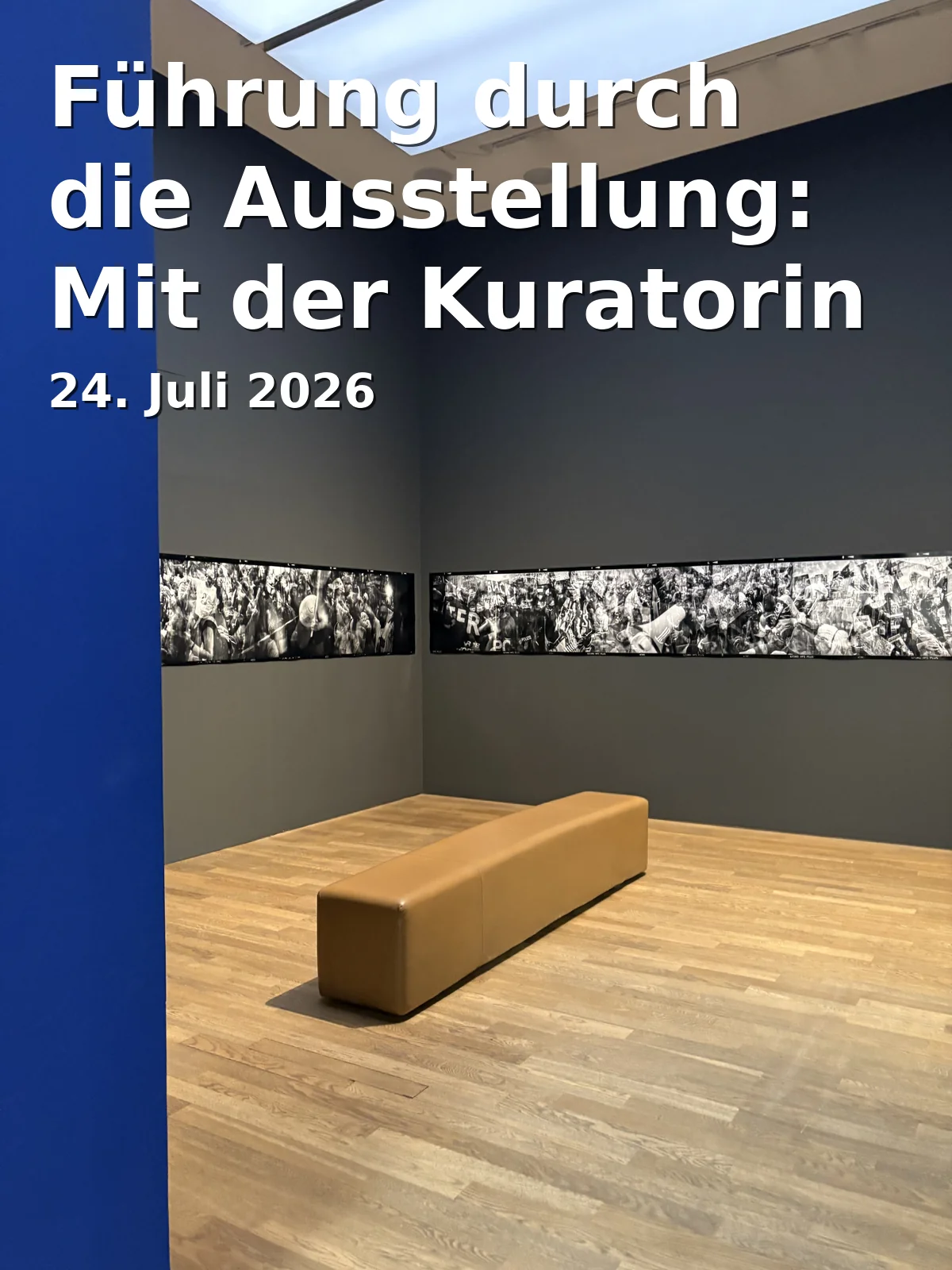
Tour of the Exhibition: With the Curator
Experience an inspiring tour through the exhibition at the Ansbach Residence with Dr. Cordula Mauß on July 24, 2026.
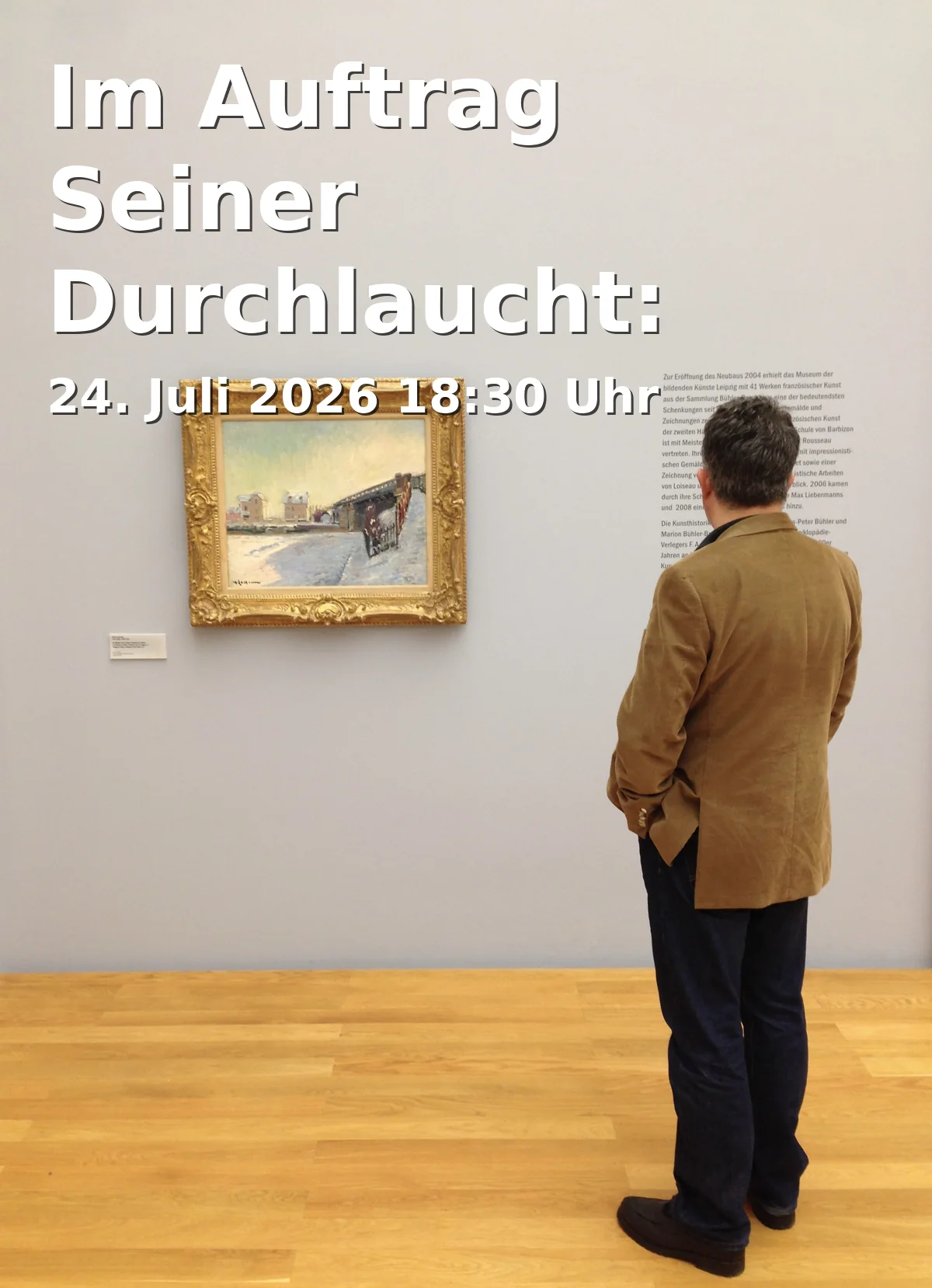
On the Commission of His Highness: Johann Adolf Biarelle as Painter and Draftsman in Bonn and Ansbach
Rediscover courtly art at the Ansbach Residence: Johann Adolf Biarelle, Baroque spatial art, and art historical insights on July 24, 2026. Free admission. #ArtHistory
Frequently Asked Questions
Reviews
Melanie Mengüş
25. October 2025
Visited the castle with the English tour because you can't visit by yourself. The guide was really nice and his English was great too. The castle is really nice though it is not furnished and some renovations were going on. But the guide made the visit much better to be honest!
Petros PAPAZOGLOU PAPAZOGLAKIS
13. April 2025
The palace offers an engaging visit that can be completed within an hour. Visitors have the opportunity to explore several interesting rooms and gain insightful information about the site. Guided tours are available and provide a great experience; however, they are conducted exclusively in German. For non-German speakers, understanding the full context may be challenging, as the information is presented in a printout sheet, which does not entirely capture the essence of the experience. Also some of the rooms are under repairs and are not visitable. Additionally, the ground floor features a porcelain exhibition, enhancing the visit with an interesting cultural touch.
david antoun
16. September 2024
Baroque-renaissance residence, place of sitting for the Markgraven. You can only visit with a guided tour, a gothic hall on the ground floor is open freely. The tour is a series of rooms and story of the owners. The place is under heavy renovation works (outside and inside), plans for end 2025 to be reopened without limitations again, but the replica is there to see especially the ceiling rococo in the fest Halle. The place was barely damaged in war so you could actually see original stuff from the 18th century.
Kat Drovdahl
3. September 2025
Really beautiful palace and tour was very interesting. Not as opulent or large as the one in Munich but still quite nice. Parking is on the city street and you have to pay for it.
Zoe Ryan
14. July 2020
Excellent visit, not yours at the moment due to covid, but you can walk through the rooms on your own (although not all the rooms are open), there is only limited information in English, but staff are really friendly, after visiting I went to the gardens across the road.