
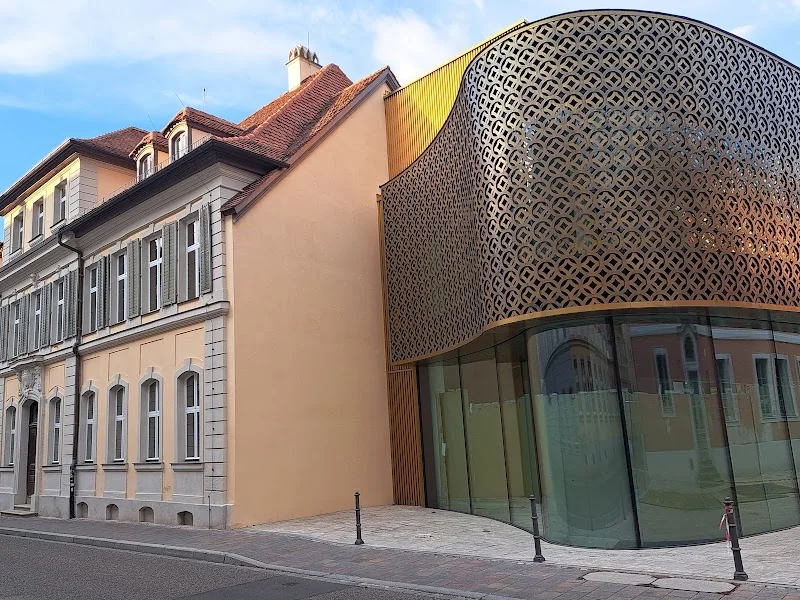
Ansbach
Bischof-Meiser-Straße 9, 91522 Ansbach, Deutschland
Museum Retti Palais | History & Photos
The Museum Retti Palais in Ansbach is one of the most significant buildings in the city, combining baroque representation with a contemporary museum use that is just becoming visible again. The Palais is located at Bischof-Meiser-Straße 9 between Bahnhofsplatz and Schlossplatz, making it particularly convenient for city walks and a visit to the historic old town of Ansbach. Its history begins in 1743 when Margrave Carl Wilhelm Friedrich gifted a plot of land to court architect Leopoldo Retti. Retti built his city palace there; the building was completed in 1749, but the master builder never moved in himself. After many decades of changing uses, more than 16 years of vacancy, and an extensive renovation, the house is once again a place where architecture, history, and culture come together. ([tourismus-ansbach.de](https://www.tourismus-ansbach.de/ansbach-erleben/sehenswuerdigkeiten/museum-retti-palais))
History of the Museum Retti Palais in Ansbach
The historical significance of the house only becomes truly apparent when considering its tumultuous use over the centuries. The Palais was designed as a representative city palace for Leopoldo Retti and was intended, at the express wish of the margrave, to contribute to the embellishment of today's Bischof-Meiser-Straße. Retti sold the property to the city of Ansbach after its completion; thereafter, it served, among other things, as the office of the chief magistrate and later as a residential and ownership house for various families. In the history of the city, the building repeatedly appears as a mirror of its time: as a stately city palace, as an administrative site, as a private house, and finally as a historical monument that would have been threatened by decay without new use. It is precisely these long cycles of splendor, change, and stagnation that make the Retti Palais so exciting today for architecture and history enthusiasts. ([retti-verein.de](https://www.retti-verein.de/forschung/leopoldo-retti/?utm_source=openai))
The rescue of the house became the central concern of the Retti e.V. support association in 2015. The association is dedicated to the preservation and appreciation of culturally and historically significant buildings in Ansbach and emphasizes the historical importance of Leopoldo Retti as well as the public and cultural use of the Palais. According to the association, the property was acquired by a foundation in 2017 and renovated in accordance with monument preservation with the support of urban development funding. Therefore, the opening of the museum today is not only due to structural renovation but also to research, civic engagement, voluntary work, and support from the city and private sponsors. The Retti Palais is thus an example of how monument protection, cultural mediation, and urban development can interlink. ([retti-verein.de](https://www.retti-verein.de/?utm_source=openai))
The association also emphasizes how closely research and the history of the house are interconnected. Leopoldo Retti was not only the namesake but also part of a far-reaching Lombard artist network that operated in Ansbach and far beyond. The construction history of the Palais also clearly reflects later changes: The house was sold to the city after Retti, later used as the office of the chief magistrate, then passed through several private hands, and was remodeled and partially altered in the 19th and 20th centuries. That today, however, large parts of the staircase and one hall are almost completely preserved makes the current use particularly valuable. The Palais thus tells not only of the 18th century but also of how monument protection must work in the 21st century if historical substance is to be preserved and made publicly accessible. ([retti-verein.de](https://www.retti-verein.de/forschung/leopoldo-retti/?utm_source=openai))
Photos and Architecture of the Retti Palais
Those searching for photos of the Retti Palais encounter a building that has a strong presence even in its external appearance: The Palais is considered a significant late baroque city palace and evokes the grandeur of the Ansbach residence. The official description refers to a Palais built after the French model, which was created in the mid-18th century and architecturally alludes to Retti's masterpiece, the Ansbach residence. In the technical description of the house, it is characterized as a two-story hipped roof building with a three-axis central projection and a dwarf house; it also features rusticated pilasters, plaster structuring, and stucco ornamentation on walls and ceilings. This mixture of restraint and representation makes the Retti Palais photogenic: it does not appear overloaded but rather elegant, clear, and unusually closed for a baroque city palace. ([tourismus-ansbach.de](https://www.tourismus-ansbach.de/ansbach-erleben/sehenswuerdigkeiten/museum-retti-palais))
Inside, there is also much to discover for photos and architectural studies. According to the association, the staircase and a large hall on the piano nobile are preserved in nearly original condition; these rooms convey particularly well how a courtly city palace was conceived in the 18th century. The association also provides specific area values: 587.80 square meters of main usable area, 154.80 square meters of ancillary usable area, and 225.20 square meters of traffic area, as well as additional rooms under 1.5 meters in height. These figures show that it is not a small museum cabinet but rather a multi-story house with many sequences of rooms, corridors, and transitions. Those looking for images can find sequences and impressions on the official museum page and the tourism page that show the building, the rooms, and the garden location from several perspectives. ([retti-verein.de](https://www.retti-verein.de/forschung/leopoldo-retti/?utm_source=openai))
Exhibitions, Collections, and Programs at the Museum Retti Palais
The Museum Retti Palais is primarily intended to house sculptural artworks from the 16th to 18th centuries from two private collections. These holdings are supplemented by changing exhibitions, connections to contemporary art, and a program that positions the house as a lively place of encounter. According to the city tourism description, a gastronomy in a beautiful garden area is also part of the concept. This transforms the historic city palace into not just a place for observation but also a place for lingering, exchanging, and repeated visits. The future use thus combines collection, mediation, culinary offerings, and quality of stay in a way that is particularly attractive for a cultural-historical house. ([tourismus-ansbach.de](https://www.tourismus-ansbach.de/ansbach-erleben/sehenswuerdigkeiten/museum-retti-palais))
Even in the opening and transition phase, mediation was at the forefront. The official museum page describes the overture as the first public opening of the house after sixteen years of vacancy and seven years of renovation. Guides provide background information on the person of Retti, his Europe-wide network of artists and craftsmen, as well as the construction and house history. The support association complements this profile with lectures, research, publications, and regular events. On the association's page, for example, there are references to the Kaleidoscope series, lectures in the Falkenhausen room of the Retti Palais, and topics such as urban development around the house. This shows: The Retti Palais is not only an object of memory but also a stage for debates about art, building culture, and urban history. ([museum-retti-palais.de](https://museum-retti-palais.de/ausstellungen-museum/))
Opening Hours, Tickets, and Current Status
When searching for the term Retti Palais opening hours, it is important to know that the house is still under construction. The official museum page states that the museum is closed and in preparation for the opening; the exact opening date will be announced soon. The opening hours for Thursday to Sunday will also be announced. At the same time, it is stated that tickets are currently not bookable. Therefore, anyone planning a visit should always check the current status on the official website rather than relying on older interim statuses or individual event notices. This is particularly important because the digital information situation for a newly emerging museum is naturally dynamic. ([museum-retti-palais.de](https://museum-retti-palais.de/))
For the later regular operation, the museum page already mentions specific admission prices. Regular admission costs 5.00 euros, reduced 3.00 euros; free admission is granted to children under six years and members of the support association. Payment can be made in cash or by card, and special tours outside opening hours cost 150.00 euros. The page also points out that special tours in English as well as guided visits in Italian and French are to be bookable separately. This information is useful for planning as it shows that the museum is set up from the beginning for different visitor groups. This is interesting not only for tourists but also for school classes, architecture enthusiasts, and groups wishing for a private tour. ([museum-retti-palais.de](https://museum-retti-palais.de/eintrittspreise/))
Directions and Parking at the Retti Palais
The approach to the Retti Palais is remarkably easy for a city center location. The museum is located on Bischof-Meiser-Straße, which connects Bahnhofsplatz with Schlossplatz. According to the museum page, it is about a three-minute walk from the train station, and less than a minute from the bus hub Schlossplatz. The bus stop Retti Palais is served by lines 707, 716, 718, 752, 753, and 756. Additionally, the museum is accessed via Bischof-Meiser-Straße; according to the official directions page, access via the Hofgarten should also be possible from spring 2026. This makes the house easily accessible for train travelers, bus guests, and pedestrians alike. ([museum-retti-palais.de](https://museum-retti-palais.de/anfahrt/))
There are also several parking options mentioned, which is helpful when visiting the city center. Nearby are, among others, the Park&Ride parking garage at the train station, about eight minutes on foot, Hofwiese about five minutes, Rezatwiese East and Middle about eight minutes, Promenade about five minutes, Reitbahn about five minutes, and Karlsplatz also about five minutes on foot. Additionally, various bus and car parking spaces are mentioned at Schlossplatz and the theater. So, those arriving by car can easily combine city center parking with a short walk. At the same time, the location is so central that a visit to the Palais can easily be combined with other stops in Ansbach. ([museum-retti-palais.de](https://museum-retti-palais.de/anfahrt/))
Guided Tours, Events, and Visiting Tips
The Retti Palais is not intended as a quiet showcase but as a place where history is conveyed and discussed. Even during the overture, visitors were guided through the house; the texts on the official pages emphasize the backgrounds of Retti, his Europe-wide network of artists and craftsmen, as well as the construction and house history. The support association continues this concept with lectures, seminars, workshops, and trips. The association's page announces regular events, and the museum page already mentions lectures as part of Kaleidoscope as well as other formats taking place in the house or its immediate surroundings. For visitors, this is a good signal: The Palais is intended to be a lively house with a changing program and recurring occasions for a visit, rather than a closed-off place. ([museum-retti-palais.de](https://museum-retti-palais.de/ausstellungen-museum/))
For a practical visit, it is worthwhile to look beyond the Retti Palais to its surroundings. The location between the residence, Schlossplatz, Hofgarten, and old town makes the house an ideal starting point for a cultural walk through Ansbach. The city explicitly designates the Palais as one of the most significant buildings in Ansbach, and the museum and tourism pages connect it with other attractions as well as with the history of Leopoldo Retti, who has significantly shaped the baroque appearance of the city. Therefore, those searching for Museum Retti Palais photos, Retti Palais history, or Retti Museum will not only find a single building but an entire thematic space of architecture, urban development, monument protection, and art history. This is precisely where the special appeal of the house lies: It tells Ansbach not abstractly but through a place that can be seen, photographed, and in the future, also re-entered. ([tourismus-ansbach.de](https://www.tourismus-ansbach.de/ansbach-erleben/sehenswuerdigkeiten/museum-retti-palais))
For the search intentions behind the most important keywords, the house can be clearly categorized: Those searching for Retti Palais photos primarily receive architecture and room atmospheres; those looking for opening hours or tickets should check the official status, as operations are currently still under construction; those searching for directions or parking benefit from the central location close to the train station and several parking options; and those interested in history find an exciting common thread with Leopoldo Retti, the residence, and the renovation. Thus, a single historical monument becomes a versatile reason for a visit that remains interesting for both first-time visitors and returnees. ([museum-retti-palais.de](https://museum-retti-palais.de/))
Sources:
- Museum Retti-Palais – The Rococo Jewel in Ansbach
- Retti Palais – From Baroque City Palace to Museum
- Directions – Museum Retti-Palais
- Opening Hours – Museum Retti-Palais
- Admission Prices – Museum Retti-Palais
- Exhibitions – Museum Retti-Palais
- Retti Palais: Ansbach | City of Ansbach Culture & Tourism
- Museum Retti Palais: Rococo Jewel in Ansbach | Retti e.V. Support Association
- Leopoldo Retti: Life, Major Works, and Palais | Retti e.V. Support Association
Mehr anzeigenWeniger anzeigen
Museum Retti Palais | History & Photos
The Museum Retti Palais in Ansbach is one of the most significant buildings in the city, combining baroque representation with a contemporary museum use that is just becoming visible again. The Palais is located at Bischof-Meiser-Straße 9 between Bahnhofsplatz and Schlossplatz, making it particularly convenient for city walks and a visit to the historic old town of Ansbach. Its history begins in 1743 when Margrave Carl Wilhelm Friedrich gifted a plot of land to court architect Leopoldo Retti. Retti built his city palace there; the building was completed in 1749, but the master builder never moved in himself. After many decades of changing uses, more than 16 years of vacancy, and an extensive renovation, the house is once again a place where architecture, history, and culture come together. ([tourismus-ansbach.de](https://www.tourismus-ansbach.de/ansbach-erleben/sehenswuerdigkeiten/museum-retti-palais))
History of the Museum Retti Palais in Ansbach
The historical significance of the house only becomes truly apparent when considering its tumultuous use over the centuries. The Palais was designed as a representative city palace for Leopoldo Retti and was intended, at the express wish of the margrave, to contribute to the embellishment of today's Bischof-Meiser-Straße. Retti sold the property to the city of Ansbach after its completion; thereafter, it served, among other things, as the office of the chief magistrate and later as a residential and ownership house for various families. In the history of the city, the building repeatedly appears as a mirror of its time: as a stately city palace, as an administrative site, as a private house, and finally as a historical monument that would have been threatened by decay without new use. It is precisely these long cycles of splendor, change, and stagnation that make the Retti Palais so exciting today for architecture and history enthusiasts. ([retti-verein.de](https://www.retti-verein.de/forschung/leopoldo-retti/?utm_source=openai))
The rescue of the house became the central concern of the Retti e.V. support association in 2015. The association is dedicated to the preservation and appreciation of culturally and historically significant buildings in Ansbach and emphasizes the historical importance of Leopoldo Retti as well as the public and cultural use of the Palais. According to the association, the property was acquired by a foundation in 2017 and renovated in accordance with monument preservation with the support of urban development funding. Therefore, the opening of the museum today is not only due to structural renovation but also to research, civic engagement, voluntary work, and support from the city and private sponsors. The Retti Palais is thus an example of how monument protection, cultural mediation, and urban development can interlink. ([retti-verein.de](https://www.retti-verein.de/?utm_source=openai))
The association also emphasizes how closely research and the history of the house are interconnected. Leopoldo Retti was not only the namesake but also part of a far-reaching Lombard artist network that operated in Ansbach and far beyond. The construction history of the Palais also clearly reflects later changes: The house was sold to the city after Retti, later used as the office of the chief magistrate, then passed through several private hands, and was remodeled and partially altered in the 19th and 20th centuries. That today, however, large parts of the staircase and one hall are almost completely preserved makes the current use particularly valuable. The Palais thus tells not only of the 18th century but also of how monument protection must work in the 21st century if historical substance is to be preserved and made publicly accessible. ([retti-verein.de](https://www.retti-verein.de/forschung/leopoldo-retti/?utm_source=openai))
Photos and Architecture of the Retti Palais
Those searching for photos of the Retti Palais encounter a building that has a strong presence even in its external appearance: The Palais is considered a significant late baroque city palace and evokes the grandeur of the Ansbach residence. The official description refers to a Palais built after the French model, which was created in the mid-18th century and architecturally alludes to Retti's masterpiece, the Ansbach residence. In the technical description of the house, it is characterized as a two-story hipped roof building with a three-axis central projection and a dwarf house; it also features rusticated pilasters, plaster structuring, and stucco ornamentation on walls and ceilings. This mixture of restraint and representation makes the Retti Palais photogenic: it does not appear overloaded but rather elegant, clear, and unusually closed for a baroque city palace. ([tourismus-ansbach.de](https://www.tourismus-ansbach.de/ansbach-erleben/sehenswuerdigkeiten/museum-retti-palais))
Inside, there is also much to discover for photos and architectural studies. According to the association, the staircase and a large hall on the piano nobile are preserved in nearly original condition; these rooms convey particularly well how a courtly city palace was conceived in the 18th century. The association also provides specific area values: 587.80 square meters of main usable area, 154.80 square meters of ancillary usable area, and 225.20 square meters of traffic area, as well as additional rooms under 1.5 meters in height. These figures show that it is not a small museum cabinet but rather a multi-story house with many sequences of rooms, corridors, and transitions. Those looking for images can find sequences and impressions on the official museum page and the tourism page that show the building, the rooms, and the garden location from several perspectives. ([retti-verein.de](https://www.retti-verein.de/forschung/leopoldo-retti/?utm_source=openai))
Exhibitions, Collections, and Programs at the Museum Retti Palais
The Museum Retti Palais is primarily intended to house sculptural artworks from the 16th to 18th centuries from two private collections. These holdings are supplemented by changing exhibitions, connections to contemporary art, and a program that positions the house as a lively place of encounter. According to the city tourism description, a gastronomy in a beautiful garden area is also part of the concept. This transforms the historic city palace into not just a place for observation but also a place for lingering, exchanging, and repeated visits. The future use thus combines collection, mediation, culinary offerings, and quality of stay in a way that is particularly attractive for a cultural-historical house. ([tourismus-ansbach.de](https://www.tourismus-ansbach.de/ansbach-erleben/sehenswuerdigkeiten/museum-retti-palais))
Even in the opening and transition phase, mediation was at the forefront. The official museum page describes the overture as the first public opening of the house after sixteen years of vacancy and seven years of renovation. Guides provide background information on the person of Retti, his Europe-wide network of artists and craftsmen, as well as the construction and house history. The support association complements this profile with lectures, research, publications, and regular events. On the association's page, for example, there are references to the Kaleidoscope series, lectures in the Falkenhausen room of the Retti Palais, and topics such as urban development around the house. This shows: The Retti Palais is not only an object of memory but also a stage for debates about art, building culture, and urban history. ([museum-retti-palais.de](https://museum-retti-palais.de/ausstellungen-museum/))
Opening Hours, Tickets, and Current Status
When searching for the term Retti Palais opening hours, it is important to know that the house is still under construction. The official museum page states that the museum is closed and in preparation for the opening; the exact opening date will be announced soon. The opening hours for Thursday to Sunday will also be announced. At the same time, it is stated that tickets are currently not bookable. Therefore, anyone planning a visit should always check the current status on the official website rather than relying on older interim statuses or individual event notices. This is particularly important because the digital information situation for a newly emerging museum is naturally dynamic. ([museum-retti-palais.de](https://museum-retti-palais.de/))
For the later regular operation, the museum page already mentions specific admission prices. Regular admission costs 5.00 euros, reduced 3.00 euros; free admission is granted to children under six years and members of the support association. Payment can be made in cash or by card, and special tours outside opening hours cost 150.00 euros. The page also points out that special tours in English as well as guided visits in Italian and French are to be bookable separately. This information is useful for planning as it shows that the museum is set up from the beginning for different visitor groups. This is interesting not only for tourists but also for school classes, architecture enthusiasts, and groups wishing for a private tour. ([museum-retti-palais.de](https://museum-retti-palais.de/eintrittspreise/))
Directions and Parking at the Retti Palais
The approach to the Retti Palais is remarkably easy for a city center location. The museum is located on Bischof-Meiser-Straße, which connects Bahnhofsplatz with Schlossplatz. According to the museum page, it is about a three-minute walk from the train station, and less than a minute from the bus hub Schlossplatz. The bus stop Retti Palais is served by lines 707, 716, 718, 752, 753, and 756. Additionally, the museum is accessed via Bischof-Meiser-Straße; according to the official directions page, access via the Hofgarten should also be possible from spring 2026. This makes the house easily accessible for train travelers, bus guests, and pedestrians alike. ([museum-retti-palais.de](https://museum-retti-palais.de/anfahrt/))
There are also several parking options mentioned, which is helpful when visiting the city center. Nearby are, among others, the Park&Ride parking garage at the train station, about eight minutes on foot, Hofwiese about five minutes, Rezatwiese East and Middle about eight minutes, Promenade about five minutes, Reitbahn about five minutes, and Karlsplatz also about five minutes on foot. Additionally, various bus and car parking spaces are mentioned at Schlossplatz and the theater. So, those arriving by car can easily combine city center parking with a short walk. At the same time, the location is so central that a visit to the Palais can easily be combined with other stops in Ansbach. ([museum-retti-palais.de](https://museum-retti-palais.de/anfahrt/))
Guided Tours, Events, and Visiting Tips
The Retti Palais is not intended as a quiet showcase but as a place where history is conveyed and discussed. Even during the overture, visitors were guided through the house; the texts on the official pages emphasize the backgrounds of Retti, his Europe-wide network of artists and craftsmen, as well as the construction and house history. The support association continues this concept with lectures, seminars, workshops, and trips. The association's page announces regular events, and the museum page already mentions lectures as part of Kaleidoscope as well as other formats taking place in the house or its immediate surroundings. For visitors, this is a good signal: The Palais is intended to be a lively house with a changing program and recurring occasions for a visit, rather than a closed-off place. ([museum-retti-palais.de](https://museum-retti-palais.de/ausstellungen-museum/))
For a practical visit, it is worthwhile to look beyond the Retti Palais to its surroundings. The location between the residence, Schlossplatz, Hofgarten, and old town makes the house an ideal starting point for a cultural walk through Ansbach. The city explicitly designates the Palais as one of the most significant buildings in Ansbach, and the museum and tourism pages connect it with other attractions as well as with the history of Leopoldo Retti, who has significantly shaped the baroque appearance of the city. Therefore, those searching for Museum Retti Palais photos, Retti Palais history, or Retti Museum will not only find a single building but an entire thematic space of architecture, urban development, monument protection, and art history. This is precisely where the special appeal of the house lies: It tells Ansbach not abstractly but through a place that can be seen, photographed, and in the future, also re-entered. ([tourismus-ansbach.de](https://www.tourismus-ansbach.de/ansbach-erleben/sehenswuerdigkeiten/museum-retti-palais))
For the search intentions behind the most important keywords, the house can be clearly categorized: Those searching for Retti Palais photos primarily receive architecture and room atmospheres; those looking for opening hours or tickets should check the official status, as operations are currently still under construction; those searching for directions or parking benefit from the central location close to the train station and several parking options; and those interested in history find an exciting common thread with Leopoldo Retti, the residence, and the renovation. Thus, a single historical monument becomes a versatile reason for a visit that remains interesting for both first-time visitors and returnees. ([museum-retti-palais.de](https://museum-retti-palais.de/))
Sources:
- Museum Retti-Palais – The Rococo Jewel in Ansbach
- Retti Palais – From Baroque City Palace to Museum
- Directions – Museum Retti-Palais
- Opening Hours – Museum Retti-Palais
- Admission Prices – Museum Retti-Palais
- Exhibitions – Museum Retti-Palais
- Retti Palais: Ansbach | City of Ansbach Culture & Tourism
- Museum Retti Palais: Rococo Jewel in Ansbach | Retti e.V. Support Association
- Leopoldo Retti: Life, Major Works, and Palais | Retti e.V. Support Association
Museum Retti Palais | History & Photos
The Museum Retti Palais in Ansbach is one of the most significant buildings in the city, combining baroque representation with a contemporary museum use that is just becoming visible again. The Palais is located at Bischof-Meiser-Straße 9 between Bahnhofsplatz and Schlossplatz, making it particularly convenient for city walks and a visit to the historic old town of Ansbach. Its history begins in 1743 when Margrave Carl Wilhelm Friedrich gifted a plot of land to court architect Leopoldo Retti. Retti built his city palace there; the building was completed in 1749, but the master builder never moved in himself. After many decades of changing uses, more than 16 years of vacancy, and an extensive renovation, the house is once again a place where architecture, history, and culture come together. ([tourismus-ansbach.de](https://www.tourismus-ansbach.de/ansbach-erleben/sehenswuerdigkeiten/museum-retti-palais))
History of the Museum Retti Palais in Ansbach
The historical significance of the house only becomes truly apparent when considering its tumultuous use over the centuries. The Palais was designed as a representative city palace for Leopoldo Retti and was intended, at the express wish of the margrave, to contribute to the embellishment of today's Bischof-Meiser-Straße. Retti sold the property to the city of Ansbach after its completion; thereafter, it served, among other things, as the office of the chief magistrate and later as a residential and ownership house for various families. In the history of the city, the building repeatedly appears as a mirror of its time: as a stately city palace, as an administrative site, as a private house, and finally as a historical monument that would have been threatened by decay without new use. It is precisely these long cycles of splendor, change, and stagnation that make the Retti Palais so exciting today for architecture and history enthusiasts. ([retti-verein.de](https://www.retti-verein.de/forschung/leopoldo-retti/?utm_source=openai))
The rescue of the house became the central concern of the Retti e.V. support association in 2015. The association is dedicated to the preservation and appreciation of culturally and historically significant buildings in Ansbach and emphasizes the historical importance of Leopoldo Retti as well as the public and cultural use of the Palais. According to the association, the property was acquired by a foundation in 2017 and renovated in accordance with monument preservation with the support of urban development funding. Therefore, the opening of the museum today is not only due to structural renovation but also to research, civic engagement, voluntary work, and support from the city and private sponsors. The Retti Palais is thus an example of how monument protection, cultural mediation, and urban development can interlink. ([retti-verein.de](https://www.retti-verein.de/?utm_source=openai))
The association also emphasizes how closely research and the history of the house are interconnected. Leopoldo Retti was not only the namesake but also part of a far-reaching Lombard artist network that operated in Ansbach and far beyond. The construction history of the Palais also clearly reflects later changes: The house was sold to the city after Retti, later used as the office of the chief magistrate, then passed through several private hands, and was remodeled and partially altered in the 19th and 20th centuries. That today, however, large parts of the staircase and one hall are almost completely preserved makes the current use particularly valuable. The Palais thus tells not only of the 18th century but also of how monument protection must work in the 21st century if historical substance is to be preserved and made publicly accessible. ([retti-verein.de](https://www.retti-verein.de/forschung/leopoldo-retti/?utm_source=openai))
Photos and Architecture of the Retti Palais
Those searching for photos of the Retti Palais encounter a building that has a strong presence even in its external appearance: The Palais is considered a significant late baroque city palace and evokes the grandeur of the Ansbach residence. The official description refers to a Palais built after the French model, which was created in the mid-18th century and architecturally alludes to Retti's masterpiece, the Ansbach residence. In the technical description of the house, it is characterized as a two-story hipped roof building with a three-axis central projection and a dwarf house; it also features rusticated pilasters, plaster structuring, and stucco ornamentation on walls and ceilings. This mixture of restraint and representation makes the Retti Palais photogenic: it does not appear overloaded but rather elegant, clear, and unusually closed for a baroque city palace. ([tourismus-ansbach.de](https://www.tourismus-ansbach.de/ansbach-erleben/sehenswuerdigkeiten/museum-retti-palais))
Inside, there is also much to discover for photos and architectural studies. According to the association, the staircase and a large hall on the piano nobile are preserved in nearly original condition; these rooms convey particularly well how a courtly city palace was conceived in the 18th century. The association also provides specific area values: 587.80 square meters of main usable area, 154.80 square meters of ancillary usable area, and 225.20 square meters of traffic area, as well as additional rooms under 1.5 meters in height. These figures show that it is not a small museum cabinet but rather a multi-story house with many sequences of rooms, corridors, and transitions. Those looking for images can find sequences and impressions on the official museum page and the tourism page that show the building, the rooms, and the garden location from several perspectives. ([retti-verein.de](https://www.retti-verein.de/forschung/leopoldo-retti/?utm_source=openai))
Exhibitions, Collections, and Programs at the Museum Retti Palais
The Museum Retti Palais is primarily intended to house sculptural artworks from the 16th to 18th centuries from two private collections. These holdings are supplemented by changing exhibitions, connections to contemporary art, and a program that positions the house as a lively place of encounter. According to the city tourism description, a gastronomy in a beautiful garden area is also part of the concept. This transforms the historic city palace into not just a place for observation but also a place for lingering, exchanging, and repeated visits. The future use thus combines collection, mediation, culinary offerings, and quality of stay in a way that is particularly attractive for a cultural-historical house. ([tourismus-ansbach.de](https://www.tourismus-ansbach.de/ansbach-erleben/sehenswuerdigkeiten/museum-retti-palais))
Even in the opening and transition phase, mediation was at the forefront. The official museum page describes the overture as the first public opening of the house after sixteen years of vacancy and seven years of renovation. Guides provide background information on the person of Retti, his Europe-wide network of artists and craftsmen, as well as the construction and house history. The support association complements this profile with lectures, research, publications, and regular events. On the association's page, for example, there are references to the Kaleidoscope series, lectures in the Falkenhausen room of the Retti Palais, and topics such as urban development around the house. This shows: The Retti Palais is not only an object of memory but also a stage for debates about art, building culture, and urban history. ([museum-retti-palais.de](https://museum-retti-palais.de/ausstellungen-museum/))
Opening Hours, Tickets, and Current Status
When searching for the term Retti Palais opening hours, it is important to know that the house is still under construction. The official museum page states that the museum is closed and in preparation for the opening; the exact opening date will be announced soon. The opening hours for Thursday to Sunday will also be announced. At the same time, it is stated that tickets are currently not bookable. Therefore, anyone planning a visit should always check the current status on the official website rather than relying on older interim statuses or individual event notices. This is particularly important because the digital information situation for a newly emerging museum is naturally dynamic. ([museum-retti-palais.de](https://museum-retti-palais.de/))
For the later regular operation, the museum page already mentions specific admission prices. Regular admission costs 5.00 euros, reduced 3.00 euros; free admission is granted to children under six years and members of the support association. Payment can be made in cash or by card, and special tours outside opening hours cost 150.00 euros. The page also points out that special tours in English as well as guided visits in Italian and French are to be bookable separately. This information is useful for planning as it shows that the museum is set up from the beginning for different visitor groups. This is interesting not only for tourists but also for school classes, architecture enthusiasts, and groups wishing for a private tour. ([museum-retti-palais.de](https://museum-retti-palais.de/eintrittspreise/))
Directions and Parking at the Retti Palais
The approach to the Retti Palais is remarkably easy for a city center location. The museum is located on Bischof-Meiser-Straße, which connects Bahnhofsplatz with Schlossplatz. According to the museum page, it is about a three-minute walk from the train station, and less than a minute from the bus hub Schlossplatz. The bus stop Retti Palais is served by lines 707, 716, 718, 752, 753, and 756. Additionally, the museum is accessed via Bischof-Meiser-Straße; according to the official directions page, access via the Hofgarten should also be possible from spring 2026. This makes the house easily accessible for train travelers, bus guests, and pedestrians alike. ([museum-retti-palais.de](https://museum-retti-palais.de/anfahrt/))
There are also several parking options mentioned, which is helpful when visiting the city center. Nearby are, among others, the Park&Ride parking garage at the train station, about eight minutes on foot, Hofwiese about five minutes, Rezatwiese East and Middle about eight minutes, Promenade about five minutes, Reitbahn about five minutes, and Karlsplatz also about five minutes on foot. Additionally, various bus and car parking spaces are mentioned at Schlossplatz and the theater. So, those arriving by car can easily combine city center parking with a short walk. At the same time, the location is so central that a visit to the Palais can easily be combined with other stops in Ansbach. ([museum-retti-palais.de](https://museum-retti-palais.de/anfahrt/))
Guided Tours, Events, and Visiting Tips
The Retti Palais is not intended as a quiet showcase but as a place where history is conveyed and discussed. Even during the overture, visitors were guided through the house; the texts on the official pages emphasize the backgrounds of Retti, his Europe-wide network of artists and craftsmen, as well as the construction and house history. The support association continues this concept with lectures, seminars, workshops, and trips. The association's page announces regular events, and the museum page already mentions lectures as part of Kaleidoscope as well as other formats taking place in the house or its immediate surroundings. For visitors, this is a good signal: The Palais is intended to be a lively house with a changing program and recurring occasions for a visit, rather than a closed-off place. ([museum-retti-palais.de](https://museum-retti-palais.de/ausstellungen-museum/))
For a practical visit, it is worthwhile to look beyond the Retti Palais to its surroundings. The location between the residence, Schlossplatz, Hofgarten, and old town makes the house an ideal starting point for a cultural walk through Ansbach. The city explicitly designates the Palais as one of the most significant buildings in Ansbach, and the museum and tourism pages connect it with other attractions as well as with the history of Leopoldo Retti, who has significantly shaped the baroque appearance of the city. Therefore, those searching for Museum Retti Palais photos, Retti Palais history, or Retti Museum will not only find a single building but an entire thematic space of architecture, urban development, monument protection, and art history. This is precisely where the special appeal of the house lies: It tells Ansbach not abstractly but through a place that can be seen, photographed, and in the future, also re-entered. ([tourismus-ansbach.de](https://www.tourismus-ansbach.de/ansbach-erleben/sehenswuerdigkeiten/museum-retti-palais))
For the search intentions behind the most important keywords, the house can be clearly categorized: Those searching for Retti Palais photos primarily receive architecture and room atmospheres; those looking for opening hours or tickets should check the official status, as operations are currently still under construction; those searching for directions or parking benefit from the central location close to the train station and several parking options; and those interested in history find an exciting common thread with Leopoldo Retti, the residence, and the renovation. Thus, a single historical monument becomes a versatile reason for a visit that remains interesting for both first-time visitors and returnees. ([museum-retti-palais.de](https://museum-retti-palais.de/))
Sources:
- Museum Retti-Palais – The Rococo Jewel in Ansbach
- Retti Palais – From Baroque City Palace to Museum
- Directions – Museum Retti-Palais
- Opening Hours – Museum Retti-Palais
- Admission Prices – Museum Retti-Palais
- Exhibitions – Museum Retti-Palais
- Retti Palais: Ansbach | City of Ansbach Culture & Tourism
- Museum Retti Palais: Rococo Jewel in Ansbach | Retti e.V. Support Association
- Leopoldo Retti: Life, Major Works, and Palais | Retti e.V. Support Association
Upcoming Events
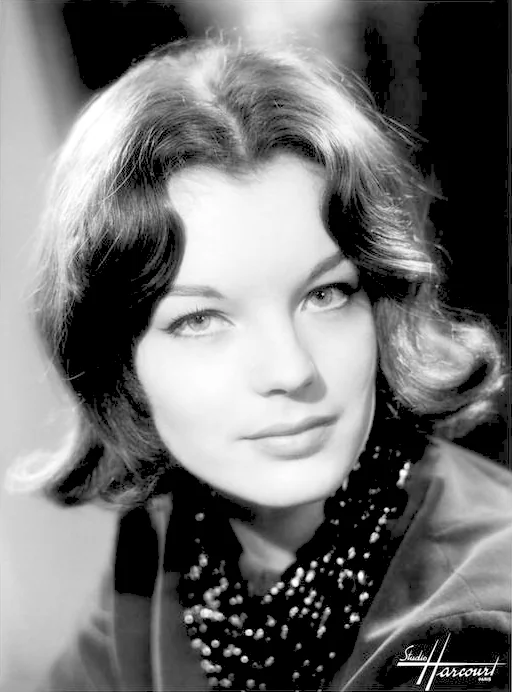
From Leopold Retti to Romy Schneider
A fascinating evening at the Retti Palais: From Rococo to Romy Schneider, European art history unfolds vividly and closely. July 17, 2026, free entry. #ArtHistory #Ansbach
Exceptional artist or miscast? Diego Carlone in Ansbach
An evening full of baroque, art, and Ansbach's history at Retti Palais: Lecture, atmosphere, and historical splendor. 25.09.2026, free admission. #Ansbach #Culture
Frequently Asked Questions
Reviews
Jan Snijder
22. August 2025
There is absolutely no museum, apparently construction is still ongoing but has been stalled for a long time, probably because there is no visible activity on site. A waste of time and money.
Gerd Annertzok
17. May 2026
Great picture exhibition.
An Dy
19. June 2025
Visually, the new extension is a disaster and absolutely does not fit into the street scene.
Wolfgang Ernst
16. February 2019
Currently still a construction ruin. However, we attended the tour of the palace and are 100% convinced that a construction jewel will celebrate a renaissance there.
Claudia I.
3. April 2026
How ugly is that? 😵