
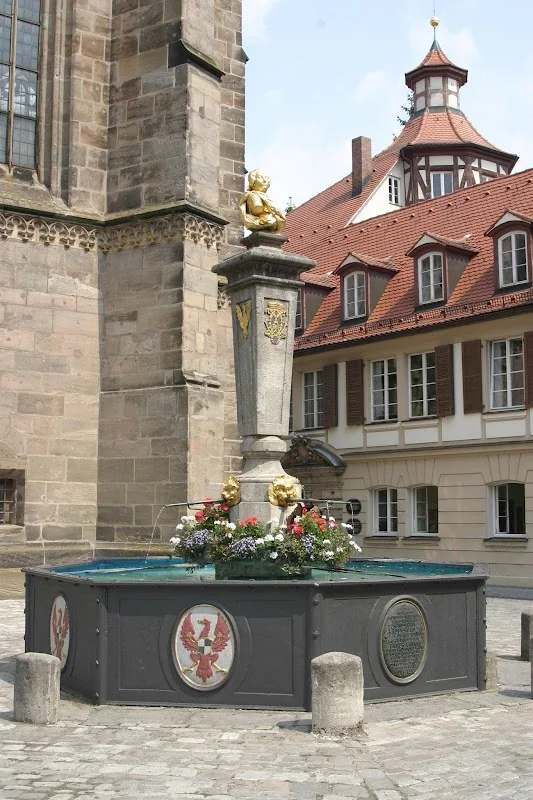
Ansbach
Kaspar-Hauser-Platz 1, 91522 Ansbach, Deutschland
Markgrafenmuseum Ansbach | Opening Hours & Admission Prices
The Markgrafenmuseum in Ansbach is one of the places where city history is not only displayed but made visible. Those who enter the house at Kaspar-Hauser-Platz find not a rigid display but a varied tour through several historical levels: from Kaspar Hauser through the time of the Margraves to natural history, prehistory, and early history. The museum is closely linked to the history of the former Hohenzollern residence and presents itself in a complex of buildings that is already a piece of Ansbach's history. The museum was established in 1932 from the merger of two collections; since 1961 it has been located in Schnizleinshof, and since 1984 another building connected to the city wall has been added. Today, it is an important point of contact for all who wish to discover Ansbach factually, visually, and with real historical context. The current visitor information states that opening hours are Tuesday to Sunday from 10:00 AM to 5:00 PM, along with fair admission prices and barrier-free access to the main areas. ([frankentourismus.de](https://www.frankentourismus.de/poi/markgrafen-museum-1343/?utm_source=openai))
Opening Hours, Admission Prices, and Visit Planning
Those looking for the Markgrafenmuseum Ansbach and its opening hours will find clear, user-friendly visitor information on the official Ansbach pages. According to the current brochure from the city, the museum is open Tuesday to Sunday from 10:00 AM to 5:00 PM; it is closed on Mondays. The admission is deliberately kept low: Adults pay €3.50, reduced admission costs €2.00. Families with children under 18 pay €7.50, groups of ten or more, holders of a VGN ticket, and visitors in combination with the residence pay €2.50 per person. Children up to 12 years are free. This pricing structure makes the visit particularly attractive for families, school classes, groups, and anyone who wants to experience culture in Ansbach without major hurdles. The city also explicitly refers to the museum as part of its historical offerings, making the visit easy to plan. ([tourismus-ansbach.de](https://www.tourismus-ansbach.de/fileadmin/user_upload/PDFs/Ansbach_Erleben_2026_web.pdf))
For visit planning, it is worthwhile to incorporate the museum into a city walk. The Markgrafenmuseum is located in the historical core of Ansbach, and many other cultural and historical points of the city are also located there. This allows the museum visit to be excellently combined with other stops, such as a walk through the old town, a view of the city wall, or a subsequent visit to one of the nearby cafés and inns. The Ansbach tourism page also shows that the house is not only an exhibition space but also a venue: The calendar regularly features readings, lectures, and other formats. So, for those looking for a quiet museum with a clear structure, reliable opening hours and a good mix of history and programming are provided here. Those who wish to return on another day can easily split the visit, as the themed rooms are large enough to be enjoyed without haste. ([tourismus-ansbach.de](https://www.tourismus-ansbach.de/entdecken-erleben/sehenswuerdigkeiten/markgrafenmuseum))
From an SEO perspective, the search queries around Markgrafenmuseum Ansbach opening hours and admission prices are particularly strong because they provide immediate practical benefits. This is exactly what the museum's official communication is designed for: short paths, clear times, transparent prices. For travelers, this is important because it makes it easy to incorporate the museum visit into a daily plan. Those traveling from Nuremberg, Würzburg, or the wider Middle Franconia can combine their visit with a lunch break, a stroll through the old town, or a detour to the residence. Especially on uncertain weather days, the house is a good anchor point, as the indoor tour offers much variety. Thus, the museum is not only a cultural site for special interests but also a very accessible component for a planned visit to Ansbach. ([tourismus-ansbach.de](https://www.tourismus-ansbach.de/fileadmin/user_upload/PDFs/Ansbach_Erleben_2026_web.pdf))
The Kaspar-Hauser Department as the Heart of the Museum
The most well-known strength of the Markgrafenmuseum is the Kaspar-Hauser department on the ground floor. It is highlighted in the official descriptions as the largest collection of Kaspar Hauser in the world, thus forming the emotional and content-related entry into the house. Kaspar Hauser is much more than just a historical puzzle for Ansbach: His fate shapes the city's memory culture to this day. The museum collects, explains, and contextualizes this figure so that the myth becomes a historically tangible topic. Especially since Kaspar Hauser is often overshadowed by legends and interpretations, the museum's processing is important. It helps visitors distinguish between tradition, research, and local memory. For many guests, this area is the main reason for the visit, and that is why it appears so often in search queries alongside Ansbach, photos, and exhibitions. ([museen-in-bayern.de](https://museen-in-bayern.de/en/museums/museum-details/markgrafenmuseum))
The significance of this department is also evident in how closely the museum is connected to the historical urban space. Ansbach remembers Kaspar Hauser not only in the museum but also through a monument in the old town, a memorial stone at the site of his murder in the Hofgarten, and his grave in the city cemetery. The Markgrafenmuseum is thus an ideal starting point for all who wish to follow the Kaspar-Hauser theme in the city. Those who plan their museum visit consciously can link the tour with other places of remembrance and thus gain a coherent picture of Ansbach's history. The museum therefore offers not only a collection but also a kind of gateway into a larger network of remembrance that spreads across the city center and connects historical sites. ([tourismus-ansbach.de](https://www.tourismus-ansbach.de/entdecken-erleben/mythos-kaspar-hauser?utm_source=openai))
From the perspective of school classes, culture enthusiasts, and first-time visitors, the Kaspar-Hauser department is important because it creates a clear emotional access. Unlike many classic city museums, the tour here does not begin with dry dates but with a figure that still raises questions today. This creates excitement and makes the transition to the museum's other themes easier. The official tourism description also emphasizes that the history of the city and the principality is presented according to modern museum educational aspects and is partially staged. This is a significant advantage of the museum: It explains contexts rather than just placing objects side by side. This makes the visit interesting for adults as well as for young people seeking a lively access to history. ([tourismus-ansbach.de](https://www.tourismus-ansbach.de/entdecken-erleben/sehenswuerdigkeiten/markgrafenmuseum))
Time of the Margraves, Faience, and the Hohenzollern Residence
The history of the Markgrafenmuseum itself is almost as interesting as its collections. According to the Franconian Tourism Association, the museum was established in 1932 from the merger of the previously separately displayed collections of the Historical Association for Middle Franconia and the city of Ansbach. Since 1961, it has been housed in Schnizleinshof, a complex of buildings from the 15th to 18th centuries with a staircase tower and courtyard at the city wall. The adjacent museum building has been part of it since 1984. This development shows that the museum is not located in just any place but in a historically grown ensemble that embodies the city's history itself. This is what makes the charm of the house: The architecture tells a story even before one looks at the exhibits. ([frankentourismus.de](https://www.frankentourismus.de/poi/markgrafen-museum-1343/?utm_source=openai))
Content-wise, the upper floors focus on the time of the Margraves of Brandenburg-Ansbach, that is, the era in which Ansbach expanded its political and cultural significance as a residence city. The official descriptions mention the connection to the Hohenzollerns, court hunting, and local faience production as special focuses. The Ansbach faience is particularly important because it makes the history of craftsmanship and production in the region visible. Visitors thus experience not only courtly splendor but also artisanal innovation and economic development. The Margrave period in the museum is chronologically structured and leads from the late Middle Ages to the end of the 18th century. Therefore, those interested in Franconian history do not get a singular view here but a well-structured historical arc. ([museen-in-bayern.de](https://museen-in-bayern.de/museen/detailseite-museum/markgrafenmuseum))
Especially impressive is the connection between collection and building. The rooms of the main building and the second museum building are connected by a piece of the preserved city wall. This makes a real piece of city fortification part of the tour. In the annex, there are also the departments of natural history, prehistory, and early history, as well as Ansbach in the Kingdom of Bavaria. This way, the museum covers several layers of time and does not stop solely at the residence history. This breadth makes it so interesting for visitors: Those who only expect Kaspar Hauser will additionally discover archaeology, city walls, courtly culture, and the transition to the Bavarian period. From the perspective of Ansbach, the Markgrafenmuseum is therefore a central memory house that makes the city readable in its entire historical depth. ([tourismus-ansbach.de](https://www.tourismus-ansbach.de/entdecken-erleben/sehenswuerdigkeiten/markgrafenmuseum))
Special Exhibitions, Events, and Photos
Those looking for special exhibitions at the Markgrafenmuseum Ansbach usually mean not just a single current show but the question of whether the museum remains lively and regularly presents new themes. This is exactly what the official city pages confirm: The event calendar and city news repeatedly feature formats such as readings, lectures, and changing exhibitions at the Markgrafenmuseum. The institution is thus not a static house but a place where history is continually related to the present. Examples from recent years show a thematic range from historically-political traveling exhibitions to exhibitions with local relevance. This makes the museum interesting for repeat visitors as the content changes depending on the year and program. ([tourismus-ansbach.de](https://www.tourismus-ansbach.de/entdecken-erleben/sehenswuerdigkeiten/markgrafenmuseum))
For the content-related search logic, it is important that the museum does not only rely on permanent exhibitions but on a mixed profile of collection, special themes, and events. This explains why search queries such as Markgrafenmuseum Ansbach exhibition and Markgrafenmuseum Ansbach special exhibition are so closely related. In practice, this means: Those planning a visit should also look at the event calendar in addition to the fixed exhibition areas. There, one can often find lectures or literary formats directly at the museum. This is a real added value for culture-interested visitors, as a pure museum visit can easily be expanded into an evening or weekend program. Especially in a city like Ansbach, which communicates strongly about its historical heritage, this format fits very well into the overall picture. ([tourismus-ansbach.de](https://www.tourismus-ansbach.de/entdecken-erleben/sehenswuerdigkeiten/markgrafenmuseum))
Those searching for photos of the Markgrafenmuseum also find good starting points on the official pages. The tourism page of the city shows a photo gallery and additionally offers a 360-degree tour that provides a realistic impression of the rooms, museum courtyard, and historical surroundings. This is particularly helpful for first-time visitors, as it allows them to assess the architecture, spatial effect, and exhibition character in advance. The images not only show the main building but also the character of the entire complex. From an SEO and user perspective, this is ideal: Photos help in deciding whether to visit the museum as a spontaneous stop or as a planned destination. The museum shop is also mentioned on the Bavarian museum pages, which rounds off the visit. ([museen-in-bayern.de](https://museen-in-bayern.de/en/museums/museum-details/markgrafenmuseum))
Directions, Parking, and Barrier-Free Access
The Markgrafenmuseum is located at Kaspar-Hauser-Platz 1 in the city center of Ansbach. This location is very pleasant for pedestrians, as the house fits well into a stroll through the old town. For driving, it is especially important that Ansbach organizes its city center through a municipal parking management system. The current parking page of the city mentions for Zone 3 among others Rezatparkplatz East and Middle, Reitbahn, Johann-Sebastian-Bach-Platz, Martin-Luther-Platz, Platenstraße, Promenade, Sparkassenplatz, Bischof-Meiser-Straße, Karlsplatz, Karolinenstraße, and Maximilianstraße. A municipal parking management concept also names parking garages and large parking lots such as Old Town, Train Station, Rezat West, Hofwiese, Feuerbachstraße, and Mechanical Engineering School as important components of the parking system. For museum visitors, this means: There are various public options in the immediate vicinity of the city center, and those who park flexibly usually find suitable solutions in the center. ([tourismus-ansbach.de](https://www.tourismus-ansbach.de/fileadmin/user_upload/PDFs/Ansbach_Erleben_2026_web.pdf))
Since the museum is located in a historical urban area, it makes sense to consider parking and walking together. The city documents show that the city center is divided into parking zones and that central areas such as the historical old town are treated as Zone 3. This can be deduced that for the museum visit, especially the central city parking lots and parking garages are relevant, not a specific large museum parking lot directly in front of the building. This is typical for a dense old town location and is usually not a disadvantage for guests but part of the historical cityscape. Therefore, those arriving by GPS should rather rely on city center parking than on a separate museum space. This saves unnecessary detours and fits the character of the visit, which can easily be combined with a short walk through the old town. ([ansbach.de](https://www.ansbach.de/media/custom/2595_6627_1.PDF?1727251961=))
Also regarding accessibility, the official tourism description provides helpful orientation. It explicitly states that both the Kaspar-Hauser department and the collections on the Margrave period are barrier-free accessible. For many visitors, this is crucial, as it allows them to better assess in advance whether a visit with a stroller, walking aid, or limited mobility is feasible. The same page also refers to a 360-degree tour, which further facilitates orientation. Those who want to be sure can inquire directly with the museum before the visit, especially regarding special formats, guided tours, or larger groups. Overall, the Markgrafenmuseum is a location that is well integrated into the city center and remains very practicable to reach both by car and on foot or as part of a city tour. ([tourismus-ansbach.de](https://www.tourismus-ansbach.de/entdecken-erleben/sehenswuerdigkeiten/markgrafenmuseum))
Reviews, Visit Tips, and What Makes the Visit Special
In search queries around reviews for the Markgrafenmuseum, it is often less about stars than about the question of who really benefits from the visit. From the official descriptions, it can be clearly derived: The house is particularly strong for people who enjoy city history, Kaspar Hauser, residence culture, and historical architecture. Those expecting a modern event museum with pure show staging should understand the collection more as a classic cultural-historical house. This mixture is precisely what makes it appealing. The content is professionally sound, the rooms are historical, and the themes are closely linked to Ansbach. For visitors who have little time in the city, the museum is therefore a good choice, as it bundles several levels of local history and thus provides a lot of context in a relatively short time. ([museen-in-bayern.de](https://museen-in-bayern.de/en/museums/museum-details/markgrafenmuseum))
A practical tip for the visit is to consciously use the order: first the Kaspar-Hauser department on the ground floor, then the Margrave period on the upper floors, and finally the annex with natural history, prehistory, and Ansbach in the Kingdom of Bavaria. This way, the tour builds up like a small historical journey. Those who want to take photos can already orient themselves in advance through the photo gallery and the 360-degree tour. Those wishing to deepen the visit should also plan the city's Kaspar-Hauser sites in the old town and in the Hofgarten. This way, a museum appointment becomes a complete Ansbach day that connects history, cityscape, and memory culture. This is the strength of the Markgrafenmuseum: It is not just a house with exhibits but a key to understanding the city. ([tourismus-ansbach.de](https://www.tourismus-ansbach.de/entdecken-erleben/sehenswuerdigkeiten/markgrafenmuseum))
In the end, the Markgrafenmuseum Ansbach is particularly remarkable because it does not present its themes in isolation but intertwines them: a mysterious historical figure, a residence history with Hohenzollern reference, local faience art, city walls, archaeology, and the later Bavarian development. This breadth makes the museum interesting for families, cultural travelers, school classes, and history enthusiasts. Those who plan with the official opening hours, know the admission prices, and combine the house with other cultural points in the city get a visit with real added value. For initial orientation, the photo gallery, the 360-degree tour, and the current event overview are particularly helpful. Those who wish to delve deeper afterward will find enough material for a second visit in the museum and the city. ([tourismus-ansbach.de](https://www.tourismus-ansbach.de/fileadmin/user_upload/PDFs/Ansbach_Erleben_2026_web.pdf))
Sources:
Show moreShow less
Markgrafenmuseum Ansbach | Opening Hours & Admission Prices
The Markgrafenmuseum in Ansbach is one of the places where city history is not only displayed but made visible. Those who enter the house at Kaspar-Hauser-Platz find not a rigid display but a varied tour through several historical levels: from Kaspar Hauser through the time of the Margraves to natural history, prehistory, and early history. The museum is closely linked to the history of the former Hohenzollern residence and presents itself in a complex of buildings that is already a piece of Ansbach's history. The museum was established in 1932 from the merger of two collections; since 1961 it has been located in Schnizleinshof, and since 1984 another building connected to the city wall has been added. Today, it is an important point of contact for all who wish to discover Ansbach factually, visually, and with real historical context. The current visitor information states that opening hours are Tuesday to Sunday from 10:00 AM to 5:00 PM, along with fair admission prices and barrier-free access to the main areas. ([frankentourismus.de](https://www.frankentourismus.de/poi/markgrafen-museum-1343/?utm_source=openai))
Opening Hours, Admission Prices, and Visit Planning
Those looking for the Markgrafenmuseum Ansbach and its opening hours will find clear, user-friendly visitor information on the official Ansbach pages. According to the current brochure from the city, the museum is open Tuesday to Sunday from 10:00 AM to 5:00 PM; it is closed on Mondays. The admission is deliberately kept low: Adults pay €3.50, reduced admission costs €2.00. Families with children under 18 pay €7.50, groups of ten or more, holders of a VGN ticket, and visitors in combination with the residence pay €2.50 per person. Children up to 12 years are free. This pricing structure makes the visit particularly attractive for families, school classes, groups, and anyone who wants to experience culture in Ansbach without major hurdles. The city also explicitly refers to the museum as part of its historical offerings, making the visit easy to plan. ([tourismus-ansbach.de](https://www.tourismus-ansbach.de/fileadmin/user_upload/PDFs/Ansbach_Erleben_2026_web.pdf))
For visit planning, it is worthwhile to incorporate the museum into a city walk. The Markgrafenmuseum is located in the historical core of Ansbach, and many other cultural and historical points of the city are also located there. This allows the museum visit to be excellently combined with other stops, such as a walk through the old town, a view of the city wall, or a subsequent visit to one of the nearby cafés and inns. The Ansbach tourism page also shows that the house is not only an exhibition space but also a venue: The calendar regularly features readings, lectures, and other formats. So, for those looking for a quiet museum with a clear structure, reliable opening hours and a good mix of history and programming are provided here. Those who wish to return on another day can easily split the visit, as the themed rooms are large enough to be enjoyed without haste. ([tourismus-ansbach.de](https://www.tourismus-ansbach.de/entdecken-erleben/sehenswuerdigkeiten/markgrafenmuseum))
From an SEO perspective, the search queries around Markgrafenmuseum Ansbach opening hours and admission prices are particularly strong because they provide immediate practical benefits. This is exactly what the museum's official communication is designed for: short paths, clear times, transparent prices. For travelers, this is important because it makes it easy to incorporate the museum visit into a daily plan. Those traveling from Nuremberg, Würzburg, or the wider Middle Franconia can combine their visit with a lunch break, a stroll through the old town, or a detour to the residence. Especially on uncertain weather days, the house is a good anchor point, as the indoor tour offers much variety. Thus, the museum is not only a cultural site for special interests but also a very accessible component for a planned visit to Ansbach. ([tourismus-ansbach.de](https://www.tourismus-ansbach.de/fileadmin/user_upload/PDFs/Ansbach_Erleben_2026_web.pdf))
The Kaspar-Hauser Department as the Heart of the Museum
The most well-known strength of the Markgrafenmuseum is the Kaspar-Hauser department on the ground floor. It is highlighted in the official descriptions as the largest collection of Kaspar Hauser in the world, thus forming the emotional and content-related entry into the house. Kaspar Hauser is much more than just a historical puzzle for Ansbach: His fate shapes the city's memory culture to this day. The museum collects, explains, and contextualizes this figure so that the myth becomes a historically tangible topic. Especially since Kaspar Hauser is often overshadowed by legends and interpretations, the museum's processing is important. It helps visitors distinguish between tradition, research, and local memory. For many guests, this area is the main reason for the visit, and that is why it appears so often in search queries alongside Ansbach, photos, and exhibitions. ([museen-in-bayern.de](https://museen-in-bayern.de/en/museums/museum-details/markgrafenmuseum))
The significance of this department is also evident in how closely the museum is connected to the historical urban space. Ansbach remembers Kaspar Hauser not only in the museum but also through a monument in the old town, a memorial stone at the site of his murder in the Hofgarten, and his grave in the city cemetery. The Markgrafenmuseum is thus an ideal starting point for all who wish to follow the Kaspar-Hauser theme in the city. Those who plan their museum visit consciously can link the tour with other places of remembrance and thus gain a coherent picture of Ansbach's history. The museum therefore offers not only a collection but also a kind of gateway into a larger network of remembrance that spreads across the city center and connects historical sites. ([tourismus-ansbach.de](https://www.tourismus-ansbach.de/entdecken-erleben/mythos-kaspar-hauser?utm_source=openai))
From the perspective of school classes, culture enthusiasts, and first-time visitors, the Kaspar-Hauser department is important because it creates a clear emotional access. Unlike many classic city museums, the tour here does not begin with dry dates but with a figure that still raises questions today. This creates excitement and makes the transition to the museum's other themes easier. The official tourism description also emphasizes that the history of the city and the principality is presented according to modern museum educational aspects and is partially staged. This is a significant advantage of the museum: It explains contexts rather than just placing objects side by side. This makes the visit interesting for adults as well as for young people seeking a lively access to history. ([tourismus-ansbach.de](https://www.tourismus-ansbach.de/entdecken-erleben/sehenswuerdigkeiten/markgrafenmuseum))
Time of the Margraves, Faience, and the Hohenzollern Residence
The history of the Markgrafenmuseum itself is almost as interesting as its collections. According to the Franconian Tourism Association, the museum was established in 1932 from the merger of the previously separately displayed collections of the Historical Association for Middle Franconia and the city of Ansbach. Since 1961, it has been housed in Schnizleinshof, a complex of buildings from the 15th to 18th centuries with a staircase tower and courtyard at the city wall. The adjacent museum building has been part of it since 1984. This development shows that the museum is not located in just any place but in a historically grown ensemble that embodies the city's history itself. This is what makes the charm of the house: The architecture tells a story even before one looks at the exhibits. ([frankentourismus.de](https://www.frankentourismus.de/poi/markgrafen-museum-1343/?utm_source=openai))
Content-wise, the upper floors focus on the time of the Margraves of Brandenburg-Ansbach, that is, the era in which Ansbach expanded its political and cultural significance as a residence city. The official descriptions mention the connection to the Hohenzollerns, court hunting, and local faience production as special focuses. The Ansbach faience is particularly important because it makes the history of craftsmanship and production in the region visible. Visitors thus experience not only courtly splendor but also artisanal innovation and economic development. The Margrave period in the museum is chronologically structured and leads from the late Middle Ages to the end of the 18th century. Therefore, those interested in Franconian history do not get a singular view here but a well-structured historical arc. ([museen-in-bayern.de](https://museen-in-bayern.de/museen/detailseite-museum/markgrafenmuseum))
Especially impressive is the connection between collection and building. The rooms of the main building and the second museum building are connected by a piece of the preserved city wall. This makes a real piece of city fortification part of the tour. In the annex, there are also the departments of natural history, prehistory, and early history, as well as Ansbach in the Kingdom of Bavaria. This way, the museum covers several layers of time and does not stop solely at the residence history. This breadth makes it so interesting for visitors: Those who only expect Kaspar Hauser will additionally discover archaeology, city walls, courtly culture, and the transition to the Bavarian period. From the perspective of Ansbach, the Markgrafenmuseum is therefore a central memory house that makes the city readable in its entire historical depth. ([tourismus-ansbach.de](https://www.tourismus-ansbach.de/entdecken-erleben/sehenswuerdigkeiten/markgrafenmuseum))
Special Exhibitions, Events, and Photos
Those looking for special exhibitions at the Markgrafenmuseum Ansbach usually mean not just a single current show but the question of whether the museum remains lively and regularly presents new themes. This is exactly what the official city pages confirm: The event calendar and city news repeatedly feature formats such as readings, lectures, and changing exhibitions at the Markgrafenmuseum. The institution is thus not a static house but a place where history is continually related to the present. Examples from recent years show a thematic range from historically-political traveling exhibitions to exhibitions with local relevance. This makes the museum interesting for repeat visitors as the content changes depending on the year and program. ([tourismus-ansbach.de](https://www.tourismus-ansbach.de/entdecken-erleben/sehenswuerdigkeiten/markgrafenmuseum))
For the content-related search logic, it is important that the museum does not only rely on permanent exhibitions but on a mixed profile of collection, special themes, and events. This explains why search queries such as Markgrafenmuseum Ansbach exhibition and Markgrafenmuseum Ansbach special exhibition are so closely related. In practice, this means: Those planning a visit should also look at the event calendar in addition to the fixed exhibition areas. There, one can often find lectures or literary formats directly at the museum. This is a real added value for culture-interested visitors, as a pure museum visit can easily be expanded into an evening or weekend program. Especially in a city like Ansbach, which communicates strongly about its historical heritage, this format fits very well into the overall picture. ([tourismus-ansbach.de](https://www.tourismus-ansbach.de/entdecken-erleben/sehenswuerdigkeiten/markgrafenmuseum))
Those searching for photos of the Markgrafenmuseum also find good starting points on the official pages. The tourism page of the city shows a photo gallery and additionally offers a 360-degree tour that provides a realistic impression of the rooms, museum courtyard, and historical surroundings. This is particularly helpful for first-time visitors, as it allows them to assess the architecture, spatial effect, and exhibition character in advance. The images not only show the main building but also the character of the entire complex. From an SEO and user perspective, this is ideal: Photos help in deciding whether to visit the museum as a spontaneous stop or as a planned destination. The museum shop is also mentioned on the Bavarian museum pages, which rounds off the visit. ([museen-in-bayern.de](https://museen-in-bayern.de/en/museums/museum-details/markgrafenmuseum))
Directions, Parking, and Barrier-Free Access
The Markgrafenmuseum is located at Kaspar-Hauser-Platz 1 in the city center of Ansbach. This location is very pleasant for pedestrians, as the house fits well into a stroll through the old town. For driving, it is especially important that Ansbach organizes its city center through a municipal parking management system. The current parking page of the city mentions for Zone 3 among others Rezatparkplatz East and Middle, Reitbahn, Johann-Sebastian-Bach-Platz, Martin-Luther-Platz, Platenstraße, Promenade, Sparkassenplatz, Bischof-Meiser-Straße, Karlsplatz, Karolinenstraße, and Maximilianstraße. A municipal parking management concept also names parking garages and large parking lots such as Old Town, Train Station, Rezat West, Hofwiese, Feuerbachstraße, and Mechanical Engineering School as important components of the parking system. For museum visitors, this means: There are various public options in the immediate vicinity of the city center, and those who park flexibly usually find suitable solutions in the center. ([tourismus-ansbach.de](https://www.tourismus-ansbach.de/fileadmin/user_upload/PDFs/Ansbach_Erleben_2026_web.pdf))
Since the museum is located in a historical urban area, it makes sense to consider parking and walking together. The city documents show that the city center is divided into parking zones and that central areas such as the historical old town are treated as Zone 3. This can be deduced that for the museum visit, especially the central city parking lots and parking garages are relevant, not a specific large museum parking lot directly in front of the building. This is typical for a dense old town location and is usually not a disadvantage for guests but part of the historical cityscape. Therefore, those arriving by GPS should rather rely on city center parking than on a separate museum space. This saves unnecessary detours and fits the character of the visit, which can easily be combined with a short walk through the old town. ([ansbach.de](https://www.ansbach.de/media/custom/2595_6627_1.PDF?1727251961=))
Also regarding accessibility, the official tourism description provides helpful orientation. It explicitly states that both the Kaspar-Hauser department and the collections on the Margrave period are barrier-free accessible. For many visitors, this is crucial, as it allows them to better assess in advance whether a visit with a stroller, walking aid, or limited mobility is feasible. The same page also refers to a 360-degree tour, which further facilitates orientation. Those who want to be sure can inquire directly with the museum before the visit, especially regarding special formats, guided tours, or larger groups. Overall, the Markgrafenmuseum is a location that is well integrated into the city center and remains very practicable to reach both by car and on foot or as part of a city tour. ([tourismus-ansbach.de](https://www.tourismus-ansbach.de/entdecken-erleben/sehenswuerdigkeiten/markgrafenmuseum))
Reviews, Visit Tips, and What Makes the Visit Special
In search queries around reviews for the Markgrafenmuseum, it is often less about stars than about the question of who really benefits from the visit. From the official descriptions, it can be clearly derived: The house is particularly strong for people who enjoy city history, Kaspar Hauser, residence culture, and historical architecture. Those expecting a modern event museum with pure show staging should understand the collection more as a classic cultural-historical house. This mixture is precisely what makes it appealing. The content is professionally sound, the rooms are historical, and the themes are closely linked to Ansbach. For visitors who have little time in the city, the museum is therefore a good choice, as it bundles several levels of local history and thus provides a lot of context in a relatively short time. ([museen-in-bayern.de](https://museen-in-bayern.de/en/museums/museum-details/markgrafenmuseum))
A practical tip for the visit is to consciously use the order: first the Kaspar-Hauser department on the ground floor, then the Margrave period on the upper floors, and finally the annex with natural history, prehistory, and Ansbach in the Kingdom of Bavaria. This way, the tour builds up like a small historical journey. Those who want to take photos can already orient themselves in advance through the photo gallery and the 360-degree tour. Those wishing to deepen the visit should also plan the city's Kaspar-Hauser sites in the old town and in the Hofgarten. This way, a museum appointment becomes a complete Ansbach day that connects history, cityscape, and memory culture. This is the strength of the Markgrafenmuseum: It is not just a house with exhibits but a key to understanding the city. ([tourismus-ansbach.de](https://www.tourismus-ansbach.de/entdecken-erleben/sehenswuerdigkeiten/markgrafenmuseum))
In the end, the Markgrafenmuseum Ansbach is particularly remarkable because it does not present its themes in isolation but intertwines them: a mysterious historical figure, a residence history with Hohenzollern reference, local faience art, city walls, archaeology, and the later Bavarian development. This breadth makes the museum interesting for families, cultural travelers, school classes, and history enthusiasts. Those who plan with the official opening hours, know the admission prices, and combine the house with other cultural points in the city get a visit with real added value. For initial orientation, the photo gallery, the 360-degree tour, and the current event overview are particularly helpful. Those who wish to delve deeper afterward will find enough material for a second visit in the museum and the city. ([tourismus-ansbach.de](https://www.tourismus-ansbach.de/fileadmin/user_upload/PDFs/Ansbach_Erleben_2026_web.pdf))
Sources:
Markgrafenmuseum Ansbach | Opening Hours & Admission Prices
The Markgrafenmuseum in Ansbach is one of the places where city history is not only displayed but made visible. Those who enter the house at Kaspar-Hauser-Platz find not a rigid display but a varied tour through several historical levels: from Kaspar Hauser through the time of the Margraves to natural history, prehistory, and early history. The museum is closely linked to the history of the former Hohenzollern residence and presents itself in a complex of buildings that is already a piece of Ansbach's history. The museum was established in 1932 from the merger of two collections; since 1961 it has been located in Schnizleinshof, and since 1984 another building connected to the city wall has been added. Today, it is an important point of contact for all who wish to discover Ansbach factually, visually, and with real historical context. The current visitor information states that opening hours are Tuesday to Sunday from 10:00 AM to 5:00 PM, along with fair admission prices and barrier-free access to the main areas. ([frankentourismus.de](https://www.frankentourismus.de/poi/markgrafen-museum-1343/?utm_source=openai))
Opening Hours, Admission Prices, and Visit Planning
Those looking for the Markgrafenmuseum Ansbach and its opening hours will find clear, user-friendly visitor information on the official Ansbach pages. According to the current brochure from the city, the museum is open Tuesday to Sunday from 10:00 AM to 5:00 PM; it is closed on Mondays. The admission is deliberately kept low: Adults pay €3.50, reduced admission costs €2.00. Families with children under 18 pay €7.50, groups of ten or more, holders of a VGN ticket, and visitors in combination with the residence pay €2.50 per person. Children up to 12 years are free. This pricing structure makes the visit particularly attractive for families, school classes, groups, and anyone who wants to experience culture in Ansbach without major hurdles. The city also explicitly refers to the museum as part of its historical offerings, making the visit easy to plan. ([tourismus-ansbach.de](https://www.tourismus-ansbach.de/fileadmin/user_upload/PDFs/Ansbach_Erleben_2026_web.pdf))
For visit planning, it is worthwhile to incorporate the museum into a city walk. The Markgrafenmuseum is located in the historical core of Ansbach, and many other cultural and historical points of the city are also located there. This allows the museum visit to be excellently combined with other stops, such as a walk through the old town, a view of the city wall, or a subsequent visit to one of the nearby cafés and inns. The Ansbach tourism page also shows that the house is not only an exhibition space but also a venue: The calendar regularly features readings, lectures, and other formats. So, for those looking for a quiet museum with a clear structure, reliable opening hours and a good mix of history and programming are provided here. Those who wish to return on another day can easily split the visit, as the themed rooms are large enough to be enjoyed without haste. ([tourismus-ansbach.de](https://www.tourismus-ansbach.de/entdecken-erleben/sehenswuerdigkeiten/markgrafenmuseum))
From an SEO perspective, the search queries around Markgrafenmuseum Ansbach opening hours and admission prices are particularly strong because they provide immediate practical benefits. This is exactly what the museum's official communication is designed for: short paths, clear times, transparent prices. For travelers, this is important because it makes it easy to incorporate the museum visit into a daily plan. Those traveling from Nuremberg, Würzburg, or the wider Middle Franconia can combine their visit with a lunch break, a stroll through the old town, or a detour to the residence. Especially on uncertain weather days, the house is a good anchor point, as the indoor tour offers much variety. Thus, the museum is not only a cultural site for special interests but also a very accessible component for a planned visit to Ansbach. ([tourismus-ansbach.de](https://www.tourismus-ansbach.de/fileadmin/user_upload/PDFs/Ansbach_Erleben_2026_web.pdf))
The Kaspar-Hauser Department as the Heart of the Museum
The most well-known strength of the Markgrafenmuseum is the Kaspar-Hauser department on the ground floor. It is highlighted in the official descriptions as the largest collection of Kaspar Hauser in the world, thus forming the emotional and content-related entry into the house. Kaspar Hauser is much more than just a historical puzzle for Ansbach: His fate shapes the city's memory culture to this day. The museum collects, explains, and contextualizes this figure so that the myth becomes a historically tangible topic. Especially since Kaspar Hauser is often overshadowed by legends and interpretations, the museum's processing is important. It helps visitors distinguish between tradition, research, and local memory. For many guests, this area is the main reason for the visit, and that is why it appears so often in search queries alongside Ansbach, photos, and exhibitions. ([museen-in-bayern.de](https://museen-in-bayern.de/en/museums/museum-details/markgrafenmuseum))
The significance of this department is also evident in how closely the museum is connected to the historical urban space. Ansbach remembers Kaspar Hauser not only in the museum but also through a monument in the old town, a memorial stone at the site of his murder in the Hofgarten, and his grave in the city cemetery. The Markgrafenmuseum is thus an ideal starting point for all who wish to follow the Kaspar-Hauser theme in the city. Those who plan their museum visit consciously can link the tour with other places of remembrance and thus gain a coherent picture of Ansbach's history. The museum therefore offers not only a collection but also a kind of gateway into a larger network of remembrance that spreads across the city center and connects historical sites. ([tourismus-ansbach.de](https://www.tourismus-ansbach.de/entdecken-erleben/mythos-kaspar-hauser?utm_source=openai))
From the perspective of school classes, culture enthusiasts, and first-time visitors, the Kaspar-Hauser department is important because it creates a clear emotional access. Unlike many classic city museums, the tour here does not begin with dry dates but with a figure that still raises questions today. This creates excitement and makes the transition to the museum's other themes easier. The official tourism description also emphasizes that the history of the city and the principality is presented according to modern museum educational aspects and is partially staged. This is a significant advantage of the museum: It explains contexts rather than just placing objects side by side. This makes the visit interesting for adults as well as for young people seeking a lively access to history. ([tourismus-ansbach.de](https://www.tourismus-ansbach.de/entdecken-erleben/sehenswuerdigkeiten/markgrafenmuseum))
Time of the Margraves, Faience, and the Hohenzollern Residence
The history of the Markgrafenmuseum itself is almost as interesting as its collections. According to the Franconian Tourism Association, the museum was established in 1932 from the merger of the previously separately displayed collections of the Historical Association for Middle Franconia and the city of Ansbach. Since 1961, it has been housed in Schnizleinshof, a complex of buildings from the 15th to 18th centuries with a staircase tower and courtyard at the city wall. The adjacent museum building has been part of it since 1984. This development shows that the museum is not located in just any place but in a historically grown ensemble that embodies the city's history itself. This is what makes the charm of the house: The architecture tells a story even before one looks at the exhibits. ([frankentourismus.de](https://www.frankentourismus.de/poi/markgrafen-museum-1343/?utm_source=openai))
Content-wise, the upper floors focus on the time of the Margraves of Brandenburg-Ansbach, that is, the era in which Ansbach expanded its political and cultural significance as a residence city. The official descriptions mention the connection to the Hohenzollerns, court hunting, and local faience production as special focuses. The Ansbach faience is particularly important because it makes the history of craftsmanship and production in the region visible. Visitors thus experience not only courtly splendor but also artisanal innovation and economic development. The Margrave period in the museum is chronologically structured and leads from the late Middle Ages to the end of the 18th century. Therefore, those interested in Franconian history do not get a singular view here but a well-structured historical arc. ([museen-in-bayern.de](https://museen-in-bayern.de/museen/detailseite-museum/markgrafenmuseum))
Especially impressive is the connection between collection and building. The rooms of the main building and the second museum building are connected by a piece of the preserved city wall. This makes a real piece of city fortification part of the tour. In the annex, there are also the departments of natural history, prehistory, and early history, as well as Ansbach in the Kingdom of Bavaria. This way, the museum covers several layers of time and does not stop solely at the residence history. This breadth makes it so interesting for visitors: Those who only expect Kaspar Hauser will additionally discover archaeology, city walls, courtly culture, and the transition to the Bavarian period. From the perspective of Ansbach, the Markgrafenmuseum is therefore a central memory house that makes the city readable in its entire historical depth. ([tourismus-ansbach.de](https://www.tourismus-ansbach.de/entdecken-erleben/sehenswuerdigkeiten/markgrafenmuseum))
Special Exhibitions, Events, and Photos
Those looking for special exhibitions at the Markgrafenmuseum Ansbach usually mean not just a single current show but the question of whether the museum remains lively and regularly presents new themes. This is exactly what the official city pages confirm: The event calendar and city news repeatedly feature formats such as readings, lectures, and changing exhibitions at the Markgrafenmuseum. The institution is thus not a static house but a place where history is continually related to the present. Examples from recent years show a thematic range from historically-political traveling exhibitions to exhibitions with local relevance. This makes the museum interesting for repeat visitors as the content changes depending on the year and program. ([tourismus-ansbach.de](https://www.tourismus-ansbach.de/entdecken-erleben/sehenswuerdigkeiten/markgrafenmuseum))
For the content-related search logic, it is important that the museum does not only rely on permanent exhibitions but on a mixed profile of collection, special themes, and events. This explains why search queries such as Markgrafenmuseum Ansbach exhibition and Markgrafenmuseum Ansbach special exhibition are so closely related. In practice, this means: Those planning a visit should also look at the event calendar in addition to the fixed exhibition areas. There, one can often find lectures or literary formats directly at the museum. This is a real added value for culture-interested visitors, as a pure museum visit can easily be expanded into an evening or weekend program. Especially in a city like Ansbach, which communicates strongly about its historical heritage, this format fits very well into the overall picture. ([tourismus-ansbach.de](https://www.tourismus-ansbach.de/entdecken-erleben/sehenswuerdigkeiten/markgrafenmuseum))
Those searching for photos of the Markgrafenmuseum also find good starting points on the official pages. The tourism page of the city shows a photo gallery and additionally offers a 360-degree tour that provides a realistic impression of the rooms, museum courtyard, and historical surroundings. This is particularly helpful for first-time visitors, as it allows them to assess the architecture, spatial effect, and exhibition character in advance. The images not only show the main building but also the character of the entire complex. From an SEO and user perspective, this is ideal: Photos help in deciding whether to visit the museum as a spontaneous stop or as a planned destination. The museum shop is also mentioned on the Bavarian museum pages, which rounds off the visit. ([museen-in-bayern.de](https://museen-in-bayern.de/en/museums/museum-details/markgrafenmuseum))
Directions, Parking, and Barrier-Free Access
The Markgrafenmuseum is located at Kaspar-Hauser-Platz 1 in the city center of Ansbach. This location is very pleasant for pedestrians, as the house fits well into a stroll through the old town. For driving, it is especially important that Ansbach organizes its city center through a municipal parking management system. The current parking page of the city mentions for Zone 3 among others Rezatparkplatz East and Middle, Reitbahn, Johann-Sebastian-Bach-Platz, Martin-Luther-Platz, Platenstraße, Promenade, Sparkassenplatz, Bischof-Meiser-Straße, Karlsplatz, Karolinenstraße, and Maximilianstraße. A municipal parking management concept also names parking garages and large parking lots such as Old Town, Train Station, Rezat West, Hofwiese, Feuerbachstraße, and Mechanical Engineering School as important components of the parking system. For museum visitors, this means: There are various public options in the immediate vicinity of the city center, and those who park flexibly usually find suitable solutions in the center. ([tourismus-ansbach.de](https://www.tourismus-ansbach.de/fileadmin/user_upload/PDFs/Ansbach_Erleben_2026_web.pdf))
Since the museum is located in a historical urban area, it makes sense to consider parking and walking together. The city documents show that the city center is divided into parking zones and that central areas such as the historical old town are treated as Zone 3. This can be deduced that for the museum visit, especially the central city parking lots and parking garages are relevant, not a specific large museum parking lot directly in front of the building. This is typical for a dense old town location and is usually not a disadvantage for guests but part of the historical cityscape. Therefore, those arriving by GPS should rather rely on city center parking than on a separate museum space. This saves unnecessary detours and fits the character of the visit, which can easily be combined with a short walk through the old town. ([ansbach.de](https://www.ansbach.de/media/custom/2595_6627_1.PDF?1727251961=))
Also regarding accessibility, the official tourism description provides helpful orientation. It explicitly states that both the Kaspar-Hauser department and the collections on the Margrave period are barrier-free accessible. For many visitors, this is crucial, as it allows them to better assess in advance whether a visit with a stroller, walking aid, or limited mobility is feasible. The same page also refers to a 360-degree tour, which further facilitates orientation. Those who want to be sure can inquire directly with the museum before the visit, especially regarding special formats, guided tours, or larger groups. Overall, the Markgrafenmuseum is a location that is well integrated into the city center and remains very practicable to reach both by car and on foot or as part of a city tour. ([tourismus-ansbach.de](https://www.tourismus-ansbach.de/entdecken-erleben/sehenswuerdigkeiten/markgrafenmuseum))
Reviews, Visit Tips, and What Makes the Visit Special
In search queries around reviews for the Markgrafenmuseum, it is often less about stars than about the question of who really benefits from the visit. From the official descriptions, it can be clearly derived: The house is particularly strong for people who enjoy city history, Kaspar Hauser, residence culture, and historical architecture. Those expecting a modern event museum with pure show staging should understand the collection more as a classic cultural-historical house. This mixture is precisely what makes it appealing. The content is professionally sound, the rooms are historical, and the themes are closely linked to Ansbach. For visitors who have little time in the city, the museum is therefore a good choice, as it bundles several levels of local history and thus provides a lot of context in a relatively short time. ([museen-in-bayern.de](https://museen-in-bayern.de/en/museums/museum-details/markgrafenmuseum))
A practical tip for the visit is to consciously use the order: first the Kaspar-Hauser department on the ground floor, then the Margrave period on the upper floors, and finally the annex with natural history, prehistory, and Ansbach in the Kingdom of Bavaria. This way, the tour builds up like a small historical journey. Those who want to take photos can already orient themselves in advance through the photo gallery and the 360-degree tour. Those wishing to deepen the visit should also plan the city's Kaspar-Hauser sites in the old town and in the Hofgarten. This way, a museum appointment becomes a complete Ansbach day that connects history, cityscape, and memory culture. This is the strength of the Markgrafenmuseum: It is not just a house with exhibits but a key to understanding the city. ([tourismus-ansbach.de](https://www.tourismus-ansbach.de/entdecken-erleben/sehenswuerdigkeiten/markgrafenmuseum))
In the end, the Markgrafenmuseum Ansbach is particularly remarkable because it does not present its themes in isolation but intertwines them: a mysterious historical figure, a residence history with Hohenzollern reference, local faience art, city walls, archaeology, and the later Bavarian development. This breadth makes the museum interesting for families, cultural travelers, school classes, and history enthusiasts. Those who plan with the official opening hours, know the admission prices, and combine the house with other cultural points in the city get a visit with real added value. For initial orientation, the photo gallery, the 360-degree tour, and the current event overview are particularly helpful. Those who wish to delve deeper afterward will find enough material for a second visit in the museum and the city. ([tourismus-ansbach.de](https://www.tourismus-ansbach.de/fileadmin/user_upload/PDFs/Ansbach_Erleben_2026_web.pdf))
Sources:
Upcoming Events

Lectures: Islamism and Anti-Muslim Sentiment
Three short lectures provide scientific perspectives on societal issues such as Islamism and anti-Muslim sentiment. Free admission.

Islamism and Anti-Muslim Hostility: Lectures & Discussion
Free event at the Markgrafenmuseum Ansbach: Lectures on Islamism and anti-Muslim hostility. Join us!

Lectures and Discussion: Islamism and Anti-Muslim Sentiment in Ansbach
Three strong scientific perspectives in Ansbach: Islamism, anti-Muslim sentiment, and conversation at eye level. 01.07.2026, free admission. #Ansbach #Literature
Reiner Anselm reads in Ansbach: EKD Position Paper
An evening for mind and conscience: Reiner Anselm speaks in Ansbach about just peace, responsibility, and the EKD Position Paper. Free entry, 14.07.2026. #Ansbach #Reading #Peace
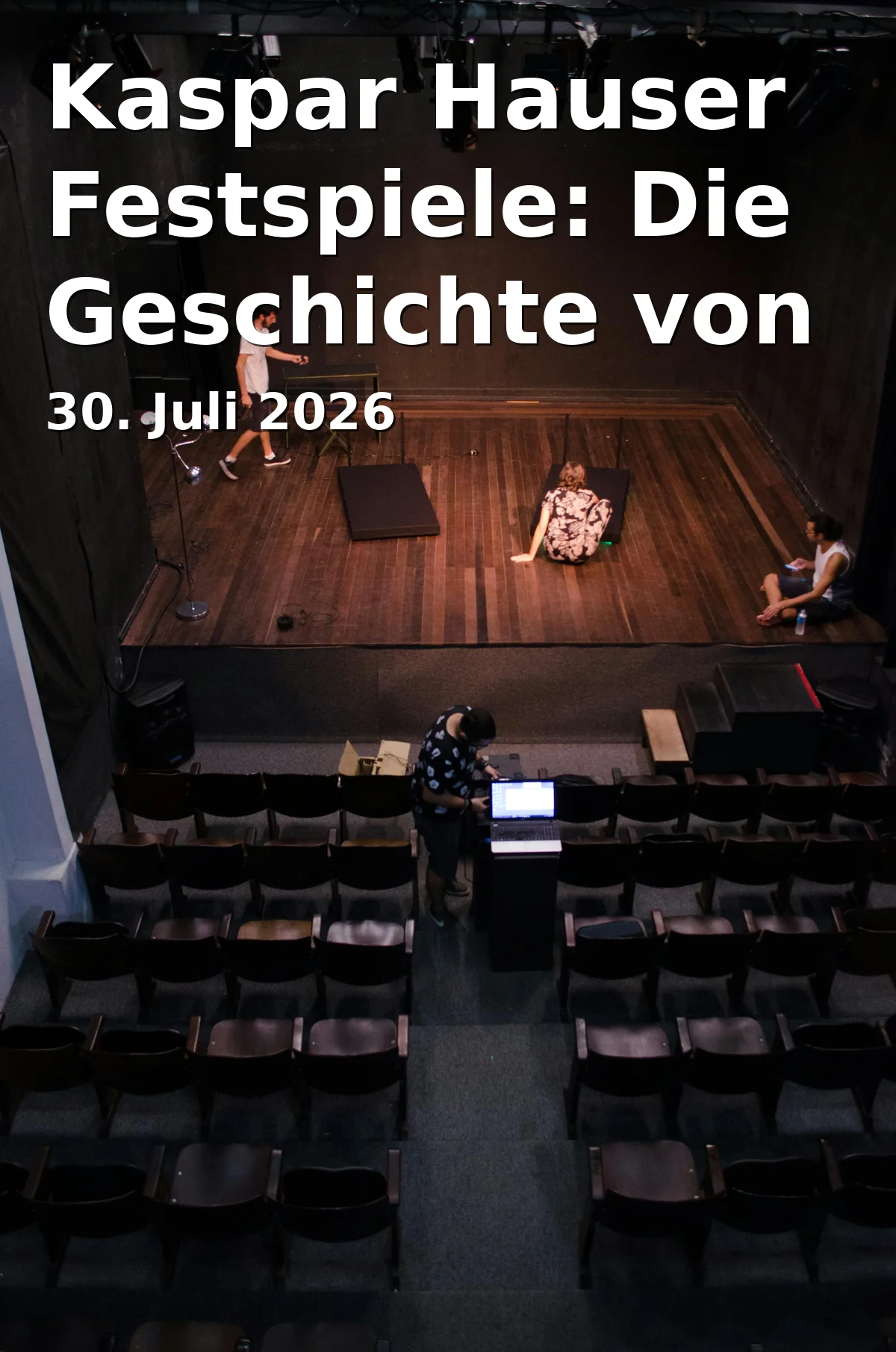
Kaspar Hauser Festival: The Story of Kaspar Hauser
Experience the story of Kaspar Hauser at the festival in Ansbach. A theater experience for the whole family on July 30, 2026.
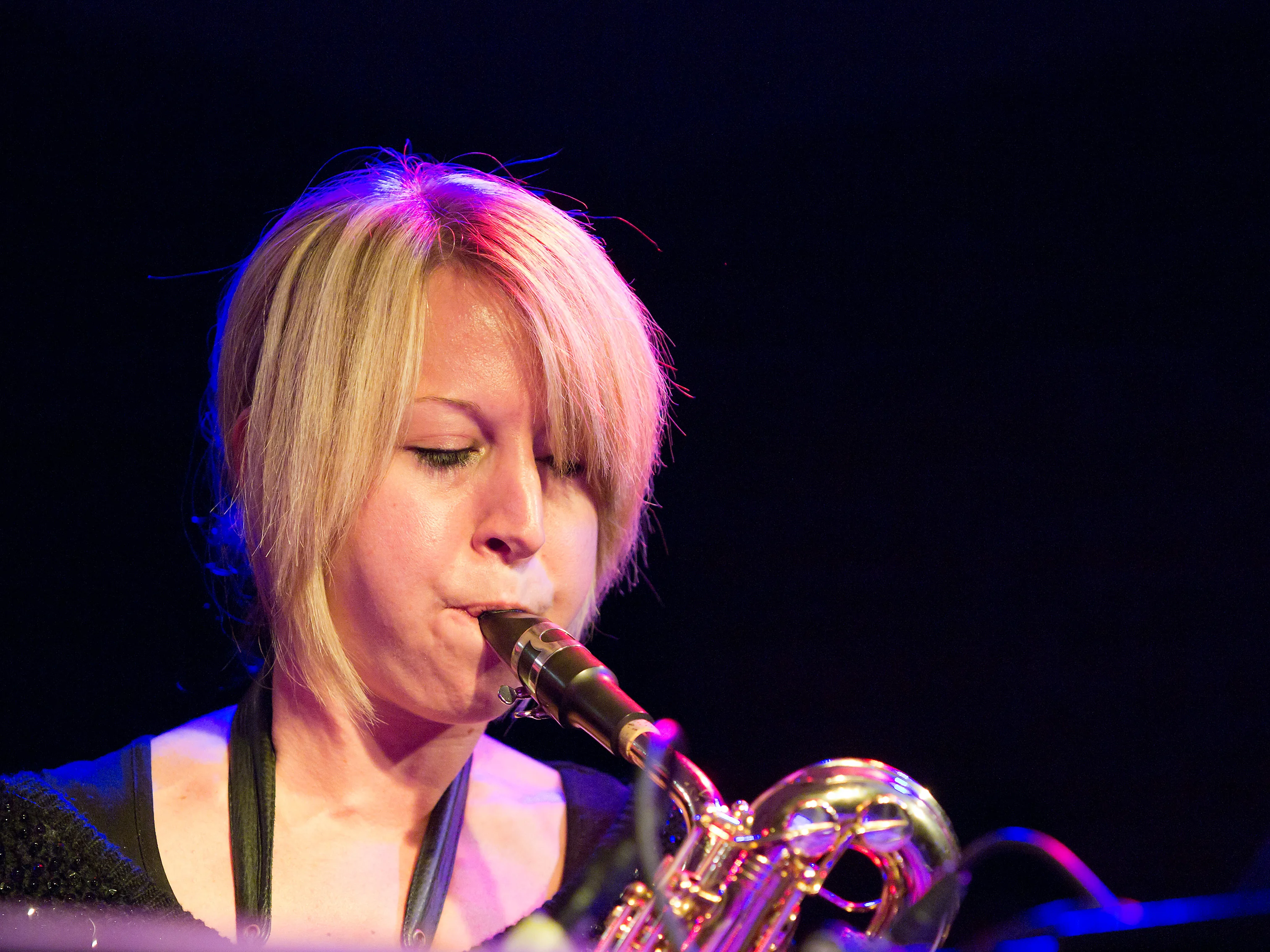
Jazztime: Stephanie Lottermoser and Band
A summer evening full of groove and jazz magic at the Museum Courtyard Ansbach: Stephanie Lottermoser and band bring energy, depth, and great live moments. #Jazz
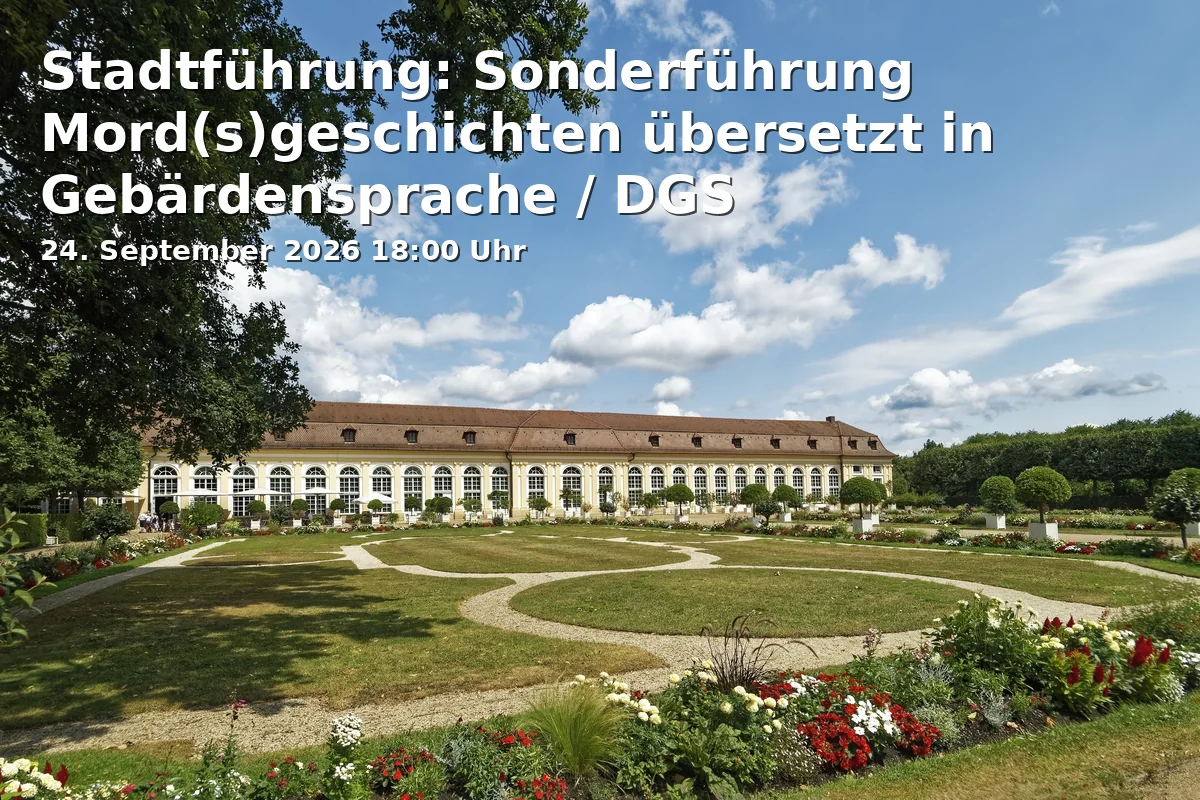
City Tour: Special Tour Murder Stories Translated into Sign Language / DGS
Experience Ansbach's dark history live: Kaspar Hauser, Court Garden, and historical traces in a special DGS tour. On 09/24/2026 for 6 Euros. #Ansbach
Frequently Asked Questions
Reviews
david antoun
16. September 2024
3 floors museum of Kaspar Hauser mystery, local life under the markgrave, turning Ansbach to Bavarian kingdom, life under Prussian and French rule, medieval collections and a view of the city in the small tour room. You get a discount if you visit the Residenz on the same day before coming here.
Dandylicious
28. April 2022
Charming complex of buildings devoted to the history of the city of Ansbach, the era of the Hohenzollern margraves (the last one sold his principalities to Prussia in 1791 before it became a part of the newly launched Kingdom of Bavaria in 1806) as well as the striking and still unsolved criminal case of 'Kaspar Hauser', a foundling and possibly heir to the Baden throne, who was killed locally in 1833. I personally loved the collection of Ansbach faience & porcelain (an even bigger collection can be visited for free at 'Residenz Ansbach') and the baroque lottery equipment. By the way, you mustn't forget to ascend the little tower on top of the main building. The view over the city is quite pretty.
Town Traveller
15. July 2019
A lot of art from the town. Very few with English translation, Kaspar Hauser's life is in full German.
Annastacia Ochuku
3. July 2017
If you think you will get English explanations think again! Rich history but all in German.
Katalin Agoston
2. August 2023
Interesting, somewhat random collection. Worth seeing.