

Ansbach
91522 Ansbach(410 m über NN), Ansbach
91522 Ansbach | Map & Area Code
91522 Ansbach is more than just a postal code and a location entry on the map. The search term refers to a city in Bavaria, located in the administrative district of Middle Franconia, which plays a special role as the government capital of this region and as a former residence city. Official tourism and city pages describe Ansbach as a place with over 1275 years of history, with a well-recognizable old town, significant buildings, and a location that is as interesting for visitors as it is for people who want to quickly orient themselves in everyday life. Those searching for Ansbach map, Ansbach Germany, or Ansbach Middle Franconia usually want to get exactly this classification: Where is the city located, how can it be reached, and what makes it special on-site? Ansbach provides clear answers to all these questions, as the city combines historical substance, administrative function, and a vibrant city center in a compact form. ([tourismus-ansbach.de](https://www.tourismus-ansbach.de/ansbach-erleben/geschichte))
91522 Ansbach on the Map: Location in Bavaria and Middle Franconia
Those searching for Ansbach on the map will find a city that is clearly located in West Middle Franconia and stands out immediately due to its regional significance. The official history describes Ansbach as the government capital of Middle Franconia and simultaneously refers to the long development from the early settlement area through the Gumbertus monastery to the residence city of the margraves. The city is situated on the historic Castle Road and borders the forest-rich Frankenhöhe Nature Park, giving it a distinct profile both geographically and touristically. This is helpful for visitors, as Ansbach offers a mix of city, history, and landscape that is not found everywhere in Southern Germany. The tourism page mentions around 42,200 inhabitants, making Ansbach large enough for a diverse range of offerings, yet manageable and easy to navigate. This size is particularly important for many search queries: When someone opens a map, they want to know if a destination can be reached on foot, if there is a compact city center, and if historical points can be easily connected. Ansbach fulfills this image perfectly, as the old town, residence, court garden, and tourist information are all located close together, forming a clear city center. The official tourism description also makes it clear that the city possesses a strong cultural and historical weight without appearing overwhelming. This is a key reason why Ansbach is so frequently searched for map, location, and orientation inquiries. ([tourismus-ansbach.de](https://www.tourismus-ansbach.de/ansbach-erleben/geschichte))
The location is also very pleasant for practical orientation. The center around Johann-Sebastian-Bach-Platz, promenade, residence, and court garden is not only historically shaped but also clearly signposted and well connected. The tourist information is located directly in the town hall in the heart of the old town, making it a natural starting point for a city tour. Those wanting to find their way in Ansbach quickly realize that many important places are intentionally located close together: Attractions, gastronomy, authorities, event venues, and parking options are arranged so that short distances are possible. This makes the city attractive for visitors who do not want to plan long but arrive spontaneously and still want to see a lot. The official page for the Orangerie also emphasizes good transport connections to trains, buses, and highways, making the location interesting for regional excursions as well. Thus, Ansbach on the map is not an abstract point but a well-accessible city center and cultural area where the old town, court garden, and residence can be connected in a short route. ([tourismus-ansbach.de](https://www.tourismus-ansbach.de/service/tourist-info))
Postal Code, Area Code, and Orientation for Arrival and Navigation
The postal code 91522 belongs to the city of Ansbach and is the first practical anchor for many search queries regarding map, navigation, address, or contact information. Equally important is the area code 0981, which is used for telephone inquiries about Ansbach and regularly appears in public local and contact information. Particularly for search queries like Ansbach area code or 91522 Bavaria Ansbach, it is often not about tourism but about quick orientation: Which place is meant, what is the correct number, and how do I get to the right address? The city pages indirectly confirm this orientation with many entries, all listed under 91522 Ansbach. This is especially helpful when one is not only searching for the city itself but also for specific destinations like authorities, museums, parking lots, or the tourist information. For users, it is important that Ansbach can be clearly located as an administrative and cultural site, and that the same location information appears in many official contacts. This makes the city very consistently represented for map and navigation searches. So, when searching for Germany, Middle Franconia, or Bavaria, one finds with Ansbach a clear place that can be quickly identified. The combination of postal code and area code is a classic local search pattern that is relevant for both private visits and for appointments, events, or city tours. ([de.wikipedia.org](https://de.wikipedia.org/wiki/Ansbach))
For practical planning, Ansbach also offers a number of points of contact that can be directly linked with the local information. The tourist information at Johann-Sebastian-Bach-Platz 1 is located right in the center and is therefore particularly easy to find. Those planning a route can orient themselves well at this point and then incorporate the residence, court garden, Orangerie, and St. Gumbertus as walkable destinations. Even in everyday life, the clear address helps because it immediately shows visitors that the most important facilities of the city are not on the outskirts but right in the historical core. This makes Ansbach uncomplicated for visitors: Upon arrival, one does not have to work through a confusing urban area but finds a clear center with an understandable structure. This is precisely why the search for map, postal code, and area code is so meaningful, as it bundles all the essential basic data needed for a visit. ([tourismus-ansbach.de](https://www.tourismus-ansbach.de/service/tourist-info))
Parking in Ansbach: City Center, Parking Garages, and Free Parking Spaces
A significant practical advantage of Ansbach is the parking situation in the city center. The city points out that currently more than 4,000 parking spaces are available in four different price categories. This makes the city center significantly more accessible for visitors than many other historical centers, where finding parking quickly becomes a problem. Particularly important for day guests are the free parking spaces at Aquella and the sports center as well as at the exhibition grounds, from which the historic old town can be reached in just a few minutes on foot. Such information is particularly valuable for search queries like Ansbach parking or Ansbach map, as it shows that one can not only see the city but also visit it practically. Additionally, parking is free on Sundays and public holidays in Ansbach, which further facilitates spontaneous excursions. Parking in the central zones is also clearly regulated, allowing visitors to plan their routes in advance. The city also informs that parking fees are charged on weekdays and Saturdays at certain times, and that modern payment methods like mobile parking in collaboration with EasyPark are available. This is a sign that Ansbach does not treat its historic city center as a museum but organizes it functionally for today's everyday life and for visitors. ([ansbach.de](https://www.ansbach.de/B%C3%BCrger/%C3%96PNV-Verkehr/Parken?utm_source=openai))
For longer stays or special forms of visits, the motorhome parking space is also interesting. The city offers visitors with motorhomes a parking space in close proximity to the city center at the leisure pool Aquella. There, there is space for over 27 parking spaces on approximately 1,500 square meters, fresh water, electricity connections, and free disposal. The parking space is about a ten-minute walk from the city center and is additionally connected to the center by bus line 751 from the Aquella stop. Thus, Ansbach appeals not only to classic drivers but also to campers looking for a central and easily accessible base. In total, this creates a very visitor-friendly parking and arrival picture: The old town is not isolated from the outside world but is well connected through large parking offers, clear zones, short walking distances, and digital payment options. Those who inform themselves in advance can visit the city relaxed and do not have to search for a free parking space on-site for a long time. ([ansbach.de](https://www.ansbach.de/Wohnmobilstellplatz?utm_source=openai))
History of Ansbach: Residence City, Government Capital, and Baroque Heritage
The history of Ansbach is a central argument for why the city frequently appears in map and information searches. The official tourism page speaks of a more than 1275-year-long, eventful, and tumultuous history. As early as 748, a Benedictine monastery was founded at the site by Gumbert, the parish is first mentioned in 1139, Ansbach appears for the first time as a city in 1221, and in 1456 the city became a residence through the imperial district court. These key dates show that Ansbach is not simply a modern district town but a place with a very long historical layering. Particularly significant is the connection to the Hohenzollerns and the margraves of Brandenburg-Ansbach, as central parts of today's cityscape originate from this time. Between 1705 and 1730, the palace was converted into a baroque princely residence; the interior was mainly created between 1734 and 1745 and is exceptionally well preserved to this day. This means for visitors: When entering Ansbach, one sees not only a beautiful old town but a historical ensemble that visibly makes the political and cultural role of the city over centuries. This interplay of history, power, and urban development continues to shape Ansbach today and explains why the city is so highly regarded in the Middle Franconia region. ([tourismus-ansbach.de](https://www.tourismus-ansbach.de/ansbach-erleben/geschichte))
The historical significance is also reflected in individual buildings and in the urban identity. The Margravial Residence is considered one of the most important places in the city because it evolved from a medieval complex and today offers an extraordinary insight into the courtly world with its Gothic hall, ceremonial rooms, and ceramics collection. At the same time, the interior remained largely unchanged after the end of the margrave era, which is particularly valuable for historical authenticity. St. Gumbertus is also a direct expression of the city's history: A monastery church stood at the site as early as 748, and later the Protestant church developed with its three-tower facade into one of the most defining buildings of Ansbach. The city is thus not only old but also very well readable in its historical development. Those searching for Ansbach Germany or Ansbach Bavaria therefore find not only a geographical location but a cultural memory piece of Franconia. The history explains the present: administrative seat, residence character, art, and a strong tourist identity visibly merge in Ansbach. ([tourismus-ansbach.de](https://www.tourismus-ansbach.de/ansbach-erleben/sehenswuerdigkeiten/markgraefliche-residenz))
The long history also shapes the current self-understanding of the city. Ansbach sees itself as the government capital of Middle Franconia, but at the same time as a city of the Rococo, the Hohenzollerns, and the great historical narratives. This also includes the memorial sites surrounding Kaspar Hauser, who lived in Ansbach from 1831 until his violent death in December 1833. This trace is still visible today and forms an important part of the urban narrative. Together with the residence, the court garden, and the ecclesiastical buildings, a historical overall picture emerges that goes far beyond individual attractions. For visitors, this means: Ansbach is not a city that one merely looks at superficially; it rewards every closer inspection with further stories, eyewitnesses, and architectural details. Therefore, historical information in Ansbach is never just background but belongs to the actual core of the search intention. ([tourismus-ansbach.de](https://www.tourismus-ansbach.de/entdecken-erleben/mythos-kaspar-hauser))
Sights in Ansbach: Court Garden, Orangerie, St. Gumbertus, and Kaspar Hauser
Among the most famous sights in Ansbach is the Court Garden, which according to the official description is one of the most beautiful garden facilities in Bavaria. The facility was newly laid out in Baroque style starting in 1724 and later transformed into an English landscape park. Today, both epochs combine to create a spacious, tranquil, and simultaneously representative garden landscape with linden alleys, medicinal herb gardens, flower beds, and the margravial Orangerie. This is an important signal for visitors searching for Ansbach on the map: The city offers not only buildings but also green spaces with historical significance. The Court Garden is publicly accessible and thus an ideal place for a relaxed walk between the old town and the residence. The Orangerie itself is a historical gem of Franconia and today serves as a café as well as a valued concert and conference venue. Depending on usage, it accommodates conferences and congresses ranging from 50 to 1000 people, has main halls and additional rooms, and is well connected by train, bus, and highways. Thus, it is a prime example of how history and modern use come together in Ansbach. ([tourismus-ansbach.de](https://www.tourismus-ansbach.de/ansbach-erleben/sehenswuerdigkeiten/orangerie-hofgarten))
Another key location is the Margravial Residence. It developed from a medieval complex, was baroque remodeled between 1705 and 1730, and possesses some of the most impressive interiors in the city, including the Gothic Hall, the ceramics collection, the festival hall, and the mirror cabinet. The residence is not only a museum but also a place of courtly culture where the history of the margraves comes alive. Directly opposite, the Court Garden invites nature enjoyment, allowing visitors to experience the transition from architecture to landscape immediately. St. Gumbertus complements this picture with its three-tower facade, the long church and city history, and its current role as a venue for ecclesiastical events, such as during the Ansbach church music, the Windsbach Boys' Choir, and during the Bach Week. The church is thus both a monument and a vibrant event space. Together with the princely crypt and the Gumbertus sculpture, a dense historical space emerges that bundles the religious and courtly past of the city in a small area. ([tourismus-ansbach.de](https://www.tourismus-ansbach.de/ansbach-erleben/sehenswuerdigkeiten/markgraefliche-residenz))
Kaspar Hauser also remains a defining name in Ansbach. The official tourism page describes him as the child of Europe, who lived in Ansbach from 1831 to 1833; this includes places like the Kaspar Hauser memorial, the Margrave Museum with a Kaspar Hauser section, and other memorial sites in the city center. Particularly for culture-interested visitors, this theme expands the city visit by a very human and simultaneously mysterious level. Thus, Ansbach is not only baroque and courtly but also shaped by one of the most well-known historical figures in Germany. Therefore, when visiting the city, one can take a tour that connects garden, residence, church, and culture of remembrance. This is a key reason why the city offers so much more in search queries than mere location data. It is a place with identity, depth, and many stories that can be directly read in the cityscape. ([tourismus-ansbach.de](https://www.tourismus-ansbach.de/entdecken-erleben/mythos-kaspar-hauser))
The cultural profile is further enhanced by events. The Ansbach Rococo Festival is an important event that regularly transforms the city into a baroque stage. The tourism page highlights that the anniversary year 2025 was associated with ten festival days, exhibitions, masquerade parties, readings, concerts, and a baroque casino evening, setting the whole city in motion. This makes it clear that Ansbach not only preserves its history but actively translates it into the present. For visitors searching for Ansbach attractions, city history, or historical programs, this is an ideal point of contact. The connection of festival, Rococo, residence, and old town makes Ansbach a place where history does not remain static but functions as an experience. ([tourismus-ansbach.de](https://www.tourismus-ansbach.de/kunst-kultur/kulturveranstaltungen/rokoko-festspiele))
Tourist Information, City Tours, and Practical Tips for the Visit
Those who want to truly get to know Ansbach should best start their visit at the Tourist Information. It is located in the town hall at Johann-Sebastian-Bach-Platz 1, right in the heart of the old town, making it a very logical starting point for anyone looking for a map, city plan, history, or city tour. The Tourist Information is certified as a quality tourist information center with the i-mark quality seal and additionally offers practical services such as a free public toilet in the town hall and a refill station for drinking water. It is open Monday to Friday from 10 AM to 1 PM and 2 PM to 5 PM, as well as Saturdays from 10 AM to 2 PM. This combination of service, location, and information makes the visit uncomplicated. Upon arriving in Ansbach, one finds not only brochures and information but also a contact person for city history and tours. This is particularly helpful for first-time visitors who do not just want to walk through the city but want to understand the historical context. Tours through the old town, the court garden, or to individual attractions can be easily combined with a spontaneous visit. ([tourismus-ansbach.de](https://www.tourismus-ansbach.de/service/tourist-info))
For longer stays, Ansbach is also practically organized. The city offers not only classic parking spaces but also a motorhome parking space in close proximity to the city center at the leisure pool Aquella. There are over 27 parking spaces, fresh water, electricity, and free disposal; additionally, the center is reachable on foot in about ten minutes. Those who prefer to use public transport benefit from the fact that the Orangerie side mentions good connections to trains, buses, and highways. Thus, Ansbach can be flexibly visited: as a short walk through the old town, as a day trip with parking, or as a multi-day tour with a motorhome. This practical aspect is important for search queries like Ansbach Germany, Ansbach Middle Franconia, or Ansbach map, as it answers the question of whether the place can be easily navigated in everyday life. The answer is clearly yes, as the infrastructure is geared towards visitors and the distances between attractions are short. ([ansbach.de](https://www.ansbach.de/Wohnmobilstellplatz?utm_source=openai))
A successful visit to Ansbach works best as a combination of orientation, short distances, and thematic selection. Those with little time can connect the residence, court garden, Orangerie, and St. Gumbertus in a compact route and then stop in the old town. Those who have more time can extend the tour to include Kaspar Hauser sites, museums, or a city tour. The official city page provides a clear content basis for this, while the Tourist Information helps with practical planning. This is how the search term 91522 Ansbach becomes a real visitor experience: from a postal code to a vibrant place with history, culture, and well-organized infrastructure. This is ideal for both SEO and users, as the place is not only described but made directly experienceable. ([tourismus-ansbach.de](https://www.tourismus-ansbach.de/service/tourist-info))
Sources:
Mehr anzeigenWeniger anzeigen
91522 Ansbach | Map & Area Code
91522 Ansbach is more than just a postal code and a location entry on the map. The search term refers to a city in Bavaria, located in the administrative district of Middle Franconia, which plays a special role as the government capital of this region and as a former residence city. Official tourism and city pages describe Ansbach as a place with over 1275 years of history, with a well-recognizable old town, significant buildings, and a location that is as interesting for visitors as it is for people who want to quickly orient themselves in everyday life. Those searching for Ansbach map, Ansbach Germany, or Ansbach Middle Franconia usually want to get exactly this classification: Where is the city located, how can it be reached, and what makes it special on-site? Ansbach provides clear answers to all these questions, as the city combines historical substance, administrative function, and a vibrant city center in a compact form. ([tourismus-ansbach.de](https://www.tourismus-ansbach.de/ansbach-erleben/geschichte))
91522 Ansbach on the Map: Location in Bavaria and Middle Franconia
Those searching for Ansbach on the map will find a city that is clearly located in West Middle Franconia and stands out immediately due to its regional significance. The official history describes Ansbach as the government capital of Middle Franconia and simultaneously refers to the long development from the early settlement area through the Gumbertus monastery to the residence city of the margraves. The city is situated on the historic Castle Road and borders the forest-rich Frankenhöhe Nature Park, giving it a distinct profile both geographically and touristically. This is helpful for visitors, as Ansbach offers a mix of city, history, and landscape that is not found everywhere in Southern Germany. The tourism page mentions around 42,200 inhabitants, making Ansbach large enough for a diverse range of offerings, yet manageable and easy to navigate. This size is particularly important for many search queries: When someone opens a map, they want to know if a destination can be reached on foot, if there is a compact city center, and if historical points can be easily connected. Ansbach fulfills this image perfectly, as the old town, residence, court garden, and tourist information are all located close together, forming a clear city center. The official tourism description also makes it clear that the city possesses a strong cultural and historical weight without appearing overwhelming. This is a key reason why Ansbach is so frequently searched for map, location, and orientation inquiries. ([tourismus-ansbach.de](https://www.tourismus-ansbach.de/ansbach-erleben/geschichte))
The location is also very pleasant for practical orientation. The center around Johann-Sebastian-Bach-Platz, promenade, residence, and court garden is not only historically shaped but also clearly signposted and well connected. The tourist information is located directly in the town hall in the heart of the old town, making it a natural starting point for a city tour. Those wanting to find their way in Ansbach quickly realize that many important places are intentionally located close together: Attractions, gastronomy, authorities, event venues, and parking options are arranged so that short distances are possible. This makes the city attractive for visitors who do not want to plan long but arrive spontaneously and still want to see a lot. The official page for the Orangerie also emphasizes good transport connections to trains, buses, and highways, making the location interesting for regional excursions as well. Thus, Ansbach on the map is not an abstract point but a well-accessible city center and cultural area where the old town, court garden, and residence can be connected in a short route. ([tourismus-ansbach.de](https://www.tourismus-ansbach.de/service/tourist-info))
Postal Code, Area Code, and Orientation for Arrival and Navigation
The postal code 91522 belongs to the city of Ansbach and is the first practical anchor for many search queries regarding map, navigation, address, or contact information. Equally important is the area code 0981, which is used for telephone inquiries about Ansbach and regularly appears in public local and contact information. Particularly for search queries like Ansbach area code or 91522 Bavaria Ansbach, it is often not about tourism but about quick orientation: Which place is meant, what is the correct number, and how do I get to the right address? The city pages indirectly confirm this orientation with many entries, all listed under 91522 Ansbach. This is especially helpful when one is not only searching for the city itself but also for specific destinations like authorities, museums, parking lots, or the tourist information. For users, it is important that Ansbach can be clearly located as an administrative and cultural site, and that the same location information appears in many official contacts. This makes the city very consistently represented for map and navigation searches. So, when searching for Germany, Middle Franconia, or Bavaria, one finds with Ansbach a clear place that can be quickly identified. The combination of postal code and area code is a classic local search pattern that is relevant for both private visits and for appointments, events, or city tours. ([de.wikipedia.org](https://de.wikipedia.org/wiki/Ansbach))
For practical planning, Ansbach also offers a number of points of contact that can be directly linked with the local information. The tourist information at Johann-Sebastian-Bach-Platz 1 is located right in the center and is therefore particularly easy to find. Those planning a route can orient themselves well at this point and then incorporate the residence, court garden, Orangerie, and St. Gumbertus as walkable destinations. Even in everyday life, the clear address helps because it immediately shows visitors that the most important facilities of the city are not on the outskirts but right in the historical core. This makes Ansbach uncomplicated for visitors: Upon arrival, one does not have to work through a confusing urban area but finds a clear center with an understandable structure. This is precisely why the search for map, postal code, and area code is so meaningful, as it bundles all the essential basic data needed for a visit. ([tourismus-ansbach.de](https://www.tourismus-ansbach.de/service/tourist-info))
Parking in Ansbach: City Center, Parking Garages, and Free Parking Spaces
A significant practical advantage of Ansbach is the parking situation in the city center. The city points out that currently more than 4,000 parking spaces are available in four different price categories. This makes the city center significantly more accessible for visitors than many other historical centers, where finding parking quickly becomes a problem. Particularly important for day guests are the free parking spaces at Aquella and the sports center as well as at the exhibition grounds, from which the historic old town can be reached in just a few minutes on foot. Such information is particularly valuable for search queries like Ansbach parking or Ansbach map, as it shows that one can not only see the city but also visit it practically. Additionally, parking is free on Sundays and public holidays in Ansbach, which further facilitates spontaneous excursions. Parking in the central zones is also clearly regulated, allowing visitors to plan their routes in advance. The city also informs that parking fees are charged on weekdays and Saturdays at certain times, and that modern payment methods like mobile parking in collaboration with EasyPark are available. This is a sign that Ansbach does not treat its historic city center as a museum but organizes it functionally for today's everyday life and for visitors. ([ansbach.de](https://www.ansbach.de/B%C3%BCrger/%C3%96PNV-Verkehr/Parken?utm_source=openai))
For longer stays or special forms of visits, the motorhome parking space is also interesting. The city offers visitors with motorhomes a parking space in close proximity to the city center at the leisure pool Aquella. There, there is space for over 27 parking spaces on approximately 1,500 square meters, fresh water, electricity connections, and free disposal. The parking space is about a ten-minute walk from the city center and is additionally connected to the center by bus line 751 from the Aquella stop. Thus, Ansbach appeals not only to classic drivers but also to campers looking for a central and easily accessible base. In total, this creates a very visitor-friendly parking and arrival picture: The old town is not isolated from the outside world but is well connected through large parking offers, clear zones, short walking distances, and digital payment options. Those who inform themselves in advance can visit the city relaxed and do not have to search for a free parking space on-site for a long time. ([ansbach.de](https://www.ansbach.de/Wohnmobilstellplatz?utm_source=openai))
History of Ansbach: Residence City, Government Capital, and Baroque Heritage
The history of Ansbach is a central argument for why the city frequently appears in map and information searches. The official tourism page speaks of a more than 1275-year-long, eventful, and tumultuous history. As early as 748, a Benedictine monastery was founded at the site by Gumbert, the parish is first mentioned in 1139, Ansbach appears for the first time as a city in 1221, and in 1456 the city became a residence through the imperial district court. These key dates show that Ansbach is not simply a modern district town but a place with a very long historical layering. Particularly significant is the connection to the Hohenzollerns and the margraves of Brandenburg-Ansbach, as central parts of today's cityscape originate from this time. Between 1705 and 1730, the palace was converted into a baroque princely residence; the interior was mainly created between 1734 and 1745 and is exceptionally well preserved to this day. This means for visitors: When entering Ansbach, one sees not only a beautiful old town but a historical ensemble that visibly makes the political and cultural role of the city over centuries. This interplay of history, power, and urban development continues to shape Ansbach today and explains why the city is so highly regarded in the Middle Franconia region. ([tourismus-ansbach.de](https://www.tourismus-ansbach.de/ansbach-erleben/geschichte))
The historical significance is also reflected in individual buildings and in the urban identity. The Margravial Residence is considered one of the most important places in the city because it evolved from a medieval complex and today offers an extraordinary insight into the courtly world with its Gothic hall, ceremonial rooms, and ceramics collection. At the same time, the interior remained largely unchanged after the end of the margrave era, which is particularly valuable for historical authenticity. St. Gumbertus is also a direct expression of the city's history: A monastery church stood at the site as early as 748, and later the Protestant church developed with its three-tower facade into one of the most defining buildings of Ansbach. The city is thus not only old but also very well readable in its historical development. Those searching for Ansbach Germany or Ansbach Bavaria therefore find not only a geographical location but a cultural memory piece of Franconia. The history explains the present: administrative seat, residence character, art, and a strong tourist identity visibly merge in Ansbach. ([tourismus-ansbach.de](https://www.tourismus-ansbach.de/ansbach-erleben/sehenswuerdigkeiten/markgraefliche-residenz))
The long history also shapes the current self-understanding of the city. Ansbach sees itself as the government capital of Middle Franconia, but at the same time as a city of the Rococo, the Hohenzollerns, and the great historical narratives. This also includes the memorial sites surrounding Kaspar Hauser, who lived in Ansbach from 1831 until his violent death in December 1833. This trace is still visible today and forms an important part of the urban narrative. Together with the residence, the court garden, and the ecclesiastical buildings, a historical overall picture emerges that goes far beyond individual attractions. For visitors, this means: Ansbach is not a city that one merely looks at superficially; it rewards every closer inspection with further stories, eyewitnesses, and architectural details. Therefore, historical information in Ansbach is never just background but belongs to the actual core of the search intention. ([tourismus-ansbach.de](https://www.tourismus-ansbach.de/entdecken-erleben/mythos-kaspar-hauser))
Sights in Ansbach: Court Garden, Orangerie, St. Gumbertus, and Kaspar Hauser
Among the most famous sights in Ansbach is the Court Garden, which according to the official description is one of the most beautiful garden facilities in Bavaria. The facility was newly laid out in Baroque style starting in 1724 and later transformed into an English landscape park. Today, both epochs combine to create a spacious, tranquil, and simultaneously representative garden landscape with linden alleys, medicinal herb gardens, flower beds, and the margravial Orangerie. This is an important signal for visitors searching for Ansbach on the map: The city offers not only buildings but also green spaces with historical significance. The Court Garden is publicly accessible and thus an ideal place for a relaxed walk between the old town and the residence. The Orangerie itself is a historical gem of Franconia and today serves as a café as well as a valued concert and conference venue. Depending on usage, it accommodates conferences and congresses ranging from 50 to 1000 people, has main halls and additional rooms, and is well connected by train, bus, and highways. Thus, it is a prime example of how history and modern use come together in Ansbach. ([tourismus-ansbach.de](https://www.tourismus-ansbach.de/ansbach-erleben/sehenswuerdigkeiten/orangerie-hofgarten))
Another key location is the Margravial Residence. It developed from a medieval complex, was baroque remodeled between 1705 and 1730, and possesses some of the most impressive interiors in the city, including the Gothic Hall, the ceramics collection, the festival hall, and the mirror cabinet. The residence is not only a museum but also a place of courtly culture where the history of the margraves comes alive. Directly opposite, the Court Garden invites nature enjoyment, allowing visitors to experience the transition from architecture to landscape immediately. St. Gumbertus complements this picture with its three-tower facade, the long church and city history, and its current role as a venue for ecclesiastical events, such as during the Ansbach church music, the Windsbach Boys' Choir, and during the Bach Week. The church is thus both a monument and a vibrant event space. Together with the princely crypt and the Gumbertus sculpture, a dense historical space emerges that bundles the religious and courtly past of the city in a small area. ([tourismus-ansbach.de](https://www.tourismus-ansbach.de/ansbach-erleben/sehenswuerdigkeiten/markgraefliche-residenz))
Kaspar Hauser also remains a defining name in Ansbach. The official tourism page describes him as the child of Europe, who lived in Ansbach from 1831 to 1833; this includes places like the Kaspar Hauser memorial, the Margrave Museum with a Kaspar Hauser section, and other memorial sites in the city center. Particularly for culture-interested visitors, this theme expands the city visit by a very human and simultaneously mysterious level. Thus, Ansbach is not only baroque and courtly but also shaped by one of the most well-known historical figures in Germany. Therefore, when visiting the city, one can take a tour that connects garden, residence, church, and culture of remembrance. This is a key reason why the city offers so much more in search queries than mere location data. It is a place with identity, depth, and many stories that can be directly read in the cityscape. ([tourismus-ansbach.de](https://www.tourismus-ansbach.de/entdecken-erleben/mythos-kaspar-hauser))
The cultural profile is further enhanced by events. The Ansbach Rococo Festival is an important event that regularly transforms the city into a baroque stage. The tourism page highlights that the anniversary year 2025 was associated with ten festival days, exhibitions, masquerade parties, readings, concerts, and a baroque casino evening, setting the whole city in motion. This makes it clear that Ansbach not only preserves its history but actively translates it into the present. For visitors searching for Ansbach attractions, city history, or historical programs, this is an ideal point of contact. The connection of festival, Rococo, residence, and old town makes Ansbach a place where history does not remain static but functions as an experience. ([tourismus-ansbach.de](https://www.tourismus-ansbach.de/kunst-kultur/kulturveranstaltungen/rokoko-festspiele))
Tourist Information, City Tours, and Practical Tips for the Visit
Those who want to truly get to know Ansbach should best start their visit at the Tourist Information. It is located in the town hall at Johann-Sebastian-Bach-Platz 1, right in the heart of the old town, making it a very logical starting point for anyone looking for a map, city plan, history, or city tour. The Tourist Information is certified as a quality tourist information center with the i-mark quality seal and additionally offers practical services such as a free public toilet in the town hall and a refill station for drinking water. It is open Monday to Friday from 10 AM to 1 PM and 2 PM to 5 PM, as well as Saturdays from 10 AM to 2 PM. This combination of service, location, and information makes the visit uncomplicated. Upon arriving in Ansbach, one finds not only brochures and information but also a contact person for city history and tours. This is particularly helpful for first-time visitors who do not just want to walk through the city but want to understand the historical context. Tours through the old town, the court garden, or to individual attractions can be easily combined with a spontaneous visit. ([tourismus-ansbach.de](https://www.tourismus-ansbach.de/service/tourist-info))
For longer stays, Ansbach is also practically organized. The city offers not only classic parking spaces but also a motorhome parking space in close proximity to the city center at the leisure pool Aquella. There are over 27 parking spaces, fresh water, electricity, and free disposal; additionally, the center is reachable on foot in about ten minutes. Those who prefer to use public transport benefit from the fact that the Orangerie side mentions good connections to trains, buses, and highways. Thus, Ansbach can be flexibly visited: as a short walk through the old town, as a day trip with parking, or as a multi-day tour with a motorhome. This practical aspect is important for search queries like Ansbach Germany, Ansbach Middle Franconia, or Ansbach map, as it answers the question of whether the place can be easily navigated in everyday life. The answer is clearly yes, as the infrastructure is geared towards visitors and the distances between attractions are short. ([ansbach.de](https://www.ansbach.de/Wohnmobilstellplatz?utm_source=openai))
A successful visit to Ansbach works best as a combination of orientation, short distances, and thematic selection. Those with little time can connect the residence, court garden, Orangerie, and St. Gumbertus in a compact route and then stop in the old town. Those who have more time can extend the tour to include Kaspar Hauser sites, museums, or a city tour. The official city page provides a clear content basis for this, while the Tourist Information helps with practical planning. This is how the search term 91522 Ansbach becomes a real visitor experience: from a postal code to a vibrant place with history, culture, and well-organized infrastructure. This is ideal for both SEO and users, as the place is not only described but made directly experienceable. ([tourismus-ansbach.de](https://www.tourismus-ansbach.de/service/tourist-info))
Sources:
91522 Ansbach | Map & Area Code
91522 Ansbach is more than just a postal code and a location entry on the map. The search term refers to a city in Bavaria, located in the administrative district of Middle Franconia, which plays a special role as the government capital of this region and as a former residence city. Official tourism and city pages describe Ansbach as a place with over 1275 years of history, with a well-recognizable old town, significant buildings, and a location that is as interesting for visitors as it is for people who want to quickly orient themselves in everyday life. Those searching for Ansbach map, Ansbach Germany, or Ansbach Middle Franconia usually want to get exactly this classification: Where is the city located, how can it be reached, and what makes it special on-site? Ansbach provides clear answers to all these questions, as the city combines historical substance, administrative function, and a vibrant city center in a compact form. ([tourismus-ansbach.de](https://www.tourismus-ansbach.de/ansbach-erleben/geschichte))
91522 Ansbach on the Map: Location in Bavaria and Middle Franconia
Those searching for Ansbach on the map will find a city that is clearly located in West Middle Franconia and stands out immediately due to its regional significance. The official history describes Ansbach as the government capital of Middle Franconia and simultaneously refers to the long development from the early settlement area through the Gumbertus monastery to the residence city of the margraves. The city is situated on the historic Castle Road and borders the forest-rich Frankenhöhe Nature Park, giving it a distinct profile both geographically and touristically. This is helpful for visitors, as Ansbach offers a mix of city, history, and landscape that is not found everywhere in Southern Germany. The tourism page mentions around 42,200 inhabitants, making Ansbach large enough for a diverse range of offerings, yet manageable and easy to navigate. This size is particularly important for many search queries: When someone opens a map, they want to know if a destination can be reached on foot, if there is a compact city center, and if historical points can be easily connected. Ansbach fulfills this image perfectly, as the old town, residence, court garden, and tourist information are all located close together, forming a clear city center. The official tourism description also makes it clear that the city possesses a strong cultural and historical weight without appearing overwhelming. This is a key reason why Ansbach is so frequently searched for map, location, and orientation inquiries. ([tourismus-ansbach.de](https://www.tourismus-ansbach.de/ansbach-erleben/geschichte))
The location is also very pleasant for practical orientation. The center around Johann-Sebastian-Bach-Platz, promenade, residence, and court garden is not only historically shaped but also clearly signposted and well connected. The tourist information is located directly in the town hall in the heart of the old town, making it a natural starting point for a city tour. Those wanting to find their way in Ansbach quickly realize that many important places are intentionally located close together: Attractions, gastronomy, authorities, event venues, and parking options are arranged so that short distances are possible. This makes the city attractive for visitors who do not want to plan long but arrive spontaneously and still want to see a lot. The official page for the Orangerie also emphasizes good transport connections to trains, buses, and highways, making the location interesting for regional excursions as well. Thus, Ansbach on the map is not an abstract point but a well-accessible city center and cultural area where the old town, court garden, and residence can be connected in a short route. ([tourismus-ansbach.de](https://www.tourismus-ansbach.de/service/tourist-info))
Postal Code, Area Code, and Orientation for Arrival and Navigation
The postal code 91522 belongs to the city of Ansbach and is the first practical anchor for many search queries regarding map, navigation, address, or contact information. Equally important is the area code 0981, which is used for telephone inquiries about Ansbach and regularly appears in public local and contact information. Particularly for search queries like Ansbach area code or 91522 Bavaria Ansbach, it is often not about tourism but about quick orientation: Which place is meant, what is the correct number, and how do I get to the right address? The city pages indirectly confirm this orientation with many entries, all listed under 91522 Ansbach. This is especially helpful when one is not only searching for the city itself but also for specific destinations like authorities, museums, parking lots, or the tourist information. For users, it is important that Ansbach can be clearly located as an administrative and cultural site, and that the same location information appears in many official contacts. This makes the city very consistently represented for map and navigation searches. So, when searching for Germany, Middle Franconia, or Bavaria, one finds with Ansbach a clear place that can be quickly identified. The combination of postal code and area code is a classic local search pattern that is relevant for both private visits and for appointments, events, or city tours. ([de.wikipedia.org](https://de.wikipedia.org/wiki/Ansbach))
For practical planning, Ansbach also offers a number of points of contact that can be directly linked with the local information. The tourist information at Johann-Sebastian-Bach-Platz 1 is located right in the center and is therefore particularly easy to find. Those planning a route can orient themselves well at this point and then incorporate the residence, court garden, Orangerie, and St. Gumbertus as walkable destinations. Even in everyday life, the clear address helps because it immediately shows visitors that the most important facilities of the city are not on the outskirts but right in the historical core. This makes Ansbach uncomplicated for visitors: Upon arrival, one does not have to work through a confusing urban area but finds a clear center with an understandable structure. This is precisely why the search for map, postal code, and area code is so meaningful, as it bundles all the essential basic data needed for a visit. ([tourismus-ansbach.de](https://www.tourismus-ansbach.de/service/tourist-info))
Parking in Ansbach: City Center, Parking Garages, and Free Parking Spaces
A significant practical advantage of Ansbach is the parking situation in the city center. The city points out that currently more than 4,000 parking spaces are available in four different price categories. This makes the city center significantly more accessible for visitors than many other historical centers, where finding parking quickly becomes a problem. Particularly important for day guests are the free parking spaces at Aquella and the sports center as well as at the exhibition grounds, from which the historic old town can be reached in just a few minutes on foot. Such information is particularly valuable for search queries like Ansbach parking or Ansbach map, as it shows that one can not only see the city but also visit it practically. Additionally, parking is free on Sundays and public holidays in Ansbach, which further facilitates spontaneous excursions. Parking in the central zones is also clearly regulated, allowing visitors to plan their routes in advance. The city also informs that parking fees are charged on weekdays and Saturdays at certain times, and that modern payment methods like mobile parking in collaboration with EasyPark are available. This is a sign that Ansbach does not treat its historic city center as a museum but organizes it functionally for today's everyday life and for visitors. ([ansbach.de](https://www.ansbach.de/B%C3%BCrger/%C3%96PNV-Verkehr/Parken?utm_source=openai))
For longer stays or special forms of visits, the motorhome parking space is also interesting. The city offers visitors with motorhomes a parking space in close proximity to the city center at the leisure pool Aquella. There, there is space for over 27 parking spaces on approximately 1,500 square meters, fresh water, electricity connections, and free disposal. The parking space is about a ten-minute walk from the city center and is additionally connected to the center by bus line 751 from the Aquella stop. Thus, Ansbach appeals not only to classic drivers but also to campers looking for a central and easily accessible base. In total, this creates a very visitor-friendly parking and arrival picture: The old town is not isolated from the outside world but is well connected through large parking offers, clear zones, short walking distances, and digital payment options. Those who inform themselves in advance can visit the city relaxed and do not have to search for a free parking space on-site for a long time. ([ansbach.de](https://www.ansbach.de/Wohnmobilstellplatz?utm_source=openai))
History of Ansbach: Residence City, Government Capital, and Baroque Heritage
The history of Ansbach is a central argument for why the city frequently appears in map and information searches. The official tourism page speaks of a more than 1275-year-long, eventful, and tumultuous history. As early as 748, a Benedictine monastery was founded at the site by Gumbert, the parish is first mentioned in 1139, Ansbach appears for the first time as a city in 1221, and in 1456 the city became a residence through the imperial district court. These key dates show that Ansbach is not simply a modern district town but a place with a very long historical layering. Particularly significant is the connection to the Hohenzollerns and the margraves of Brandenburg-Ansbach, as central parts of today's cityscape originate from this time. Between 1705 and 1730, the palace was converted into a baroque princely residence; the interior was mainly created between 1734 and 1745 and is exceptionally well preserved to this day. This means for visitors: When entering Ansbach, one sees not only a beautiful old town but a historical ensemble that visibly makes the political and cultural role of the city over centuries. This interplay of history, power, and urban development continues to shape Ansbach today and explains why the city is so highly regarded in the Middle Franconia region. ([tourismus-ansbach.de](https://www.tourismus-ansbach.de/ansbach-erleben/geschichte))
The historical significance is also reflected in individual buildings and in the urban identity. The Margravial Residence is considered one of the most important places in the city because it evolved from a medieval complex and today offers an extraordinary insight into the courtly world with its Gothic hall, ceremonial rooms, and ceramics collection. At the same time, the interior remained largely unchanged after the end of the margrave era, which is particularly valuable for historical authenticity. St. Gumbertus is also a direct expression of the city's history: A monastery church stood at the site as early as 748, and later the Protestant church developed with its three-tower facade into one of the most defining buildings of Ansbach. The city is thus not only old but also very well readable in its historical development. Those searching for Ansbach Germany or Ansbach Bavaria therefore find not only a geographical location but a cultural memory piece of Franconia. The history explains the present: administrative seat, residence character, art, and a strong tourist identity visibly merge in Ansbach. ([tourismus-ansbach.de](https://www.tourismus-ansbach.de/ansbach-erleben/sehenswuerdigkeiten/markgraefliche-residenz))
The long history also shapes the current self-understanding of the city. Ansbach sees itself as the government capital of Middle Franconia, but at the same time as a city of the Rococo, the Hohenzollerns, and the great historical narratives. This also includes the memorial sites surrounding Kaspar Hauser, who lived in Ansbach from 1831 until his violent death in December 1833. This trace is still visible today and forms an important part of the urban narrative. Together with the residence, the court garden, and the ecclesiastical buildings, a historical overall picture emerges that goes far beyond individual attractions. For visitors, this means: Ansbach is not a city that one merely looks at superficially; it rewards every closer inspection with further stories, eyewitnesses, and architectural details. Therefore, historical information in Ansbach is never just background but belongs to the actual core of the search intention. ([tourismus-ansbach.de](https://www.tourismus-ansbach.de/entdecken-erleben/mythos-kaspar-hauser))
Sights in Ansbach: Court Garden, Orangerie, St. Gumbertus, and Kaspar Hauser
Among the most famous sights in Ansbach is the Court Garden, which according to the official description is one of the most beautiful garden facilities in Bavaria. The facility was newly laid out in Baroque style starting in 1724 and later transformed into an English landscape park. Today, both epochs combine to create a spacious, tranquil, and simultaneously representative garden landscape with linden alleys, medicinal herb gardens, flower beds, and the margravial Orangerie. This is an important signal for visitors searching for Ansbach on the map: The city offers not only buildings but also green spaces with historical significance. The Court Garden is publicly accessible and thus an ideal place for a relaxed walk between the old town and the residence. The Orangerie itself is a historical gem of Franconia and today serves as a café as well as a valued concert and conference venue. Depending on usage, it accommodates conferences and congresses ranging from 50 to 1000 people, has main halls and additional rooms, and is well connected by train, bus, and highways. Thus, it is a prime example of how history and modern use come together in Ansbach. ([tourismus-ansbach.de](https://www.tourismus-ansbach.de/ansbach-erleben/sehenswuerdigkeiten/orangerie-hofgarten))
Another key location is the Margravial Residence. It developed from a medieval complex, was baroque remodeled between 1705 and 1730, and possesses some of the most impressive interiors in the city, including the Gothic Hall, the ceramics collection, the festival hall, and the mirror cabinet. The residence is not only a museum but also a place of courtly culture where the history of the margraves comes alive. Directly opposite, the Court Garden invites nature enjoyment, allowing visitors to experience the transition from architecture to landscape immediately. St. Gumbertus complements this picture with its three-tower facade, the long church and city history, and its current role as a venue for ecclesiastical events, such as during the Ansbach church music, the Windsbach Boys' Choir, and during the Bach Week. The church is thus both a monument and a vibrant event space. Together with the princely crypt and the Gumbertus sculpture, a dense historical space emerges that bundles the religious and courtly past of the city in a small area. ([tourismus-ansbach.de](https://www.tourismus-ansbach.de/ansbach-erleben/sehenswuerdigkeiten/markgraefliche-residenz))
Kaspar Hauser also remains a defining name in Ansbach. The official tourism page describes him as the child of Europe, who lived in Ansbach from 1831 to 1833; this includes places like the Kaspar Hauser memorial, the Margrave Museum with a Kaspar Hauser section, and other memorial sites in the city center. Particularly for culture-interested visitors, this theme expands the city visit by a very human and simultaneously mysterious level. Thus, Ansbach is not only baroque and courtly but also shaped by one of the most well-known historical figures in Germany. Therefore, when visiting the city, one can take a tour that connects garden, residence, church, and culture of remembrance. This is a key reason why the city offers so much more in search queries than mere location data. It is a place with identity, depth, and many stories that can be directly read in the cityscape. ([tourismus-ansbach.de](https://www.tourismus-ansbach.de/entdecken-erleben/mythos-kaspar-hauser))
The cultural profile is further enhanced by events. The Ansbach Rococo Festival is an important event that regularly transforms the city into a baroque stage. The tourism page highlights that the anniversary year 2025 was associated with ten festival days, exhibitions, masquerade parties, readings, concerts, and a baroque casino evening, setting the whole city in motion. This makes it clear that Ansbach not only preserves its history but actively translates it into the present. For visitors searching for Ansbach attractions, city history, or historical programs, this is an ideal point of contact. The connection of festival, Rococo, residence, and old town makes Ansbach a place where history does not remain static but functions as an experience. ([tourismus-ansbach.de](https://www.tourismus-ansbach.de/kunst-kultur/kulturveranstaltungen/rokoko-festspiele))
Tourist Information, City Tours, and Practical Tips for the Visit
Those who want to truly get to know Ansbach should best start their visit at the Tourist Information. It is located in the town hall at Johann-Sebastian-Bach-Platz 1, right in the heart of the old town, making it a very logical starting point for anyone looking for a map, city plan, history, or city tour. The Tourist Information is certified as a quality tourist information center with the i-mark quality seal and additionally offers practical services such as a free public toilet in the town hall and a refill station for drinking water. It is open Monday to Friday from 10 AM to 1 PM and 2 PM to 5 PM, as well as Saturdays from 10 AM to 2 PM. This combination of service, location, and information makes the visit uncomplicated. Upon arriving in Ansbach, one finds not only brochures and information but also a contact person for city history and tours. This is particularly helpful for first-time visitors who do not just want to walk through the city but want to understand the historical context. Tours through the old town, the court garden, or to individual attractions can be easily combined with a spontaneous visit. ([tourismus-ansbach.de](https://www.tourismus-ansbach.de/service/tourist-info))
For longer stays, Ansbach is also practically organized. The city offers not only classic parking spaces but also a motorhome parking space in close proximity to the city center at the leisure pool Aquella. There are over 27 parking spaces, fresh water, electricity, and free disposal; additionally, the center is reachable on foot in about ten minutes. Those who prefer to use public transport benefit from the fact that the Orangerie side mentions good connections to trains, buses, and highways. Thus, Ansbach can be flexibly visited: as a short walk through the old town, as a day trip with parking, or as a multi-day tour with a motorhome. This practical aspect is important for search queries like Ansbach Germany, Ansbach Middle Franconia, or Ansbach map, as it answers the question of whether the place can be easily navigated in everyday life. The answer is clearly yes, as the infrastructure is geared towards visitors and the distances between attractions are short. ([ansbach.de](https://www.ansbach.de/Wohnmobilstellplatz?utm_source=openai))
A successful visit to Ansbach works best as a combination of orientation, short distances, and thematic selection. Those with little time can connect the residence, court garden, Orangerie, and St. Gumbertus in a compact route and then stop in the old town. Those who have more time can extend the tour to include Kaspar Hauser sites, museums, or a city tour. The official city page provides a clear content basis for this, while the Tourist Information helps with practical planning. This is how the search term 91522 Ansbach becomes a real visitor experience: from a postal code to a vibrant place with history, culture, and well-organized infrastructure. This is ideal for both SEO and users, as the place is not only described but made directly experienceable. ([tourismus-ansbach.de](https://www.tourismus-ansbach.de/service/tourist-info))
Sources:
Upcoming Events
Fantastic Labyrinth
Guttendörfer Hof at the Old Town Festival
Café Karl at the Old Town Festival Carlos Fiesta: Spanish Evening
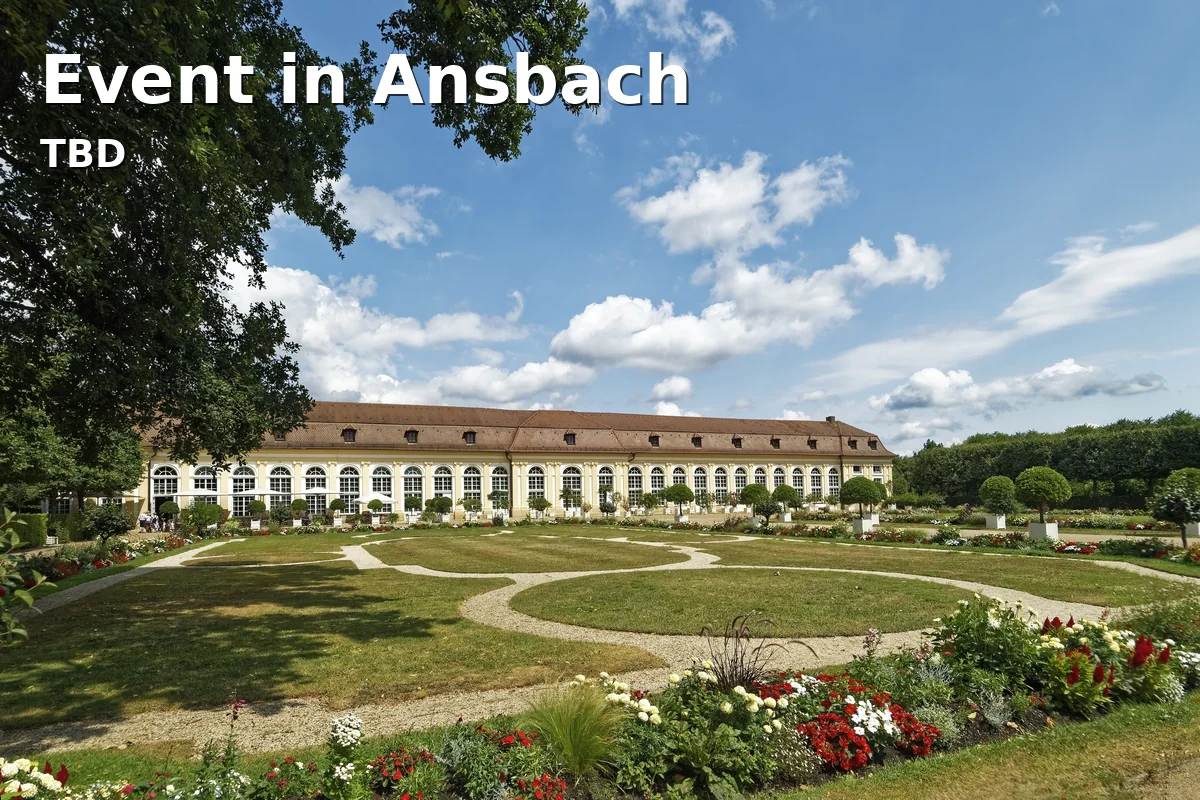
Event in Ansbach
1734 - Fateful Year of the Families Frisoni, Retti and Carlone
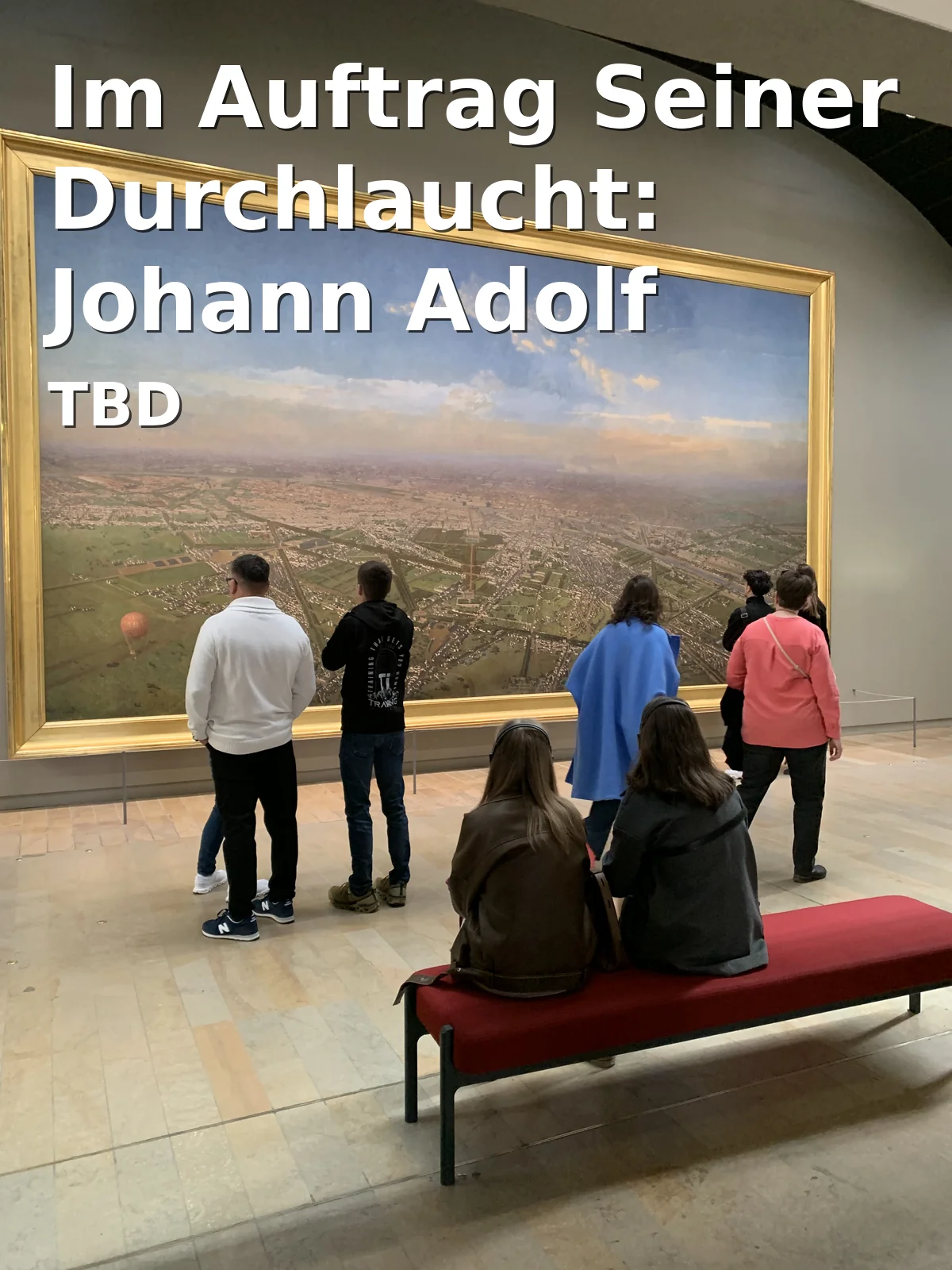
On the Orders of His Serenity: Johann Adolf Biarelle as a Painter and Draughtsman in Bonn and Ansbach
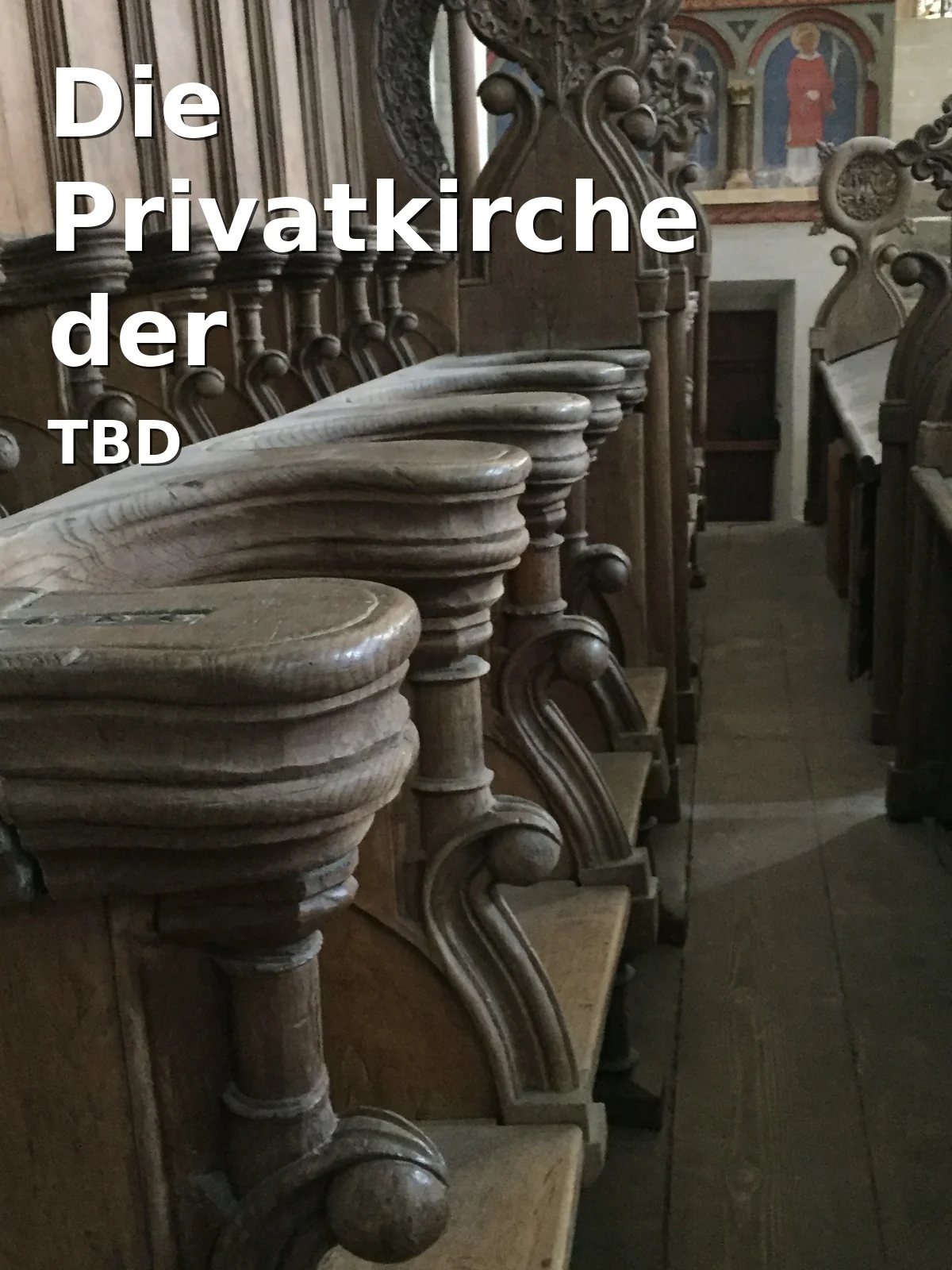
The Private Chapel of the Carlone Brothers

Noah's Ark
Start Search
Disco Cellar in the Youth Center
Frequently Asked Questions
Reviews
No reviews found