
Schönherz & Fleer
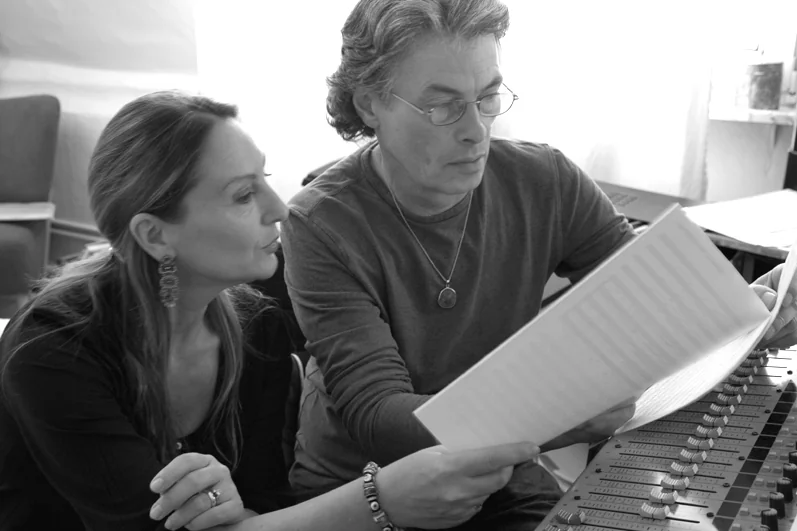
Image from Wikipedia
Image from Wikipedia
Schönherz & Fleer – Poetry, Pop, and Producer Art at the Highest Level
A Musician and Producer Duo that Transforms German Poetry into Grand Stage Art
Schönherz & Fleer, consisting of Richard Schönherz and Angelica Fleer, is one of the most unique formations in the German-speaking music and cultural scene. Their name stands for composition, production, and the rare art of bringing literary texts into a musical form that remains both accessible and sophisticated. They became well-known especially with the Rilke Project, which over the years became their artistic trademark and is still regarded as a reference for the connection between poetry and music. ([de.wikipedia.org](https://de.wikipedia.org/wiki/Sch%C3%B6nherz_%26_Fleer))
The Artistic Signature: Music as a Stage for Language
The origin of their success already reveals their strength: Schönherz & Fleer do not think of music as mere accompaniment but as a dramaturgical space for language, mood, and narrative. The Rilke Project evolved from an album idea into a multimedia production featuring prominent voices, readings, and stage adaptations. The combination of lyrical material, careful arrangement, and prominent speakers made the project attractive to a broad audience while maintaining its literary core. ([de.wikipedia.org](https://de.wikipedia.org/wiki/Sch%C3%B6nherz_%26_Fleer))
From the Rilke Project to Brand Success
The duo's most significant career milestone is the Rilke Project, whose first three albums, in retrospect, define the artistic DNA of Schönherz & Fleer. In 2004, the production toured 24 German cities under the title "Zwischen Tag und Traum"; more than 30,000 people saw the multimedia stage adaptation. The tour recording was released as a DVD by BMG Classics, and in 2005, the two additionally published an official reader for the project. Thus, an album series became a culturally significant overall format encompassing concert, reading, and audiobook. ([de.wikipedia.org](https://de.wikipedia.org/wiki/Sch%C3%B6nherz_%26_Fleer))
The success continued with the Hesse Project. After three Rilke albums, Schönherz & Fleer turned to the lyrical work of Hermann Hesse in 2005. In 2007, the first CD of the project, Die Welt unser Traum, was released, selling nearly 80,000 copies; in 2008, Verliebt in die verrückte Welt followed with around 45,000 copies sold. These figures demonstrate that the duo created a market for literary-inspired pop and crossover productions that extends far beyond niche reception. ([de.wikipedia.org](https://de.wikipedia.org/wiki/Sch%C3%B6nherz_%26_Fleer))
Discography between Literature, Pop, and Orchestral Breadth
The discography of Schönherz & Fleer is closely linked to major thematic projects. Key releases include the first three Rilke Project albums, Bis an alle Sterne, In meinem wilden Herzen, and Überfließende Himmel, followed by Weltenweiter Wandrer in November 2010. Later came Best of Rilke Projekt from 2011, AMO – Kleide mich in Liebe from 2014, and Symphonic Rilke Projekt – Dir zur Feier from 2015, which rearranged existing pieces for symphonic orchestra. ([de.wikipedia.org](https://de.wikipedia.org/wiki/Sch%C3%B6nherz_%26_Fleer))
Even their later releases underscore the duo's conceptual consistency. In 2017, the double CD Rilke Projekt – Live in der Alten Oper Frankfurt was released, a recording of the gala concert for Rilke's 140th birthday. In 2018, Rilke Projekt V Wunderweiße Nächte followed, and for 2025, the official website announces the anniversary album So viel Himmel, a best-of to celebrate the 25th anniversary of the Rilke Project with four new songs. The current repertoire maintenance shows that Schönherz & Fleer are not only looking backward but are continuously expanding their work. ([de.wikipedia.org](https://de.wikipedia.org/wiki/Rilke_Projekt))
Current Projects and New Impulses in 2025/26
The official website clearly marks 2025 and 2026 as years for the Rilke anniversary. Dates for "Rilke Projekt LIVE" have been announced in several German cities, including Bielefeld, Dresden, Erfurt, Leipzig, Halle, Hamburg, Kreuztal, and Dessau, as well as salon concerts in Herford and Lübeck. The program is complemented by the poetry project "Was ist Liebe," which centers on a thematic question rather than a single poet. This opening shows that Schönherz & Fleer are developing their concept further and exploring new literary spaces. ([schoenherz-fleer.de](https://www.schoenherz-fleer.de/))
For the poetry project, the two gathered selected poems from over two centuries and collaborated with Ann-Kathrin Kramer, Harald Krassnitzer, Dieter Hallervorden, BENNE, Clara Louise, and the Kaiser Quartet. The website also points to video productions for the first and second singles as well as an album trailer. This way, the duo presents itself as a curating force, bringing together literary materials, voices, and musical textures into a clear stage. ([schoenherz-fleer.de](https://www.schoenherz-fleer.de/))
Style, Production, and Musical Development
Musically, Schönherz & Fleer operate at the intersection of pop, chanson, classical elements, and dramaturgical audio-play concepts. Their works thrive on careful production, clear composition, and the intentional use of voices that interpret texts rather than merely singing them. The result is not an ordinary pop discography but a body of sound installations, song cycles, and literary soundscapes. ([de.wikipedia.org](https://de.wikipedia.org/wiki/Sch%C3%B6nherz_%26_Fleer))
Particularly later releases, such as the symphonic Rilke Project, demonstrate a musical development toward greater orchestral breadth. The rearrangements for symphony orchestra add depth to the material and elevate the production into the realm between concert, classical form, and modern crossover staging. Schönherz & Fleer thus stand for an aesthetically controlled form of music production that combines emotion, textual fidelity, and sonic elegance. ([de.wikipedia.org](https://de.wikipedia.org/wiki/Sch%C3%B6nherz_%26_Fleer))
Critical Reception and Cultural Influence
The reception has also been remarkable: In the fall of 2004, Richard Schönherz and Angelica Fleer received the International Book Award "Corine" in the audiobook category for their Rilke Project, specifically for albums 1 to 3. The award explicitly recognized that the interpretation of Rilke's poems by popular artists and the compositions of Schönherz & Fleer opened up a new, broader audience for the poet. This is a rare moment where music production, literary dissemination, and cultural popularization converge in a single work. ([de.wikipedia.org](https://de.wikipedia.org/wiki/Sch%C3%B6nherz_%26_Fleer))
The cultural influence of the duo extends beyond the music market. Their approach has shown that poetic texts do not lose dignity in a popular context when arrangement, selection of voices, and dramaturgy are developed with high care. The fact that later projects like the Hesse Project and the Poetry Project connect to this confirms the authority of this artistic idea. ([de.wikipedia.org](https://de.wikipedia.org/wiki/Sch%C3%B6nherz_%26_Fleer))
Conclusion: Why Schönherz & Fleer Remain Compelling to This Day
Schönherz & Fleer are compelling because they have created a distinctive artistic brand from the connection between literature and music. Their music career does not rely on fleeting trends but on conceptual strength, careful production, and a clear cultural aspiration. Those who want to experience how poetry becomes sound, atmosphere, and presence on stage should see Schönherz & Fleer live. ([schoenherz-fleer.de](https://www.schoenherz-fleer.de/))
Official Channels of Schönherz & Fleer:
- Instagram: no official profile found
- Facebook: no official profile found
- YouTube: no official profile found
- Spotify: no official profile found
- TikTok: no official profile found