
Roman Knižka
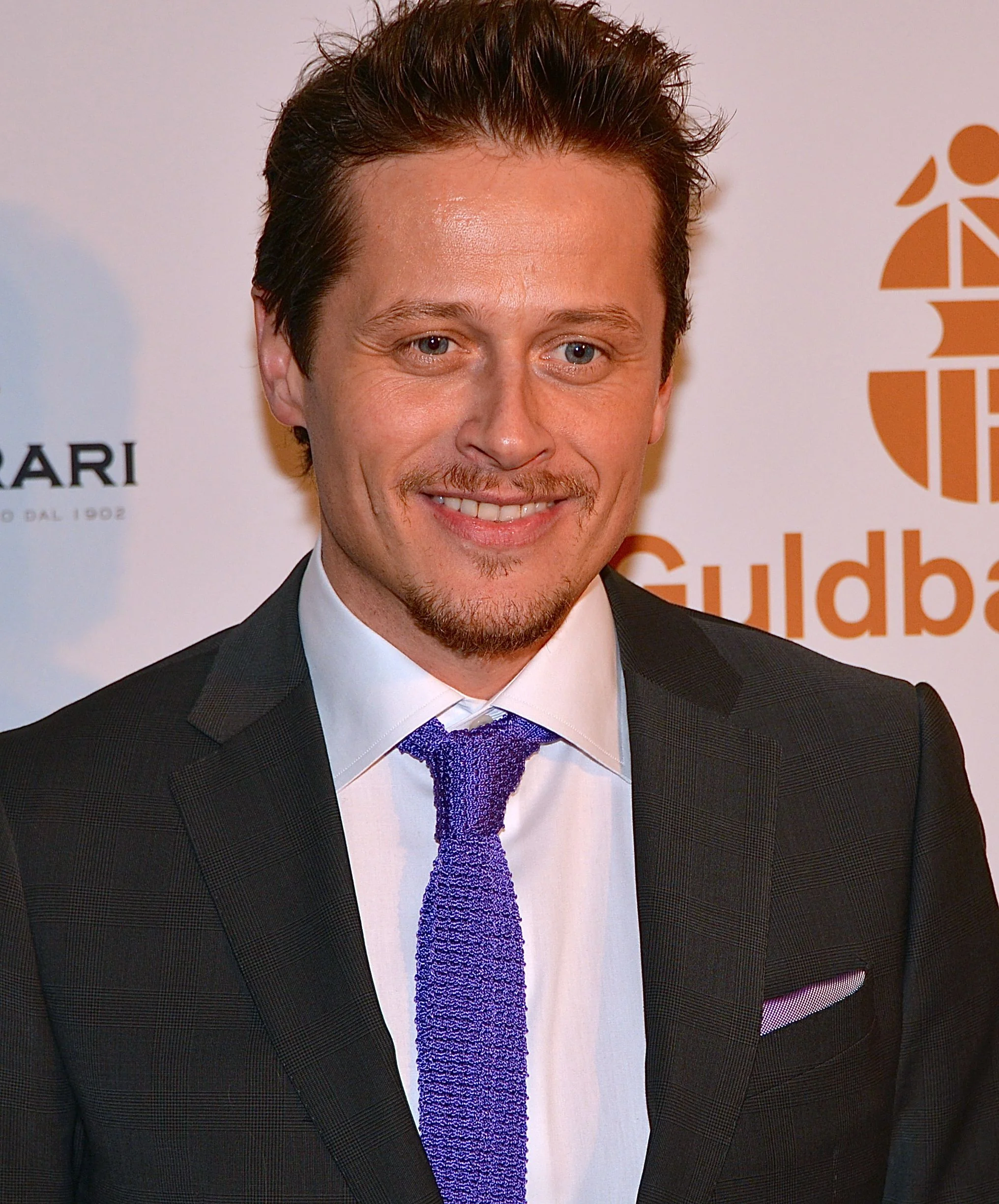
Image from Wikipedia
Image from Wikipedia
Roman Knižka
Between Stage, Camera, and Sound: Roman Knižka as an Actor with a Distinctive Voice
Roman Knižka, born on February 8, 1970, in Bautzen, is one of the most prominent German actors of his generation and has also established himself as an audiobook and audio play narrator with a distinctive vocal quality. He does not have a traditional music career; however, his artistic development is closely linked with music and sound: In musical readings, literary concert formats, and audio play productions, he combines text, voice, and instrumental soundscapes into compelling narrative arcs. This special stage presence makes him equally sought-after in theater, film, television, and the audio world.
Early Years and Training: Craftsmanship, Breakthrough, First Lead Roles
Growing up in an artistic family—his mother a singer, and his father Fero Knižka a dancer and choreographer—Roman Knižka encountered early the discipline, dedication, and precision of the performing arts. After school, he initially learned a theatrical craft: he completed carpentry training at the Dresden State Opera and subsequently worked as a decorator at the State Theater Dresden. The summer of 1989 marked a biographical turning point: just before the fall of the Berlin Wall, he fled to the Federal Republic and began studying acting at the Westfälische Schauspielschule Bochum. In the 1993/94 season, he took on his first lead role as Andrés in "Brennende Finsternis"; "Theater heute" named him Young Actor of the Year in 1994/95—an early signal of his artistic potential.
Career Development: From TV Debut to Busy Character Actor
Knižka made his film debut in 1993 in the TV film "Ausgespielt." Soon after, he had notable appearances in film and television productions that showcased his versatility: In "Schlaraffenland" (1999), alongside Heiner Lauterbach and Franka Potente, he played an investigator with moral gray areas; later that same year, "Vergiss Amerika" brought him wider attention as Benno. In "Mein Bruder der Vampir" (2001), he impressed with subtle nuance, while "Twin Sisters" (2002) expanded the international scope of his filmography. Simultaneously, he established himself in renowned TV series from "Tatort" to "Der Alte" to "Alarm für Cobra 11"—consistently as a character actor with a distinct outline, shaping roles that are psychologically coherent and physically present.
Strong Stage Presence: Theater Roles, Playing Culture, Timing
Knižka also sharpened his artistic signature on stage. In 2005/06, he portrayed Lennie Small in "Von Mäusen und Menschen"—a role that demands sensitive timing alongside emotional weight. In 2013, he excelled in Neil LaBute's two-person play "Tag der Gnade" at the Komödie am Kurfürstendamm alongside Désirée Nosbusch. His stage work reflects careful role study, precise articulation, and a sense of rhythm, pauses, and subtext—qualities that support him in both acting and spoken word performance.
The Voice as an Instrument: Audiobook, Audio Play, Production
In audiobooks and audio plays, Knižka unveils a versatile, clear narrative voice. He understands the composition and arrangement of language as a musical structure: dynamics, phrasing, breathing, and timbre are subservient to the dramatic arc. His audio play work—extending to newer podcast series—connects narrative precision with acoustic plasticity, making characters, spaces, and atmospheres concrete in the listeners' mental cinema. In the audiobook scene, he is regarded as a reliable guarantee for careful text illumination, detailed character voices, and a production that harmoniously combines literary tone and acoustic space.
Interdisciplinary with OPUS 45: Musical Readings, Historical Themes, Curated Programs
Knižka's special radiance unfolds in the musical readings with the brass ensemble OPUS 45. These programs—among others, on Theresienstadt, post-war Germany, or democracy-related themes—are dramaturgically finely composed concert readings. Texts from eyewitnesses, historical source material, and literary passages are woven together with chamber music arrangements. Knižka's recitation art corresponds with the timbre of wood and brass instruments: He treats consonants like percussion, allows vowels to sing, adopts tempos, and designs pauses as spaces for resonance. Thus, evenings emerge that connect musical narrative forms with historical reflection—a creative effort at the intersection of word, music, and memory culture.
Selected Milestones of Film and TV Work
A look into the discography of images—his filmography—shows constant presence: TV films like "Bauernprinzessin," "Der gestiefelte Kater," or "Wer einmal stirbt dem glaubt man nicht" stand alongside cinema works like "Anatomie 2" and "Groupies bleiben nicht zum Frühstück." Additional guest roles in popular series formats combine high reach with precise character drawing. More recently, the TV production "Un/Dressed" (2024) drew attention—a sign of how Knižka continues to energize his career over decades with new vigor, updated playing styles, and role-specific research.
Style, Technique, and Artistic Development
Knižka's performances thrive on controlled expressiveness: He works with finely dosed facial expressions, sharp timing, and a physicality that makes inner tensions visible. His voice—trained in audiobooks, audio plays, and live recitation—serves as a carrier of subtext and rhythm. In his artistic development, three constants can be identified: first, precise text work; second, respect for the compositional structure of a scene; third, awareness of cultural contexts. Whether it’s crime plots, coming-of-age stories, or historical themes: Knižka subordinates his performance to the overall dramatic sound—adding credibility and depth to his characters.
Cultural Influence and Reception
The musical readings with OPUS 45 have established themselves as special formats within the German-speaking concert landscape. They artistically contribute to memory culture, intertwine chamber music with narrated history, and open a resonance space that reaches far beyond the evening itself. Cultural institutions, memorials, city libraries, and festivals draw upon these programs because they sustainably touch audiences while allowing for historical reflection. Critics appreciate Knižka's intelligent text dramaturgy, his sensitive interplay with musicians, and the reliability that arises from care, source work, and artistic responsibility.
Current Projects and Dates (2024–2026): Continuity and Present
In 2024, school and evening formats with OPUS 45 were also in the calendar alongside TV productions; "Un/Dressed" marked a current TV milestone. The following year, numerous concert readings took place across Germany—such as evenings commemorating "80 years since the end of the war," convincingly merging historical source material, dramaturgical precision, and musical sensitivity. In 2026, this collaboration continues: guest performances in synagogues, cultural centers, and concert halls showcase the ongoing relevance of these programs in a societal climate that urgently calls for mindful engagement with history. Meanwhile, Knižka remains in demand for audiobook and audio play productions, in which his vocal expression and the artful production bring the text's substance to life.
Fans' Voices
The reactions from fans clearly show: Roman Knižka captivates people across various formats—whether on TV, on stage, or in musical readings. On Instagram, a fan exclaims: "The texts resonate deeply— and the music amplifies every line." A YouTube comment is not quoted here as no official channel exists. On Facebook, a listener writes: "Rarely has a concert reading exuded so much empathy and dignity." Such reactions reflect how much audiences and the press value his blend of precision, emotionality, and historical responsibility.
Conclusion: Why Experience Roman Knižka Now?
Roman Knižka combines precise acting with an extraordinary speaking culture. His artistic development shows an actor who takes narratives seriously, thinks about them in a musico-dramaturgical way, and makes them expressible with a clear, resonant voice. Those who experience him live feel the intelligent balance of form and emotion: He brings contour to texts, sets musical accents, and guides the audience safely through complex themes. Whether in cinema, on TV, on stage, or in concert readings—Knižka demonstrates that artistic integrity, stylistic curiosity, and professional production reach an audience that seeks substance, dignity, and beauty. Recommendation: Check the schedule and don't miss the next reading with OPUS 45 or a current production.
Official Channels of Roman Knižka:
- Instagram: https://www.instagram.com/romanknizka_official
- Facebook: https://www.facebook.com/romanknizka
- YouTube: No official profile found
- Spotify: No official profile found
- TikTok: No official profile found
Sources:
- Wikipedia – Roman Knižka
- Roman Knižka – Official Website
- Girke Management – Profile of Roman Knižka
- Elbphilharmonie Hamburg – Ensemble OPUS 45 & Roman Knižka (Program Note)
- OPUS 45 – Program Sequence "80 Years Since the End of the War" (Source Overview)
- Sächsische Zeitung – Guest Performance Roman Knižka & OPUS 45 (Report)
- Zweite Heimat – Concert & Reading "Germany, Can't You See That?"
- City of Meerane – Official Gazette (Report on Concert Reading 2025)
- Storytel – Audiobooks narrated by Roman Knižka
- Wikipedia: Image and Text Source
Upcoming Events
Ensemble OPUS 45 and Roman Knižka: Germany, don't you see it?