
Peter Prosch
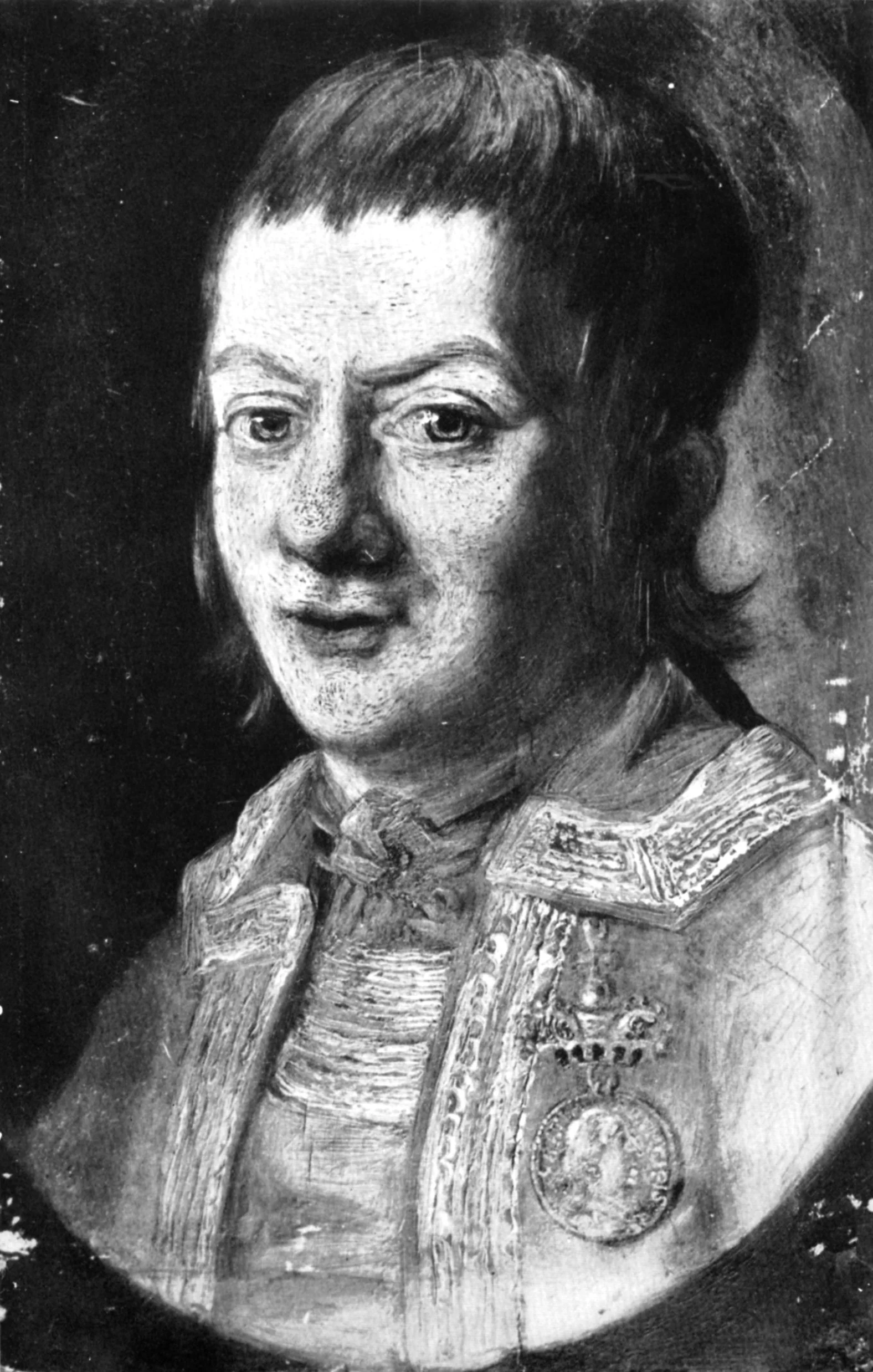
Image from Wikipedia
Image from Wikipedia
Peter Prosch (1744–1804) – Court Jester, Chronicler, and Chronicler of Court Life
A Tyrolean Who Amazed the Courts of Europe
Peter Prosch grew up as the son of poor circumstances in the Zillertal – and yet became one of the most fascinating voices of the 18th century. The trained glove maker and traveling merchant developed a stage presence during his travels that led him to numerous courts as a “Hoftiroler.” His autobiography, first published in 1789, merges personal musical career moments from his performance life with a sharp eye for customs, rituals, and the soundscapes of courtly representation. Between market, tavern, and throne room, Prosch experienced the artistic development of an entertainer who turned comedy, storytelling, and timing into social capital – thereby becoming a rare chronicler of everyday life at the courts.
Early Years in the Zillertal: Craft, Poverty, and New Beginnings
Born on July 20, 1744, in Ried im Zillertal, Peter Prosch learned the craft of glove making. Economic hardship forced him into mobility early on: as a traveling merchant, he carried goods – from leather gloves to fashionable trinkets – through Southern Germany, Switzerland, and Alsace. On these routes, he refined his storytelling skills, his arrangement of anecdotes, and his sense of audience expectations. The craft transformed into performance; the sales speech became a performance. This artistic development shaped his character as a “respected court jester,” as contemporary depictions report. His origins remained palpable: Prosch staged the image of the “jovial Tyrolean” – a role profile that combined folk sincerity with clever self-stylization. (projekt-gutenberg.org)
The Path to the Courts: From Market to Residence
Prosch’s career path led from the marketplace to the grand stage of courtly societies. Particularly at the princely episcopal court in Würzburg, he was regularly engaged; at the request of Prince-Bishop Adam Friedrich von Seinsheim, Prosch had to stay at court for sixteen weeks each year. These recurring engagements demonstrate a professionalization of his performances, which fluctuated in courtly contexts between comedic interludes, social glue, and observational chronicle. Prosch's music career in the broader sense – his life as a performer – thus grew from spontaneous appearances to formally booked “seasons” with recurring dramaturgy. (germanhistory-intersections.org)
Title, Role Image, and Self-Presentation: The “Churbayerische verwittwete Hoftiroler”
Sources refer to him as the “Churbayerischen verwittweten Hoftiroler” – a telling title that grounds and elevates Prosch's stage persona at the same time. He embodied the boundary figure between folk intimacy and courtly wit, between coarse jokes and fine irony. This role image was historically linked to the tradition of court jesters, who transformed music, wordplay, facial expressions, and physical comedy into an art form. Prosch observed this form from the inside – and later described it literarily with a tone that balanced authenticity and arrangement. (sagen.at)
Everyday Reality in the 18th Century: Belief, Fear, and Curiosity
Prosch's texts document the mental topography of his time. Noteworthy are passages about confessional foreignness, travel fears, and border experiences on the way to “Lutheran places.” These sections reveal the emotional dramaturgy of being on the road between identity uncertainty and vital curiosity. As a performer, Prosch processed such tensions in punchlines that held a mirror up to court societies – socially and psychologically precise, yet never moralizing. Thus, his autobiography becomes a primary cultural-historical source that captures the life world, soundscape, and rituals of the 18th century in close-up mode. (germanhistory-intersections.org)
Iconography: The Portrait from 1781
A painting dated 1781 by Friedrich Gotthard Naumann depicts Prosch in a characterful pose. The artwork, housed today in the Bavarian State Painting Collections (State Gallery in the Residence of Ansbach), captures the social status of a performer who became a court attraction. The portrait is more than a likeness: it documents Prosch's recognition as a prominent figure of cultural entertainment – a testament to his authority as a performer and to the visual culture of the Late Enlightenment. (sammlung.pinakothek.de)
The Autobiography of 1789: Composition of a Life
In 1789, his autobiography “Life and Events of Peter Prosch, a Tyrolean from Ried in the Zillerthal, or The Wonderful Fate” was published. The text follows a clear dramaturgy of departure, way stations, and courtly episodes – a composition that shifts between comedic effect and precise observation. Several reprints and editions since the 20th century underline its lasting relevance: these editions have made Prosch’s voice accessible to a broader audience and established him as an author of cultural-historical significance, whose narrative tone offers a blend of directness, sense of rhythm, and scenic condensation. (barnesandnoble.com)
Reception in Research and Culture
Historiography recognizes Prosch as a rare author of self-testimony from a non-noble perspective. Studies highlight his position as a “Hoftiroler” and autobiographical narrator who describes court life “from below.” Popular culture also draws on his persona: concert and reading formats that combine passages from his autobiography with music of the time demonstrate the stage effectiveness of his material to this day. This reception emphasizes how Prosch's mix of storytelling, timing, and performance opens and updates cultural-historical narratives. (lehmanns.de)
Style, Genre, and “Sound”: Between Hanswurst Tradition and Enlightenment Perspective
Prosch's style oscillates between popular Hanswurst tradition and Enlightenment observation. His “arrangements” of events follow the logic of a well-placed punchline: exposition, build-up of expectation, surprising twist, rounding moral. This approach is reminiscent of musical forms of the time – theme, variation, cadence – thereby giving his storytelling a rhythmic quality. The genre lies between memoir, rogue novel, and stage protocol: Prosch produces “self-testimony with stage light,” an aesthetic form in which performance experience and literary composition reflect each other. (projekt-gutenberg.org)
Career Stations and Stage Practice
The recurring commitments in Würzburg mark Prosch’s “performance seasons”; further references to other residences indicate the reach of his reputation. The role of the “voluntary court jester” combined spontaneous interaction with formatted program points – such as storytelling acts, small play scenes, and musical references from court culture. Prosch's artistic development led from improvised juggler acts to proper program dramaturgy. In this way, his profile shifted from a traveling merchant to an entertainer with a recognizable brand. (germanhistory-intersections.org)
Works, Editions, and “Discography” in a Broader Sense
As an author, Prosch left primarily his 1789-published autobiography, the new editions of which open the text for research and reading audiences. In a broader sense, his “discography” can be understood as a catalog of performative numbers that – cast in anecdotes – mark the transfer from oral to written tradition. Modern reprints, e-books, and collections demonstrate the enduring demand and facilitate research work. Notably for the EEAT perspective: the text tradition is documented, citable, and accessible in various types of editions. (barnesandnoble.com)
Cultural Influence and Legacy
Prosch's significance lies in his perspective: he does not tell “about” courts, but “from” the courts – as a service provider, jester, commentator. This insider view complements official court chronicles with voices, noises, and affections. As a figure of cultural transfer, he bridges the gap between mountain village and world stage, between dialect and court language, between body comedy and court etiquette. His legacy endures as today’s projects assemble text and music from the period, reactivating the sensory richness of his world. Thus, Peter Prosch remains present, not only literarily but also performatively. (st.johann.tirol)
Conclusion: Why Peter Prosch Fascinates Today
Peter Prosch captivates because he bundles life wisdom, humor, and keen observation into a unique artist biography. His autobiography is a paper stage where roles, rituals, and rhythms of court life become tangible. Those who read his texts experience the artistic development of an entertainer who mastered timing and tone – and who opens up immediate access to the sound world, gesticulation, and dramaturgy of the 18th century. Recommendation: Read Prosch in the original – and rediscover his world live in readings with music of the time.
Official Channels of Peter Prosch:
- Instagram: No official profile found
- Facebook: No official profile found
- YouTube: No official profile found
- Spotify: No official profile found
- TikTok: No official profile found
Sources:
- Projekt Gutenberg-DE – Peter Prosch: Author page and work information
- German History Intersections – Peter Prosch, the “Hoftiroler” (Document and Context, 1789)
- SAGEN.at – Zillerthal and Tux (historical notes, title “Churbayerischer verwittweter Hoftiroler”)
- Bavarian State Painting Collections – Friedrich G. Naumann: Portrait of Peter Prosch (1781)
- Barnes & Noble – Life and Events of Peter Prosch (Edition and Publication Information)
- bavarikon – Object entry on Peter Prosch
- Wikipedia – Peter Prosch: Biographical Details