
Paula Modersohn-Becker
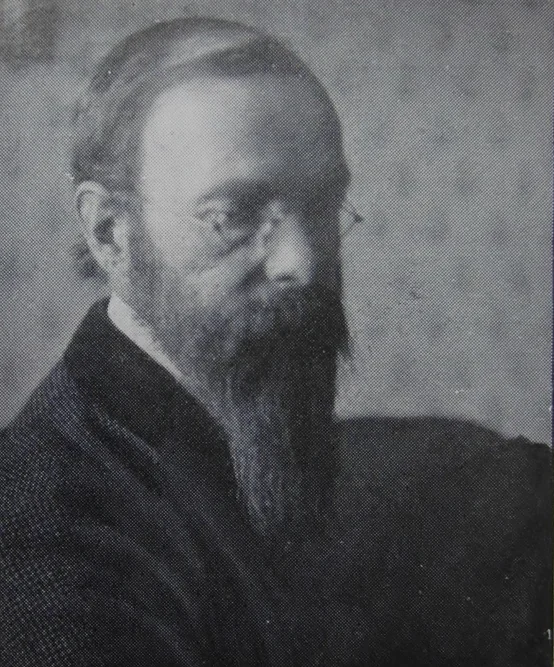
Image from Wikipedia
Image from Wikipedia
Paula Modersohn-Becker: The Uncompromising Pioneer of Modern Painting
An Artist Between Worpswede, Paris, and the Radicality of the New
Paula Modersohn-Becker is considered one of the most significant German artists of the early 20th century. In just under 14 years of creative activity, she developed a distinctive visual language that made her a forerunner of early Expressionism. Her works combine simplification, inner concentration, and emotional intensity into a painting of extraordinary power. ([britannica.com](https://www.britannica.com/biography/Paula-Modersohn-Becker?utm_source=openai))
Born on February 8, 1876, in Dresden and died in 1907 in Worpswede, she lived between academic training, the artist village of Worpswede, and the formative Parisian impressions of modernity. Her oeuvre includes 750 paintings, about 1000 drawings, and 13 etchings; thus, she left behind a body of work that, despite its short creation period, is of enormous density. Art history sees in her not just a painter but a consistent renewer of perspective. ([en.wikipedia.org](https://en.wikipedia.org/wiki/Paula_Modersohn-Becker?utm_source=openai))
Biographical Beginnings: Education, Breakthrough, and Artistic Self-Assertion
Paula Becker grew up in an educated environment and received early drawing and painting lessons. From 1896 she attended courses at the Association of Berlin Women Artists, before further education deepened her technical foundations. This early path already shows how seriously she regarded her artistic profession: not as a secondary role but as an independent, professional life task. ([paula-modersohn-becker.de](https://www.paula-modersohn-becker.de/?utm_source=openai))
The decision for art also meant an emancipation from the expectations of her time. Like many women artists of her generation, she had to fight for spaces of education and recognition. A significant part of her authority lies precisely here: she fought not only against stylistic conventions but also against social boundaries. ([dhm.de](https://www.dhm.de/lemo/biografie/paula-modersohn-becker?utm_source=openai))
Worpswede: Landscape, Life, and the Search for a Personal Form
For Paula Modersohn-Becker, Worpswede became an important place of concentration and encounter with an alternative artist existence. The village attracted artists who consciously turned away from the academic world and urban life. In this environment, she developed an interest in reduction, stillness, and the monumental simplicity of motifs, which later became a hallmark of her style. ([dhm.de](https://www.dhm.de/lemo/biografie/paula-modersohn-becker?utm_source=openai))
However, her stay in Worpswede never meant mere adaptation to a community. Modersohn-Becker sought her own handwriting, not harmonious integration. She observed nature, people, and bodies with a consistency that removed her images from mere idyllic representation and transformed them into a concentrated form of modern perception. ([dhm.de](https://www.dhm.de/lemo/biografie/paula-modersohn-becker?utm_source=openai))
Paris as an Artistic Turning Point
A crucial cut in her development was her stay in Paris, where she temporarily separated from her husband and experienced the vibrant art metropolis as a place of self-assurance. There, she encountered impulses from Post-Impressionism and a contemporary conception of imagery that rethought color, form, and simplification. The Parisian years strengthened her will to free painting from narrative burdens and focus on the essentials. ([dhm.de](https://www.dhm.de/lemo/biografie/paula-modersohn-becker?utm_source=openai))
Britannica describes Modersohn-Becker as an artist who introduced the styles of Cézanne, Gauguin, and van Gogh into German art. This classification captures the essence of her achievement: she translated international modernity into a very personal, yet quiet and intense visual language. Her art never stood for decorative adaptation but for a modern, condensed form of seeing. ([britannica.com](https://www.britannica.com/biography/Paula-Modersohn-Becker?utm_source=openai))
Work and Production: An Extraordinary Intensity
According to the documented overview, Paula Modersohn-Becker's work includes 750 paintings, about 1000 drawings, and 13 etchings. This number is all the more remarkable given that her active creative period lasted only just under 14 years. The productivity indicates not routine but an immense mental and formal concentration that makes each painting appear as a result of a clear artistic will. ([en.wikipedia.org](https://en.wikipedia.org/wiki/Paula_Modersohn-Becker?utm_source=openai))
She is particularly known for her self-portraits, still lifes, and depictions of women and children. The motifs appear reduced, often monumental, and in their simplicity, simultaneously vulnerable and uncompromising. It is precisely in this tension that her rank lies: Modersohn-Becker transforms the everyday into a visual language of universal radiance. ([britannica.com](https://www.britannica.com/biography/Paula-Modersohn-Becker?utm_source=openai))
Style and Technique: Between Simplification of Form and Inner Concentration
Stylistically, Paula Modersohn-Becker belongs to those artists who make the leap from observation to condensation. Her painting relies on clear outlines, calm areas, and a conscious simplification of form without becoming rigid. The combination of Post-Impressionist influences and a distinctive Expressionist approach gives her images an extraordinary modernity. ([britannica.com](https://www.britannica.com/biography/Paula-Modersohn-Becker?utm_source=openai))
Technically, her radicality is also evident in her focus on composition and image rhythm. Instead of naturalistic detail, she preferred a visual language that highlights the essential and makes inner states visible. Her painting is thus not only representation but also interpretation of the world and body. ([en.wikipedia.org](https://en.wikipedia.org/wiki/Paula_Modersohn-Becker?utm_source=openai))
Self-Portrait and Female Self-Empowerment
Paula Modersohn-Becker gained particular importance through her self-portraits, which go far beyond mere self-representation. She examined her own role as a woman, artist, and modern subject with a directness that was remarkable for her time. In this way, her work became an early expression of female self-assertion in art. ([britannica.com](https://www.britannica.com/biography/Paula-Modersohn-Becker?utm_source=openai))
Art history now reads her self-portraits as key works of modern subjectivity. In them, the gaze is directed not only outward but also towards identity, body, and presence. Modersohn-Becker thus formulated a visual language that has profoundly influenced later generations of artists. ([museen-boettcherstrasse.de](https://www.museen-boettcherstrasse.de/ausstellungen/becoming-paula/?utm_source=openai))
Reception, Significance, and Cultural Influence
Today, Paula Modersohn-Becker is regarded as one of the central pioneers of modern painting in Germany. Museums and cultural institutions honor her as a pioneer of modernity; in Bremen, her significance is maintained through exhibitions, publications, and anniversary programs. Research also emphasizes her key role in the transition from Post-Impressionism to Expressionism. ([museen-boettcherstrasse.de](https://www.museen-boettcherstrasse.de/ausstellungen/becoming-paula/?utm_source=openai))
Her influence extends far beyond Worpswede. The presence of her name in international exhibition contexts and in art historical debates shows how relevant her visual language remains. Her works speak a clear, timeless language about concentration, physicality, and the search for a modern form. ([museen-boettcherstrasse.de](https://www.museen-boettcherstrasse.de/ausstellungen/becoming-paula/?utm_source=openai))
Current Projects and Memory Culture
Even in 2025, Paula Modersohn-Becker remains the subject of intense cultural attention. In Bremen, her 150th birthday will be highlighted with programs and press formats, and museums like the Paula Modersohn-Becker Museum are placing her work in contemporary exhibition contexts. Such projects show that her oeuvre is not museum-bound but continues to be read as a living reference of modernity. ([wfb-bremen.de](https://www.wfb-bremen.de/sixcms/media.php/49/t004%20150%20Jahre%20Paula%20Modersohn-Becker.pdf?utm_source=openai))
The ongoing presence in exhibitions and publications underscores the status of her art as a lasting cultural force. Especially in the present, her reduction to form and posture appears remarkably modern. Paula Modersohn-Becker thus remains not only a historical figure but a continuing challenge to perception. ([museen-boettcherstrasse.de](https://www.museen-boettcherstrasse.de/ausstellungen/becoming-paula/?utm_source=openai))
Conclusion: Why Paula Modersohn-Becker Continues to Fascinate Today
Paula Modersohn-Becker fascinates because, in a short time, she created a body of work of rare consistency. Her painting combines formal discipline, emotional depth, and an early modern sensibility that still resonates today. Those who view her images do not experience a loud gesture but a quiet, lasting revolution of perception. ([britannica.com](https://www.britannica.com/biography/Paula-Modersohn-Becker?utm_source=openai))
This blend of radicality and tranquility makes her one of the most interesting artists of modernity. Her works deserve to be encountered in museums, where their intensity and presence are most powerful. Experiencing Paula Modersohn-Becker live means encountering art that remains clear, bold, and unmistakable to this day. ([museen-boettcherstrasse.de](https://www.museen-boettcherstrasse.de/ausstellungen/becoming-paula/?utm_source=openai))
Official Channels of Paula Modersohn-Becker:
- Instagram: No official profile found
- Facebook: No official profile found
- YouTube: No official profile found
- Spotify: No official profile found
- TikTok: No official profile found
Sources:
- Wikipedia – Paula Modersohn-Becker
- Britannica – Paula Modersohn-Becker
- LeMO – Paula Modersohn-Becker
- Deutsche Biographie – Becker-Modersohn, Paula
- Paula Modersohn-Becker – Biography and Information
- Museen Böttcherstraße – Becoming Paula
- WFB Bremen – Press Information 150 Years of Paula Modersohn-Becker
Upcoming Events
The Art is the Most Beautiful – Paula Modersohn-Becker
Worpswede – From Artist Village to Myth
Worpswede – From Artist Village to Myth
Art Breakfast: Paula Modersohn-Becker
The Artist Colony Worpswede