
Martin Walser
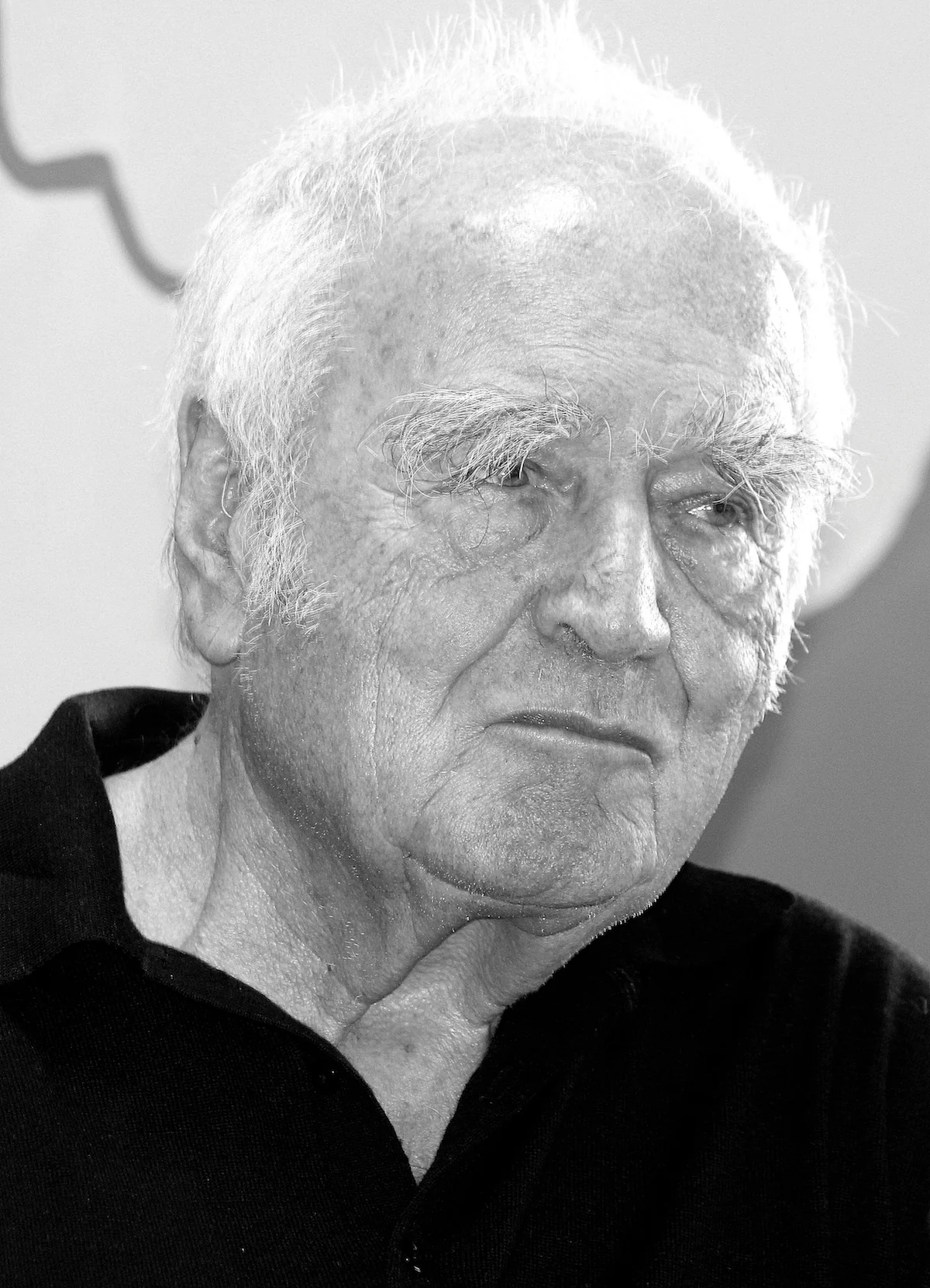
Image from Wikipedia
Image from Wikipedia
Martin Walser: The Great Chronicler of the Inner Conflicts of Post-War German Literature
A writer who measured contemporary Germany with literary precision and great psychological force
Martin Walser was not a musician, but one of the most significant German writers of the post-war period. Born on March 24, 1927, in Wasserburg am Bodensee and passed away on July 26, 2023, in Überlingen, he dominated the literary debate in Germany for decades with novels, short stories, essays, and speeches. His work revolves around inner conflicts, self-doubt, societal friction, and the fragile position of the individual in the modern world. ([rowohlt.de](https://www.rowohlt.de/magazin/aus-dem-verlag/nachruf-martin-walser?utm_source=openai))
Biographical Beginnings between War Experience, Studies, and a Journalistic Start
Walser's life path began in a time of historical tension: while still a student, he served as an anti-aircraft helper, experiencing the end of the war as a soldier in the Wehrmacht. After the war, he studied literature, history, and philosophy in Regensburg and Tübingen, earning his doctorate in 1951 with a thesis on Franz Kafka. This academic foundation early on blended with a keen sensitivity to language, form, and psychological nuance that would characterize his later writing. ([rowohlt.de](https://www.rowohlt.de/magazin/aus-dem-verlag/nachruf-martin-walser?utm_source=openai))
Alongside his studies, he began working as a reporter for Süddeutscher Rundfunk in Stuttgart, writing radio plays and directing. This early media contact sharpened his perception of voice, rhythm, and dramatic condensation — qualities that rendered his prose unmistakable. His proximity to radio and television brought him into the cultural centers of the Federal Republic and opened the doors to the literary scene. ([rowohlt.de](https://www.rowohlt.de/magazin/aus-dem-verlag/nachruf-martin-walser?utm_source=openai))
The Breakthrough: Gruppe 47, Literary Attention, and a Distinct Voice
Walser gained prominence within the circle of Gruppe 47 and quickly established himself as an author who did not merely observe but unveiled inner states. His novels and stories employed anti-heroes whose insecurity, injury, and self-observation reflected the tone of West German post-war society. This made him an author who combined psychological accuracy with societal diagnosis. ([dla-marbach.de](https://www.dla-marbach.de/en/museen/literaturmuseum-der-moderne/wechselausstellungen/walser/?utm_source=openai))
Over time, he developed a distinctive style: dense, often broken by irony, yet simultaneously empathetic and analytical. Walser focused on people at the edge of self-assurance and success, on characters who fail or struggle with recognition, language, and social role or work to assert themselves anew. This concentration on inner conflicts became his literary trademark. ([en.wikipedia.org](https://en.wikipedia.org/wiki/Martin_Walser?utm_source=openai))
Key Works and Literary Development over Decades
Walser's oeuvre can be read as a chronicle of the Federal Republic. Rowohlt Verlag describes him as an author who not only accompanied societal and political events but also critically commented on them as a speaker and essayist, repeatedly sparking debates. His books fused intimate experience with public contemporary history, making him one of the defining voices of German-language literature. ([rowohlt.de](https://www.rowohlt.de/magazin/aus-dem-verlag/nachruf-martin-walser?utm_source=openai))
Frequently mentioned milestones of his career include novels that illuminated the relationship between the individual and society, as well as themes of guilt, memory, and self-assertion. The publisher emphasizes that his works have been continuously linked to the political and cultural development of the Federal Republic since the early years. Even in later books, Walser remained true to his theme: the person who questions themselves and grapples with the demands of reality. ([rowohlt.de](https://www.rowohlt.de/magazin/aus-dem-verlag/nachruf-martin-walser?utm_source=openai))
Style, Composition, and Thematic Range
Walser's literary handwriting thrives on psychological precision, rhythmic sentence structure, and the ability to transform everyday situations into existential condensations. His prose employs inner monologues, observational accuracy, and a keen perception of social masks. This creates a composition that focuses more on emotional movement and the pressure of truth than on dramatic effects. ([en.wikipedia.org](https://en.wikipedia.org/wiki/Martin_Walser?utm_source=openai))
In his speeches and essays, Walser emerged as an intellectual commentator, engaging in cultural and political conflicts. His speech at Paulskirche in 1998 became a central moment in German debate culture and solidified his reputation as an author capable of eliciting resistance, agreement, and dissent simultaneously. This blend of literary authority and public friction contributes to his historical significance. ([rowohlt.de](https://www.rowohlt.de/magazin/aus-dem-verlag/nachruf-martin-walser?utm_source=openai))
Critical Reception, Awards, and Cultural Influence
According to the German Literary Archive Marbach, Walser ranks among the most significant German writers and influential intellectuals after 1945. His books were not only read but understood as diagnostic tools for a society that had to renegotiate its morality, language, and identity after the war. This is where his lasting presence in the cultural memory lies. ([dla-marbach.de](https://www.dla-marbach.de/en/museen/literaturmuseum-der-moderne/wechselausstellungen/walser/?utm_source=openai))
The publishing world also honored him numerous times: Rowohlt recognized him as one of the most significant authors and recalled his formative role in German culture. Additionally, he was awarded, among others, the International Friedrich Nietzsche Prize, further emphasizing his standing as a distinct thinker and stylist. The reception, meanwhile, often remained controversial, which rather enhanced his public impact than diminished it. ([rowohlt.de](https://www.rowohlt.de/magazin/ausgezeichnet/martin-walser-erhaelt-nietzsche-preis?utm_source=openai))
Current Projects and Publications: The Work Remains Present
Since Martin Walser passed away in 2023, there are no new projects or current publications from his hand. Nevertheless, his work remains alive through reprints, editorial support, obituaries, exhibitions, and literary debates. The presence of his texts in publishing programs and archives shows that his books continue to be read, discussed, and placed in historical context. ([rowohlt.de](https://www.rowohlt.de/magazin/aus-dem-verlag/nachruf-martin-walser?utm_source=openai))
For readers who wish to understand the literary developments of the Federal Republic, Walser remains a central name. His oeuvre offers not only a panorama of German post-war experiences but also a school of careful observation of language, power, and self-image. In this ongoing relevance lies his true legacy. ([dla-marbach.de](https://www.dla-marbach.de/en/museen/literaturmuseum-der-moderne/wechselausstellungen/walser/?utm_source=openai))
Conclusion: Why Martin Walser Remains Engaging to This Day
Martin Walser was an author of inner tension, societal friction, and precise self-inquiry. His literature combines biographical experience, historical sensitivity, and linguistic sovereignty into a body of work of enduring strength. Anyone wishing to understand how German-language literature after 1945 has reflected on guilt, identity, and the role of the individual cannot overlook him. ([dla-marbach.de](https://www.dla-marbach.de/en/museen/literaturmuseum-der-moderne/wechselausstellungen/walser/?utm_source=openai))
His books remain an invitation to read more closely, to think more contradictorily, and to recognize the fine cracks in the surface of everyday life. Those interested in great literature should not only read Martin Walser but also engage with his public impact and influence on debate culture. ([rowohlt.de](https://www.rowohlt.de/magazin/aus-dem-verlag/nachruf-martin-walser?utm_source=openai))
Official Channels of Martin Walser:
- Instagram: no official profile found
- Facebook: no official profile found
- YouTube: no official profile found
- Spotify: no official profile found
- TikTok: no official profile found
Sources:
Upcoming Events
The Room Battle