
Antonín Dvořák
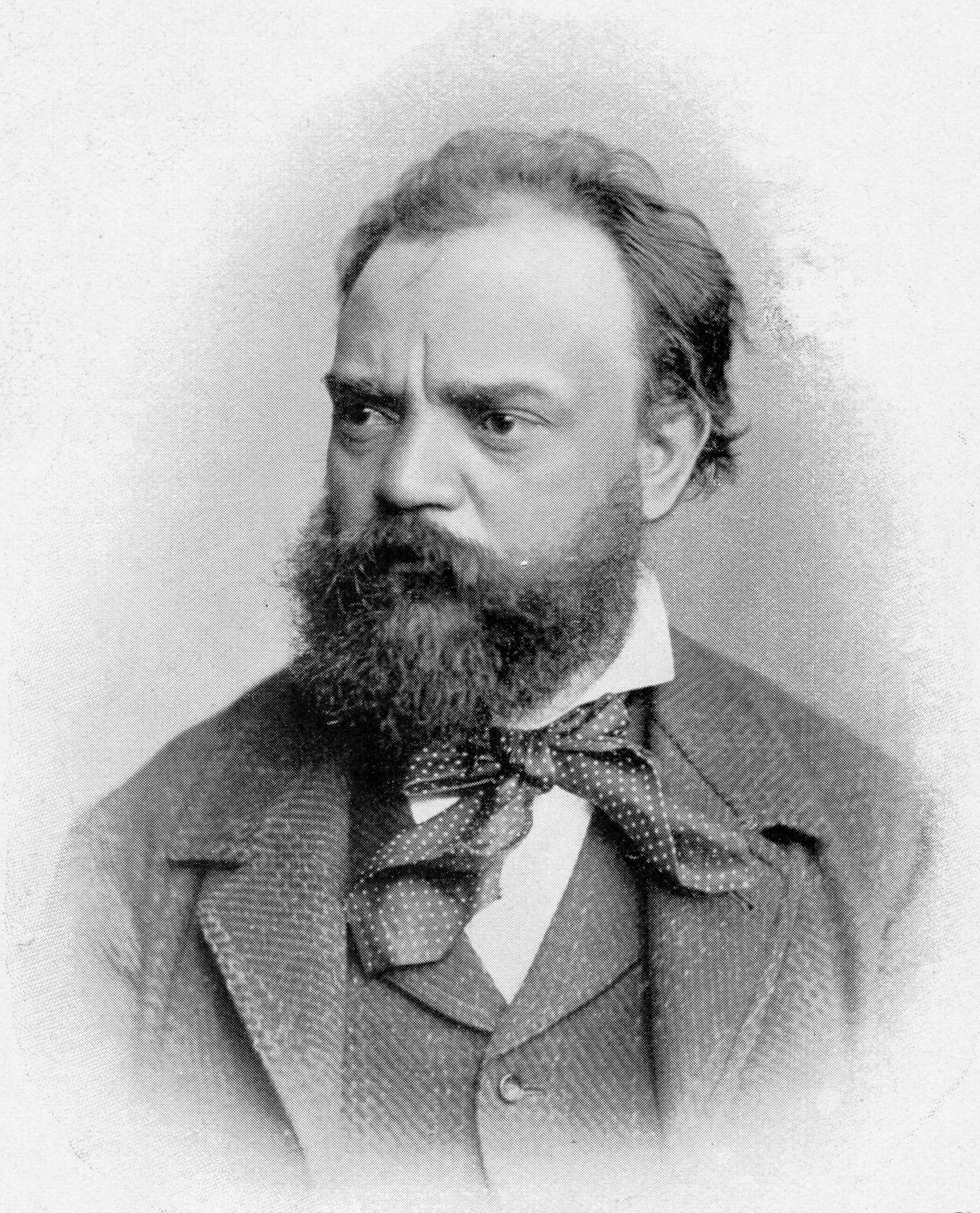
Image from Wikipedia
Image from Wikipedia
Antonín Dvořák: The Sound of Bohemia That Conquered the World
A Composer Between Folk Proximity, Romanticism, and Global Significance
Antonín Dvořák is one of the defining voices in 19th-century music history. The Czech composer of the Romantic era combined melodic invention, formal assurance, and a distinctive national sound language to create works of exceptional brilliance. His oeuvre includes nine symphonies, operas, chamber music, vocal music, as well as numerous orchestral and piano works; the international music world still counts him among the most performed Czech composers today. ([britannica.com](https://www.britannica.com/biography/Antonin-Dvorak?utm_source=openai))
What makes Dvořák so enduringly fascinating is the blend of deep-rooted heritage and global impact. Emerging from a Bohemian environment, he crafted a musical language from folk idioms, dance rhythms, and lyrical cantabile that feels both grounded and highly artistic. This is precisely where the lasting allure of his musical career lies: Dvořák speaks directly to the audience without sacrificing compositional sophistication. ([britannica.com](https://www.britannica.com/art/symphony-music/Dvorak-and-Tchaikovsky?utm_source=openai))
Biographical Roots: From Nelahozeves to Prague
Antonín Leopold Dvořák was born on September 8, 1841, in Nelahozeves, north of Prague, as the oldest of nine children of an innkeeper and butcher. He came into contact with music early on; in the vicinity of his father's inn, he experienced folk music, dance, and the vibrant repertoire of a rural environment that later reemerged as the sonic memory in his compositions. His education at the Prague Organ School starting in 1857 ultimately opened the way to a professional music career. ([britannica.com](https://www.britannica.com/summary/Antonin-Dvorak?utm_source=openai))
His early years reflect a typical, yet far from linear, path into a classical career. Dvořák played viola in the theater orchestra and gathered practical experience in ensemble life, notably influenced by the Czech national composer Bedřich Smetana. This phase was crucial, as it combined craft routine, stylistic openness, and a deep understanding of stage practice. ([britannica.com](https://www.britannica.com/summary/Antonin-Dvorak?utm_source=openai))
The Breakthrough: From Unknown Musician to Celebrated Composer Across Europe
The decisive career boost came when Johannes Brahms supported Dvořák's works and facilitated their publication. According to Britannica, by 1880, his fame had spread across Europe; connections with renowned publishers and the increasing distribution of his scores made him a significant figure in international musical life. This development was no coincidence but the result of an extraordinary blend of melodic ingenuity and professional compositional discipline. ([britannica.com](https://www.britannica.com/summary/Antonin-Dvorak?utm_source=openai))
Early perceptions of his music were particularly fed by the distinctive Bohemian character of his works. Dvořák masterfully employed folkloric elements not merely as quotations but as integral parts of his artistic language. This ability to reconcile national style with classical form made him a key figure in musical modernity within the Romantic era. ([britannica.com](https://www.britannica.com/art/symphony-music/Dvorak-and-Tchaikovsky?utm_source=openai))
New York and the Great American Phase
Between 1892 and 1895, Dvořák directed the National Conservatory of Music in New York. During this time, he composed his most famous work, Symphony No. 9 in E minor "From the New World," a piece that is considered a milestone in the recognition of American music and musical tradition. Britannica emphasizes that the symphony was composed during his stay in New York and reflects influences from American soundscapes, including spirituals and other local inspirations. ([britannica.com](https://www.britannica.com/summary/Antonin-Dvorak?utm_source=openai))
This American episode adds a transatlantic dimension to Dvořák's profile. He not only responded to a new cultural environment but also translated its impressions into a classical symphonic form of utmost clarity. This is precisely why his name gained symbolic weight: Dvořák became the composer who productively merged European tradition and extra-European inspiration. ([britannica.com](https://www.britannica.com/topic/New-World-Symphony?utm_source=openai))
Discography in the Classical Sense: Key Works and Repertoire Hits
Although Dvořák did not leave a "discography" in the pop music sense, his body of work can clearly be described as a history of repertoire. His most well-known genres include nine symphonies, concertos for piano, violin, and cello, two serenades, several tone poems, 14 string quartets, piano quartets, piano quintets, as well as significant choral works. Notably, the Stabat Mater, the Requiem, the Te Deum, and the opera Rusalka, which is still performed regularly today, stand out. ([britannica.com](https://www.britannica.com/summary/Antonin-Dvorak?utm_source=openai))
Some of the most established pieces in his concert and recording practice include the Slavonic Dances, the American quartet literature, and the Cello Concerto in B minor. Britannica attributes Dvořák's popularity to his melodic gift and the fresh Czech character of his music; precisely these qualities have made his works enduring favorites in concert halls and studios. The complexity of his works is so broad that it forms not just individual hits but a coherent, highly adaptable repertoire. ([britannica.com](https://www.britannica.com/biography/Antonin-Dvorak/Works?utm_source=openai))
Compositional Style: Folk Proximity, Formal Awareness, and Orchestral Colors
Dvořák's style thrives on a rare balance between spontaneity and structure. Britannica describes how he integrated folk-like elements, especially dances, into his symphonic work while maintaining a strong Slavic influence. His music often seems immediately singable, yet behind this accessibility stands a precise mastery of counterpoint, thematic work, and orchestral coloring. ([britannica.com](https://www.britannica.com/art/symphony-music/Dvorak-and-Tchaikovsky?utm_source=openai))
Especially noteworthy is Dvořák's orchestration. His scores utilize the orchestra not only as a sound body but as a vibrant stage for contrasts between pastoral glow, lyrical intimacy, and dance-like energy. This mix explains why his works have elicited unusually high resonance among both performers and audiences for generations. ([britannica.com](https://www.britannica.com/biography/Antonin-Dvorak?utm_source=openai))
Cultural Influence: A Czech Classic with Global Impact
Dvořák's cultural influence extends far beyond the borders of Bohemia. His music became a central reference point for nationally colored classical music, without seeming provincial, and influenced how composers integrate folk material into art music. The "New World Symphony" remains a symbol of how classical music can embrace and shape new cultural spaces. ([britannica.com](https://www.britannica.com/topic/New-World-Symphony?utm_source=openai))
Even in 21st-century concert life, Dvořák remains present. The official website of the Antonín Dvořák Center documents new recordings, anniversary activities, and projects related to his work, such as publications in the context of the year of Czech music 2024. This shows that Dvořák is not a historical peripheral figure but a vibrant focal point of the international repertoire. ([antonin-dvorak.cz](https://www.antonin-dvorak.cz/en/work/songs-on-the-words-of-the-dvur-kralove-manuscript-op7-b30-recordings/?utm_source=openai))
Current Classification and Ongoing Reception
Recent reception frequently highlights the versatility of his work. The official Dvořák portal points to new recordings and notes that major contemporary interpreters and orchestras continue to nurture and rethink his works. Thus, Dvořák's music does not become a museum piece but asserts itself as contemporary art with historical depth. ([antonin-dvorak.cz](https://www.antonin-dvorak.cz/en/work/songs-on-the-words-of-the-dvur-kralove-manuscript-op7-b30-recordings/?utm_source=openai))
His posthumous reputation is based on a rare constellation: technical mastery, melodic memorability, and a sound ideal that thinks cultural identity broadly rather than narrowly. Those who listen to Dvořák experience a composer who shapes Romanticism not as abstraction but as a human, breathing, and immediately touching language. This is precisely why his music remains a constant part of the global concert repertoire. ([britannica.com](https://www.britannica.com/biography/Antonin-Dvorak/Works?utm_source=openai))
Conclusion: A Master of Melody Who Wins Every Concert Audience
Antonín Dvořák is captivating because his musical career so effortlessly combines the local and the universal. He wrote music that is deeply rooted in Bohemian soil while also resonating equally in New York, London, Berlin, or Prague. Experiencing his symphonies, chamber music, or the opera Rusalka live means encountering a composer whose stage presence continues to thrive through his scores. ([britannica.com](https://www.britannica.com/biography/Antonin-Dvorak?utm_source=openai))
It is particularly in live performance that the orchestral warmth, melodic directness, and emotional breath of his works unfold with full power. Consequently, Dvořák is not just a historical name but a musical experience of timeless intensity. A concert featuring his music showcases why the world's most performed Czech composer has never lost his place in the canon. ([britannica.com](https://www.britannica.com/biography/Antonin-Dvorak?utm_source=openai))
Official Channels of Antonín Dvořák:
- Instagram: No official profile found
- Facebook: No official profile found
- YouTube: No official profile found
- Spotify: No official profile found
- TikTok: No official profile found
Sources:
- Antonín Dvořák - Biography - Official Website
- Antonín Dvořák - Recordings / Discography - Official Website
- Antonín Dvořák - News - Official Website
- Britannica - Antonín Dvořák
- Britannica - Antonín Dvořák Summary
- Britannica - New World Symphony
- Britannica - Dvořák and Tchaikovsky
- Wikipedia - Antonín Dvořák